Hoya Varieties: 12 Types Worth Growing Indoors
A tour of popular hoya varieties, from carnosa to kerrii and krimson queen, with notes on leaves, flowers, and how easy each is.
Some links in this guide go to Amazon. As an Amazon Associate we earn from qualifying purchases, at no extra cost to you. How this works.
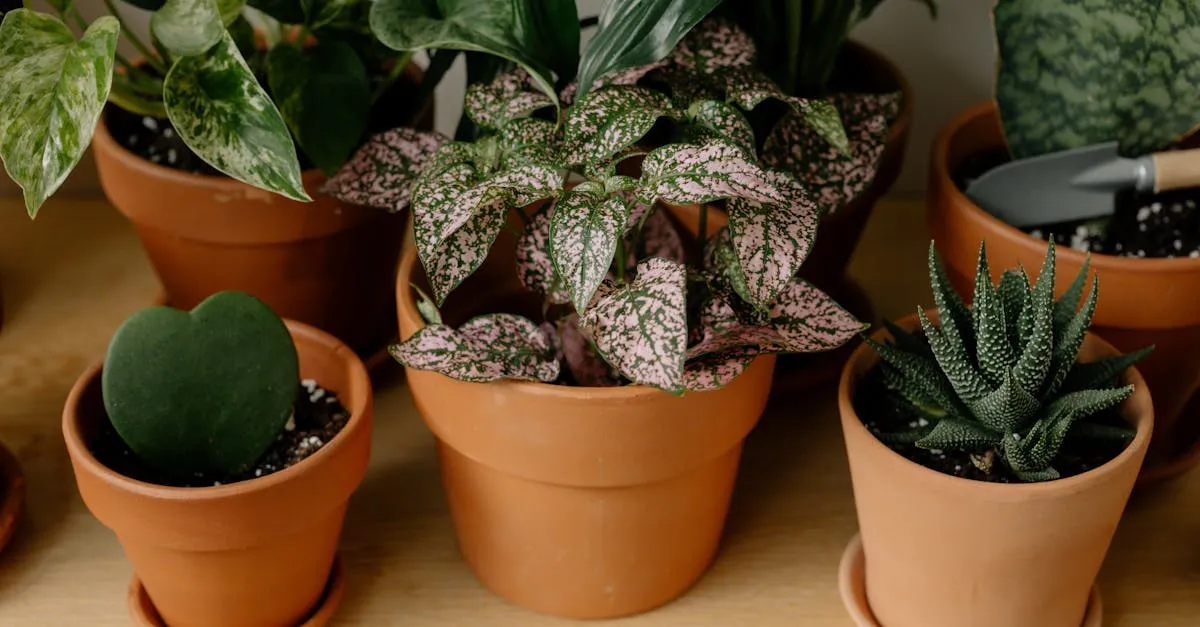
Most hoya plant varieties sold as houseplants want the same thing: bright indirect light, a chunky well-draining mix, and watering only when the soil dries out. The differences between named types are mostly cosmetic, and the steep prices you see on rare ones reflect scarcity and slow propagation, not harder care. Here are twelve worth growing, grouped by what actually sets them apart.
The easy, widely sold hoya plant varieties
Start here if you want a reliable plant rather than a collector’s piece.
Hoya carnosa. The classic wax plant: thick oval leaves, fast vining growth, and clusters of sweet-scented pink flowers once mature. It is forgiving and cheap, which makes it the best first hoya. See Hoya Carnosa Care for the full routine.
Hoya carnosa ‘Krimson Queen’ and ‘Krimson Princess’. The same plant as carnosa with variegation: Queen has cream leaf edges, Princess has cream centers. They grow slightly slower because variegated tissue produces less energy, but care is identical.
Hoya pubicalyx. Long pointed dark leaves often flecked with silver, and dramatic near-black or deep pink flower clusters. It grows quickly and tolerates neglect as well as carnosa does.
Hoya kerrii. Sold as a single heart-shaped leaf, the “sweetheart plant”. A lone leaf rarely grows into a vine because it has no node, so buy a cutting with a stem if you want a full plant. The Hoya Kerrii Care guide explains this trap in detail.
Varieties grown for unusual leaves
These cost a little more, but the higher price is about appearance and supply, not difficulty.
Hoya linearis. Soft, fuzzy, needle-thin leaves that hang in curtains. It is the one genuine exception on care: it prefers cooler temperatures and more humidity than other hoyas.
Hoya curtisii. Tiny spade-shaped leaves speckled with silver. It stays compact and trails slowly, which suits a small shelf.
Hoya retusa. Flat, grass-like leaves on a tangled trailing stem. It looks nothing like a typical hoya but grows the same way.
Hoya compacta (Hindu rope). Curled, crinkled leaves packed tightly along the stem, often variegated. The dense growth is slow and can hide pests, so check it when you water.
Varieties grown for their flowers
Every hoya can bloom indoors, but a few are worth choosing specifically for the show.
Hoya bella. Compact and bushy rather than vining, with clusters of white star flowers with purple centers. It blooms readily and young, which makes it rewarding.
Hoya obovata. Big round leaves and reliable, full pink flower umbels. It grows fast and flowers without much fuss once it has size.
Hoya lacunosa. Small leaves and intensely fragrant white flowers that smell strongest in the evening. It blooms more freely than most.
Hoya wayetii. Narrow leaves with reddish margins and reddish-brown flower clusters. Easy, steady, and a good middle ground between common and unusual.
If yours refuses to bloom, the cause is almost always too little light or too young a plant, not the variety. See Why Is My Hoya Not Flowering? for the fixes.
What rarity actually buys you
The hoya market has a strong collector side, and prices for variegated cuttings or hard-to-source species can run high. It is worth being clear about what that money buys: scarcity, not a better plant. Other houseplant genera have their own named variety rabbit holes; peace lily varieties is a good example of how much variety exists within one familiar species.
A rare hoya is not a harder hoya; it is simply one that fewer people have managed to propagate yet.
A $75 variegated cutting and a $12 carnosa want the same light, the same gritty mix, and the same restrained watering. Variegated types grow slower and scorch more easily, so if anything the expensive plant is slightly fussier. Buy the look you like, but do not assume price signals quality or that a common variety is a lesser plant.
How to choose one
Match the plant to your conditions, not to a wish list. For a bright windowsill and a first hoya, choose carnosa, pubicalyx, or obovata. For a shelf with limited space, curtisii or retusa stay small. For scent, pick lacunosa or bella. For a cooler, more humid room, linearis will reward you. All of them propagate easily from a stem cutting with a node, so one plant can become several: see How to Propagate Hoya from Cuttings.
Where to start your hoya collection
If this is your first hoya, buy one easy variety such as carnosa and learn its watering rhythm before adding anything rare, because the habits you build on a cheap plant are exactly the ones a $75 cutting will need. Spring and early summer are the best time to start, since that is when cuttings root fastest and an established plant is most likely to push out its first flower spur. Resist the urge to repot a healthy hoya straight away; they bloom better slightly root-bound, so leave it in its nursery pot until it is genuinely crowded.
Where to go next
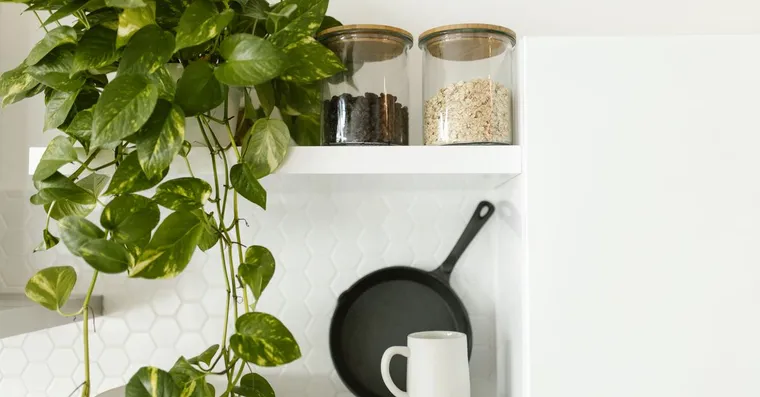
How to Grow Houseplants in Water, No Soil Needed
Which houseplants happily live in just water, how to keep them healthy long term, and the feeding and water changes that prevent rot.
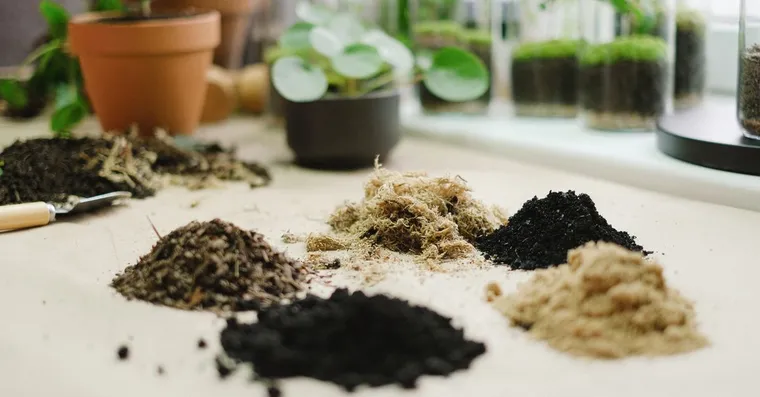
How to Build a Closed Terrarium That Lasts
A step by step guide to building a self sustaining closed terrarium, from drainage layers to choosing plants and avoiding the overwatering that kills most.
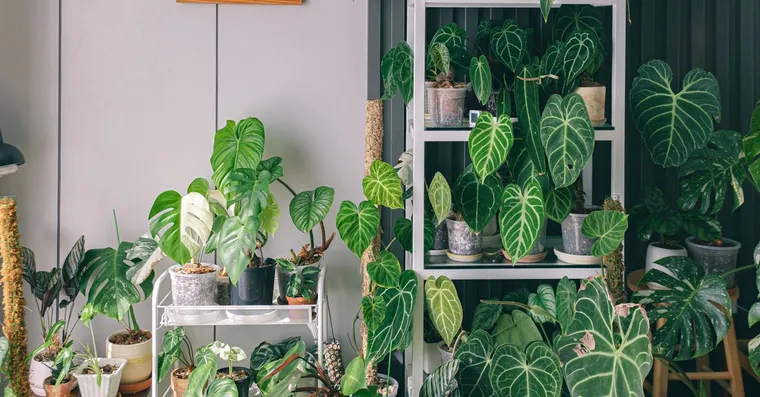
How to Display Houseplants: Shelves, Stands, and Corners
Practical ideas for displaying houseplants on shelves, stands, and in bare corners, grouping by height and pot so a collection looks intentional.
Not sure what plant you have? Identify it from a photo and we will point you at its care guide.