Black and Brown Spots on Hoya Leaves: Causes and Fixes
What black and brown spots on hoya leaves mean, how to tell sunburn from fungal disease, and the steps to stop them spreading.
Some links in this guide go to Amazon. As an Amazon Associate we earn from qualifying purchases, at no extra cost to you. How this works.
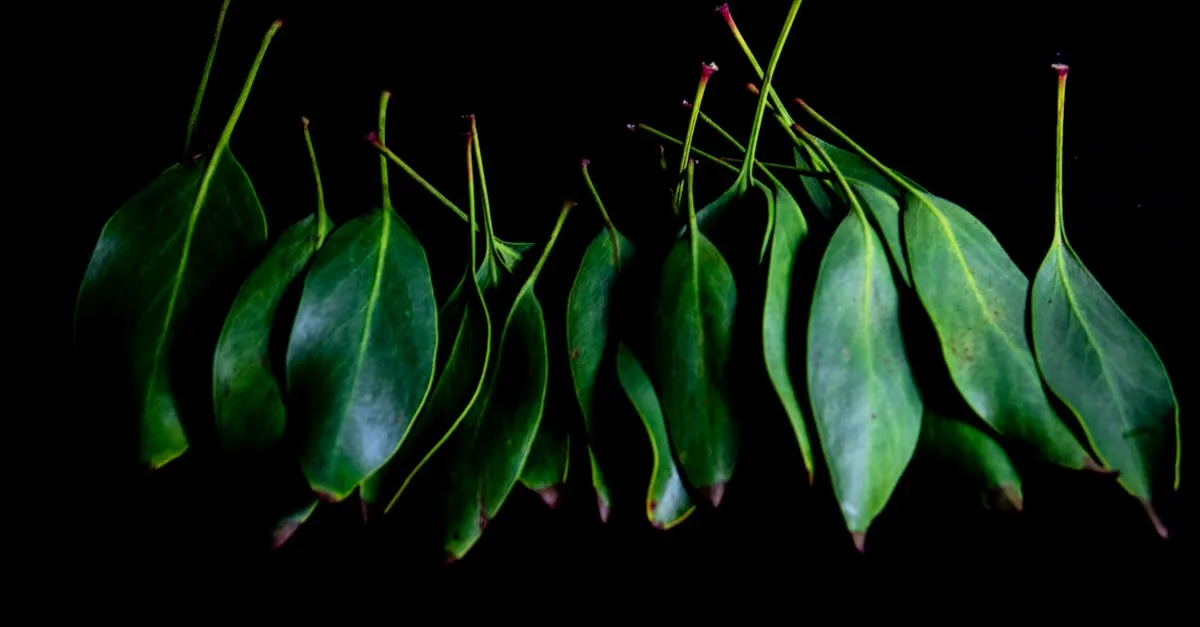
Spots on a hoya leaf are not all the same problem, and treating them as one leads to either panic or neglect. Some hoya black spots on leaves are old, harmless damage that will never spread, while others are a live infection that will move from leaf to leaf if you do nothing. The first job is not treatment. It is telling the two apart.
Quick answer
Watch a marked leaf for a week before treating anything. Spots that stay the same size and number are old damage from sunburn, cold, or physical injury, and they will never spread or need a spray. New spots appearing, old ones enlarging, or spots jumping to neighboring leaves mean a live fungal or bacterial infection: isolate the plant, cut off the worst leaves with clean scissors, and keep the foliage dry. A fungicide is a backup for a confirmed, spreading infection only, and it treats nothing if the leaves stay wet.
How to tell a spreading infection from old damage
Watch a marked leaf for a week before you reach for any spray. Static damage stays exactly the same size and the same number of spots. An infection produces new spots, enlarges old ones, or jumps to neighboring leaves.
The look of the spot matters too. Harmless damage tends to be dry, flat, evenly colored, and sharply edged. Active fungal or bacterial spots are often the opposite: a darker center with a yellow halo, a slightly soft or greasy feel, or rings within the spot. If a spot spreads when nothing about your care changed, treat it as live.
This article is about discrete spots and lesions. If whole leaves are turning evenly yellow instead, that is a different problem covered in Why Are My Hoya Leaves Turning Yellow or Dropping?.
The harmless causes, ranked by how often they fool people
Sunburn. A hoya moved suddenly into direct sun, or pressed against hot glass, scorches in patches. The marks are pale tan to brown, dry, and only on the side facing the light. They never spread. Move the plant back from the glass and leave the damaged leaves alone.
Cold or draft damage. A leaf touching a winter windowpane, or sitting in the path of an air conditioner, develops dark, water-soaked patches that later dry to brown or black. This looks alarming and is often mistaken for disease. It stops the moment the cold contact stops.
Old physical injury. A knock, a crease, or a healed pest bite leaves a permanent mark. If a spot has been the same for months, it is a scar, not a problem.
None of these need a fungicide. The damaged tissue will not recover, but the plant is fine.
When the spots are fungal or bacterial
If new spots keep appearing, you are dealing with an infection, and the conditions that allow it are nearly always the same: leaves staying wet, crowded plants with poor airflow, and water sitting in the crown overnight.
Isolate first. Move the plant away from your other hoyas and houseplants. This single step matters more than any spray, because it stops the spread while you work.
Remove the worst leaves. Cut off heavily spotted leaves with clean, sharp scissors, wiping the blades with isopropyl alcohol between cuts. Do not strip the plant bare. Removing a few of the worst leaves slows the infection; removing half the foliage stresses the plant further.
Fix the moisture. Water the soil, not the leaves. Stop misting. Improve airflow with a little space between plants or a gentle fan. Most leaf spot infections starve once the leaves stay dry.
A fungicide treats nothing if the leaves stay wet; dry leaves are the actual cure.
Only then consider a fungicide. This is where products are oversold. A copper-based fungicide can help a genuine, confirmed, spreading infection, and it works on both fungal and many bacterial spots. It will do nothing for sunburn or cold damage, and spraying a healthy plant “to be safe” is wasted effort. If you use one, follow the label and treat it as a backup to the moisture fix, not a substitute for it.
Watch for the harder case: soft, dark, mushy spreading that starts at the base or stems rather than the leaf edges. That points to rot rather than leaf spot, and it is covered in Root Rot: How to Identify, Treat, and Prevent It.
Preventing the next round of spots
Most leaf spot never returns once the growing conditions change. Keep your hoya in bright, indirect light, away from cold glass and heating or cooling vents. Water the soil and let the surface dry between waterings. Give plants room so air moves around the foliage, and keep the leaves clean and dry. The general principles are the same across hoyas, as covered in Hoya Carnosa Care: Growing the Wax Plant Indoors.
The seven-day watch is the real diagnosis
Before you change anything, mark a spotted leaf and look at it again in a week. If the spots have not grown or multiplied, you are looking at old damage and the leaf can simply be left alone. If they have, you have caught it early enough to isolate the plant and dry the leaves before the infection reaches the rest of the foliage.
Where to go next
Why Are My Hoya Leaves Turning Yellow or Dropping?
How to diagnose why your hoya is turning yellow or dropping leaves, from overwatering to light and cold, and how to fix it.
Why Is My Hoya Not Flowering? How to Get Blooms
The real reasons a hoya refuses to bloom, plus the light, age, and watering changes that actually trigger those waxy flower clusters.
Fungus Gnat Larvae: What They Look Like and How to Kill Them
Fungus gnat larvae live in the top few centimetres of soil and eat roots. Here is how to confirm you have them and the treatments that actually clear them.
Not sure what plant you have? Identify it from a photo and we will point you at its care guide.
Frequently asked questions
How do I tell if hoya black spots are spreading or old damage?
Mark a spotted leaf and look at it again in a week. Old damage stays exactly the same size and the same number of spots. An infection produces new spots, enlarges the ones already there, or jumps to neighboring leaves. The look helps too: harmless damage is dry, flat, evenly colored and sharply edged, while active fungal or bacterial spots have a darker center with a yellow halo, a slightly soft or greasy feel, or rings inside the spot.
What causes black spots on hoya leaves?
Three of the four causes are harmless. Sunburn leaves pale tan to brown dry marks, only on the side facing the light, on a plant moved suddenly into direct sun or pressed against hot glass. Cold or draft damage makes dark water-soaked patches that later dry to brown or black, and it stops the moment the cold contact stops. Old knocks and creases leave permanent scars. A fungal or bacterial infection is the fourth, and the only one that spreads.
Should I use a fungicide on hoya leaf spots?
Only for a confirmed, spreading infection, and only as a backup. A copper-based fungicide works on both fungal and many bacterial spots, but it does nothing for sunburn or cold damage, and spraying a healthy plant to be safe is wasted effort. It also treats nothing if the leaves stay wet. Water the soil rather than the foliage, stop misting, and improve airflow first, because dry leaves are the actual cure.
Will spotted hoya leaves recover?
No. Damaged tissue does not come back, so a spotted leaf stays spotted whether the cause was sunburn, cold, or an infection you have since stopped. That is not a reason to strip the plant. Removing a few of the worst leaves slows an active infection, but taking off half the foliage stresses it further. Leave old scars alone and judge recovery by whether new spots appear, not by whether the old ones fade.