Rubber Plant Benefits and Feng Shui Placement
The real benefits of keeping a rubber plant indoors, plus what feng shui and vastu say about placement, including the south-east corner wealth position.
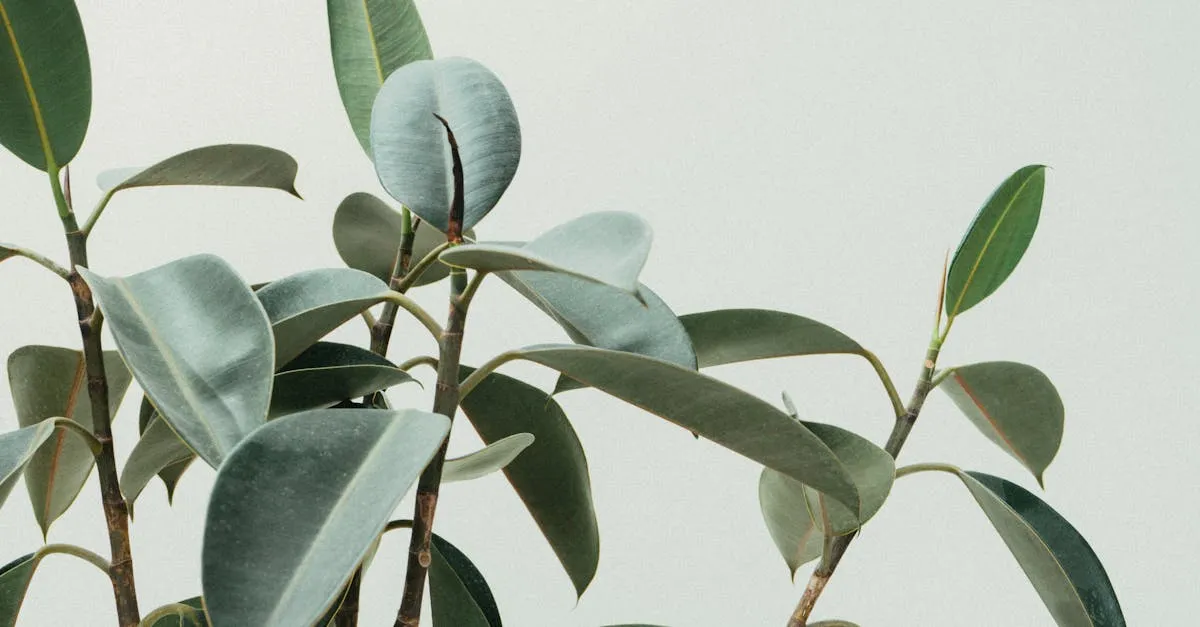
The rubber plant earns its place in most homes for one simple reason: it looks impressive while asking for very little. Most discussion of rubber plant benefits mixes two different things, the genuine practical advantages of a tough, handsome plant, and the symbolic meaning given to it by feng shui and vastu traditions. Both are worth knowing, as long as you keep them honest and separate.
Quick answer
A rubber plant is worth keeping for its looks and easy temperament, not for air purification: in a normal, ventilated room one plant will not detectably change your air quality. In feng shui it is associated with wealth and abundance, usually placed near the entrance or in the south-east wealth corner, and vastu gives similar guidance. There is no measurable evidence that placement affects your finances, so give the plant bright, indirect light and a draft-free spot first, then let tradition guide you among the positions that work.
The practical rubber plant benefits
These are the benefits you can actually count on.
A striking, low-effort statement plant. A rubber plant (Ficus elastica) gives you large, glossy, deep green leaves and real vertical presence with minimal fuss. It tolerates a normal indoor routine, copes with a missed watering, and grows into a proper indoor tree over years. For the visual payoff, the workload is small. See our rubber plant care guide for the specifics.
A calmer, more pleasant room. Caring for a plant, and simply having greenery in view, is associated with lower stress and a more restful space. The effect is modest but real, and a large-leaved plant like this delivers it well. We cover the evidence in can houseplants reduce stress?
Minor air contact with dust. Those broad leaves catch household dust, which you can wipe off. That is genuinely useful for keeping the plant healthy and the leaves shining, and it is covered in how to clean houseplant leaves.
What the air-purifying claim really means
You will often see the rubber plant sold as an air purifier. This traces back to a 1989 NASA experiment that tested plants in sealed laboratory chambers. In a normal, ventilated room, the number of plants needed to measurably clean the air is impractically large. One rubber plant in a living room will not detectably change your air quality.
That does not make it a bad plant. It just means you should choose it for its looks and easy temperament, not for filtration. The fuller explanation is in do houseplants actually purify the air?
One genuine caution: the milky sap is mildly toxic if chewed and can irritate skin. Keep it away from curious pets and small children, and check pet-safe houseplants if that matters in your home.
Feng shui and vastu placement
In feng shui, the rubber plant is associated with wealth and abundance, partly because its rounded leaves are read as a symbol of prosperity and growth. The usual advice is to place it near the entrance or in the wealth area, often the south-east corner of a room or home, where it is said to invite money energy. Vastu shastra offers similar guidance, frequently suggesting an east, south-east, or south-facing position and discouraging it in the north-east. Other climbing and trailing plants carry their own feng shui associations; the hoya plant’s symbolism and placement guidance follows a similar framework of fortune and positive energy.
It is worth being clear about what this is. There is no measurable evidence that plant placement affects your finances or fortune. These traditions are about intention and attention: choosing a spot deliberately, and tending something living there. That can be a meaningful ritual, but treat it as one.
Put the plant where it will actually thrive first, then let any tradition guide you among the spots that work.
A corner that suits feng shui but sits in deep shade will give you a sad, leggy plant. Match symbolism to a position that also offers bright, indirect light and steady warmth.
Choosing a spot that works
Rank these practical needs above any placement chart:
- Light. Bright, indirect light keeps growth dense and color strong. Variegated types need more light than plain green ones.
- Stability. Rubber plants dislike being moved and react to sudden change by dropping leaves, as explained in why is my rubber plant dropping leaves? Pick a spot you can commit to.
- Away from drafts. Keep it clear of doorways, heating vents, and cold windows.
- Room to grow. It can reach the ceiling indoors, so give it height and space rather than a cramped shelf.
If a feng shui or vastu position happens to meet all four, you lose nothing by following the tradition.
Letting light win the placement decision
When the wealth corner and a bright, draft-free spot happen to be the same place, follow the tradition and enjoy it; when they conflict, give the plant the light and let the symbolism wait. The mistake that costs more rubber plants than any other is shuffling them from corner to corner chasing an ideal position, since every move risks a fresh round of dropped leaves. Commit to one good spot early, wipe the leaves down now and then, and you will have a handsome indoor tree for years.
Where to go next
Snake Plant Benefits, Bedroom Air, and Feng Shui Meaning
Snake plants get credit for cleaning air, releasing oxygen at night, and bringing good feng shui; here is what holds up and what is overstated.
Pothos Plant Benefits: Air Quality, Feng Shui, and More
What pothos actually does for your home, covering air purifying claims, low effort greenery, and its place in feng shui, with an honest take.
Houseplants and Vastu: Where to Place Plants for Good Energy
A plain guide to placing houseplants by Vastu Shastra, which directions and rooms it favours, with an honest note on what the tradition actually promises.
Not sure what plant you have? Identify it from a photo and we will point you at its care guide.
Frequently asked questions
Do rubber plants purify the air?
Not in any way you would notice. The claim traces back to a 1989 NASA experiment that tested plants in sealed laboratory chambers, and in a normal ventilated room the number of plants needed to measurably clean the air is impractically large. One rubber plant in a living room will not detectably change your air quality. That does not make it a bad plant. It means you should choose it for its looks and easy temperament rather than for filtration.
Where should I place a rubber plant for feng shui?
Feng shui associates it with wealth and abundance, partly because the rounded leaves read as a symbol of prosperity, and places it near the entrance or in the wealth area, often the south-east corner. Vastu suggests an east, south-east or south-facing position and discourages the north-east. Be clear about what this is: there is no measurable evidence that placement affects your finances. Put the plant where it will actually thrive first, then let tradition choose among the spots that work.
What are the real benefits of a rubber plant?
Three, and none of them is air purification. It is a striking, low-effort statement plant: large, glossy, deep green leaves and real vertical presence for a small workload, growing into a proper indoor tree over years. Greenery in view is associated with lower stress and a more restful room, an effect that is modest but real. And the broad leaves catch household dust, which you can simply wipe off.
What does a rubber plant need to thrive indoors?
Four things, and they outrank any placement chart. Bright indirect light, with more of it for variegated types than plain green ones. A spot you can commit to, because rubber plants dislike being moved and answer sudden change by dropping leaves. Distance from doorways, heating vents and cold windows. And room to grow, since it can reach the ceiling indoors, so give it height rather than a cramped shelf.
Sources
- Wolverton, B. C., Johnson, A. & Bounds, K. (1989). Interior Landscape Plants for Indoor Air Pollution Abatement. NASA Technical Memorandum, John C. Stennis Space Center.
- Cummings, B. E. & Waring, M. S. (2020). Potted plants do not improve indoor air quality: a review and analysis of reported VOC removal efficiencies. Journal of Exposure Science & Environmental Epidemiology, 30, 253-261.