Why Is My Rubber Plant Dropping Leaves?
Why a rubber plant drops leaves after a move, cold draft, or watering mistake, and how to stop the loss. Most plants stabilize within three to four weeks.
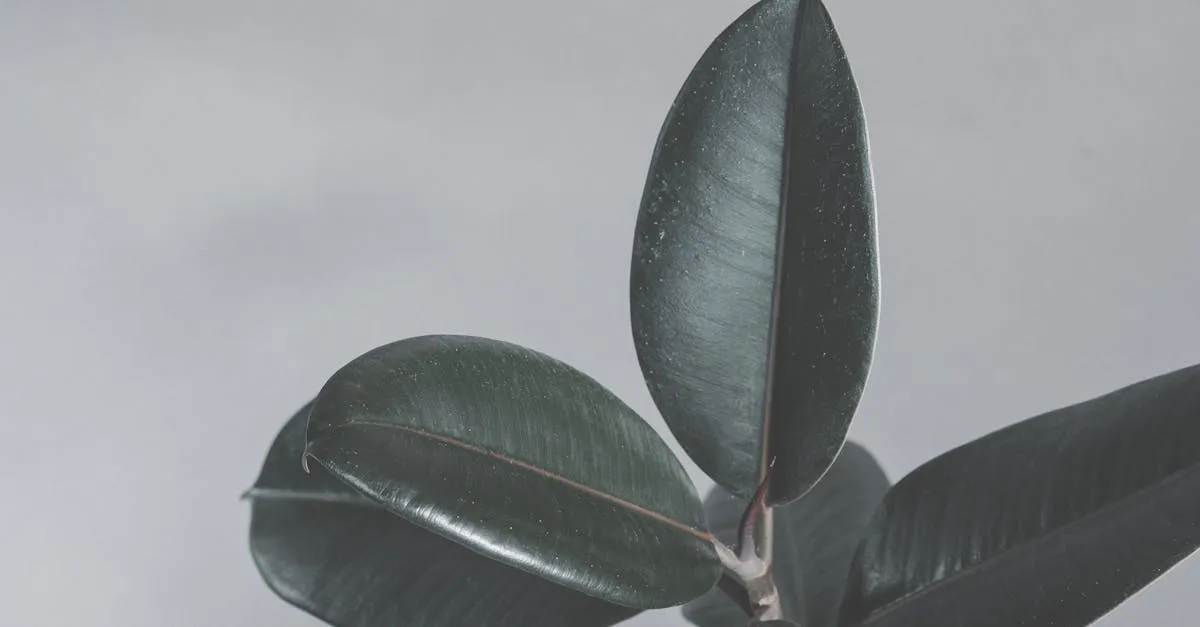
A rubber plant dropping leaves is one of the most common complaints with this plant, and the cause is usually simpler than it looks. The honest answer: losing a few lower leaves now and then is normal, but sudden, widespread leaf drop means something in the plant’s environment has changed for the worse. Your job is to work out which change it was.
What normal leaf loss looks like
Rubber plants (Ficus elastica) shed older leaves as they grow. A leaf at the base that yellows slowly and drops, while the rest of the plant looks healthy and is pushing new growth from the top, is nothing to worry about. The plant is simply moving energy upward.
The warning sign is scale and speed. If several leaves drop within a few days, if they fall while still green, or if leaves from the middle and top of the plant are going too, that is stress, not aging. The sections below cover the causes in the order you are most likely to encounter them.
Relocation stress: the most common reason
Ficus elastica dislikes change. Bringing a new plant home, moving it to a different room, or even turning the pot can trigger leaf drop within a week or two. The plant has acclimatized its leaves to one set of light conditions, and when that changes, it sheds the leaves it can no longer support.
This looks alarming but is rarely fatal. Pick a spot with bright, indirect light, and then leave the plant alone. Do not move it again to “help” it. Resist the urge to repot or fertilize a stressed plant; you are adding more change. Most rubber plants stabilize within three to four weeks and begin growing new leaves once they have adjusted.
A rubber plant that has just moved house wants one thing from you: to be left in one place.
Cold drafts and temperature swings
Rubber plants are sensitive to cold. A leaf sitting against a winter windowpane, a position near an exterior door, or the path of an air-conditioning vent can all cause leaves to drop, often suddenly and often the ones nearest the cold source.
Keep your plant away from drafts, unheated porches, and heating vents that blast hot dry air. They are comfortable in normal room temperatures, roughly 60 to 75°F (16 to 24°C), meaning ordinary living-room warmth; avoid letting them sit below about 55°F (12°C). If leaf drop started when the weather turned or the heating came on, temperature is your most likely culprit.
Watering problems behind sudden mass leaf drop
When a rubber plant drops many leaves at once, watering is usually involved. The two failure modes look different once you check.
Overwatering. Soil that stays wet suffocates the roots. Leaves yellow, feel soft, and drop, and the trouble often starts at the bottom. Check the soil: if it is still damp a couple of inches (several cm) down days after watering, you are watering too often. Persistent wet soil leads to root rot, which is the real danger here. If you suspect you have gone too far, work through how to save an overwatered plant.
Underwatering. Soil that dries out completely makes leaves go limp, curl slightly, and drop while looking dry rather than soft. This is easier to fix: water thoroughly, let the excess drain away, and get back on a regular schedule.
The reliable rule is to water only when the top 1 to 2 inches (3 to 5 cm) of soil feel dry, then water until it runs from the drainage hole. A pot with no drainage hole is a frequent hidden cause of overwatering. For a fuller routine, see the rubber plant care guide.
Other causes worth ruling out
If location, temperature, and watering all check out, look at these.
Low light. A rubber plant in a dim corner cannot sustain all its leaves and will gradually thin out. Move it somewhere brighter, but do it once and then leave it.
Pests. Check the undersides of leaves and the stem joints for mealybugs or scale. A heavy infestation drains the plant and causes leaf loss.
Shock from repotting. If you recently repotted, some leaf drop is the same relocation stress in another form. Give it time rather than intervening further.
Track the pattern before you change anything
The single most useful habit is to note which leaves are dropping and when it started, because the pattern points straight to the cause: bottom leaves slowly equals aging, sudden green leaves equals a recent change in light, temperature, or water. Fix the one thing that changed and then sit on your hands, since the common mistake is reacting to leaf drop with more disruption like repotting, feeding, or relocating. You will know you have got it right when fresh leaves start unfurling at the top, usually within a month of the plant settling.
Where to go next
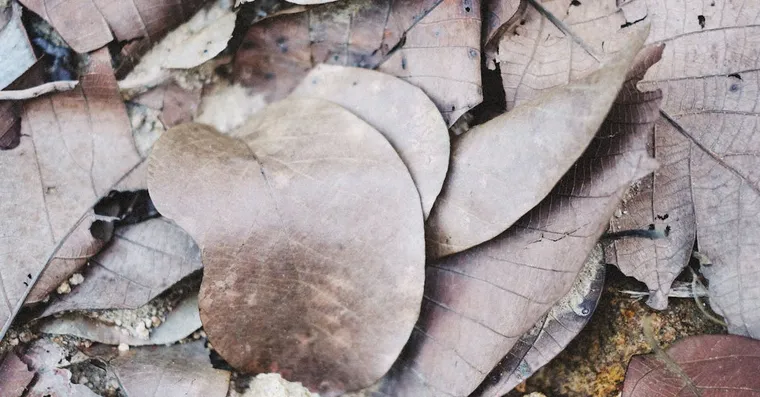
Why Is My Houseplant Dropping Leaves?
A diagnostic guide to houseplant leaf drop, from normal shedding and shock to watering, light, cold, and pests, with how to work out which it is.
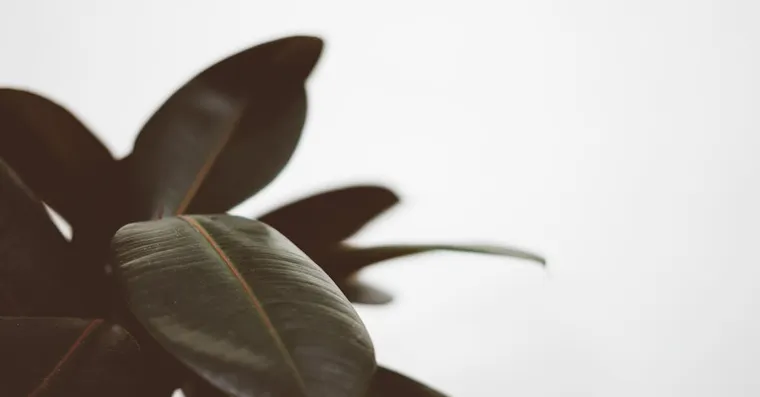
Rubber Plant Care: Growing Ficus Elastica Indoors
How to grow a healthy rubber plant indoors, covering light, watering, humidity, and the pruning that keeps ficus elastica from getting leggy.
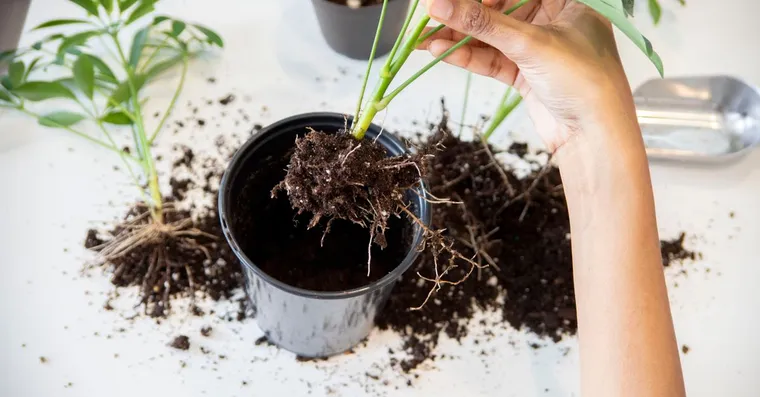
What Does Root Rot Look Like? Signs at Every Stage
Root rot is diagnosed at the roots, not the leaves. Here is what healthy and rotting roots look like, and which above-ground signs point to it.
Not sure what plant you have? Identify it from a photo and we will point you at its care guide.