Why Is My Houseplant Dropping Leaves?
A diagnostic guide to houseplant leaf drop, from normal shedding and shock to watering, light, cold, and pests, with how to work out which it is.
Some links in this guide go to Amazon. As an Amazon Associate we earn from qualifying purchases, at no extra cost to you. How this works.
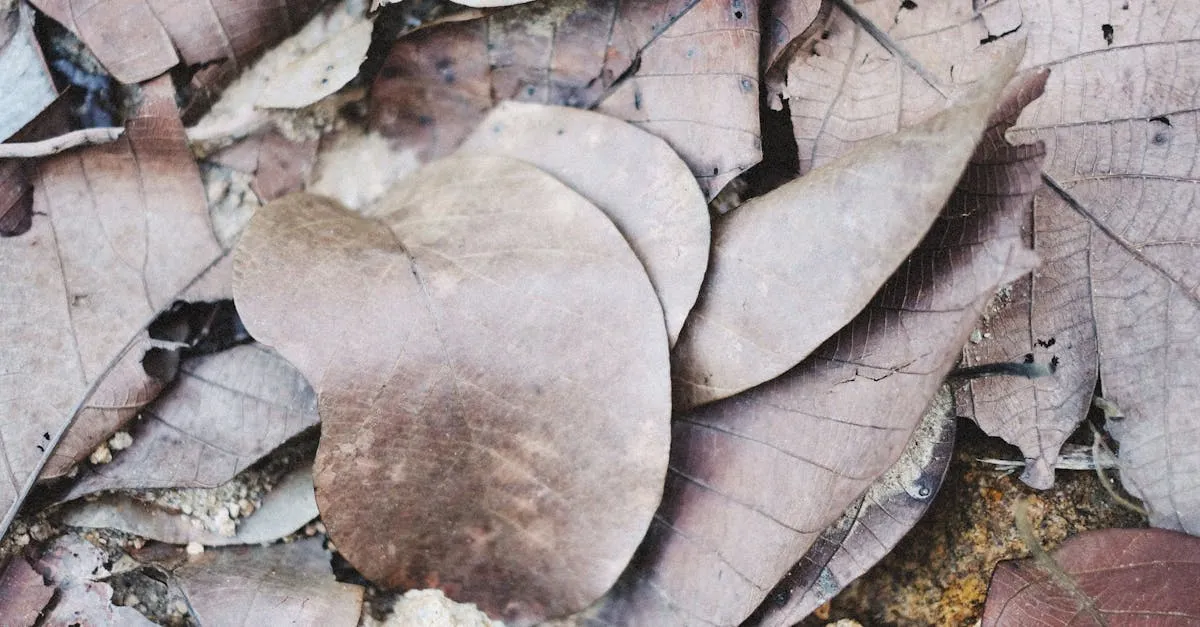
A houseplant dropping leaves is almost always reacting to a recent change rather than slowly dying. The cause is usually something that moved, something you watered, or a shift in the room environment, not a nutrient deficiency you can fertilize away. Your job is to find the change, not reach for plant food or a bigger pot.
Dropping versus drooping: two different problems
If leaves are still attached but hanging limp or wilted, that is drooping and a separate issue covered in why houseplant leaves droop. This article is about leaves that physically detach and fall from the plant entirely. The causes, patterns, and fixes differ enough to matter, so make sure you are reading the right one.
Step zero: check the soil before anything else
Push a finger 3/4 inch (2 cm) into the compost before you read any other pattern. Wet and cold several days after watering means roots are sitting in too much moisture. Bone dry with soil pulling away from the pot edge means the plant is severely dehydrated. Moist and normal means look at light, temperature, and any recent change in the plant’s position or routine. That single touch narrows the likely cause before you count fallen leaves or guess at timing.
Decision matrix: pattern, location, and texture
Four patterns cover nearly every case of leaf drop. Match yours before you act.
Lower or oldest leaves only, gradual, yellow before falling. The plant is retiring foliage it can no longer support, or it is not getting enough light to maintain its full canopy. This process is slow and rarely dramatic. Move the plant slightly closer to a window or add a grow light. There is no emergency here.
Many leaves at once, green and firm when they fall. This is shock. Something changed quickly: a cold draft, a blast of heat, a move to a new room, or a single cold night with the plant touching the glass. Firm green leaves do not yellow first; they simply release. Find what changed in the last two to three days, not the last two weeks.
New and old leaves falling together, soil wet or smelling sour. Both ends of the canopy dropping at the same time is a root signal. Rotting roots cannot move water or nutrients, so the plant cuts losses simultaneously at top and bottom. Wet, smelly soil days after watering confirms overwatering. The window for action is short; check the roots now.
Crispy from the tips inward, soil pulling away from the pot edge. The plant is dehydrated or the air around it is very dry. Water thoroughly until it drains from the base, and do not assume adding fertilizer will compensate. Low humidity makes this worse, especially near heat sources.
Find the recent change before you reach for fertilizer or a bigger pot.
“It just moved home”: acclimation is the leading cause in new plants
Shops and nurseries maintain near-perfect conditions: steady warmth, high humidity, and bright, consistent light. Your home is dimmer and drier, and the difference is often sharper than it appears. When a plant arrives, it reassesses which leaves it can actually sustain, and the ones that no longer pay their way come off first.
Ten to twenty leaves dropping in the first one to three weeks is common and is not a sign the plant is dying. The most important thing here is the do-not list: do not repot it, do not fertilize it, and do not move it to a different spot. Each of those actions layers a fresh stressor on top of the one the plant is already managing. The right response is steady, consistent watering and four to six weeks of stillness. Lucy Liu, at her London nursery, calls this her golden rule for new arrivals: hold your routine steady and resist the urge to troubleshoot. Moving the plant between windows and swinging between dry and wet soil only compounds the shock it is already managing. A healthy plant generally needs 3 to 4 weeks to adjust to a home’s lower light and humidity; if leaves are still dropping at week five, that is the moment to consider whether the permanent spot needs reconsidering. See acclimating new houseplants for the full process. If the drop started shortly after a repot rather than a purchase, repotting shock covers that specific pattern.
Seasonal shedding and low light: the do-nothing cases
Some plants, ficus and rubber plants being the clearest examples, naturally shed lower leaves in autumn and winter as light levels fall. The plant is downsizing its canopy to match the energy it can actually produce in shorter, darker days. This is self-management, not failure.
Signs it is seasonal: October to February, only the lower and inner leaves are affected, new growth at the top looks healthy, and watering and root condition are normal. The right response is nothing drastic. Move the plant a little closer to a window if you can, but do not repot or fertilize in response to the drop. Radiators accelerate this process by throwing dry, warm air across the leaves. If your plant sits near a heat source, read the houseplant humidity guide and consider a pebble tray or small humidifier nearby.
Root rot: when new and old leaves fall together with wet soil
If both new leaves at the tips and old leaves lower down are dropping at the same time, and the soil smells sour or stays wet days after your last watering, the roots may be rotting. Rotting roots cannot transport water or nutrients up to the canopy, so the plant sheds from both ends simultaneously. This has a short window. Read overwatering versus underwatering to confirm the pattern, then follow the root rot treatment guide to inspect and trim the roots before the damage spreads further.
Cold drafts, heat blasts, and temperature swings
Firm, green, otherwise healthy-looking leaves that fall without yellowing first usually point to a temperature event: a cold draft from a gap in the window frame, a night with the plant touching cold glass, or the dry heat from a nearby radiator. Tropical plants are most vulnerable to these swings. See cold damage on houseplants for the signs and the steps to help the plant recover.
Pests very rarely cause primary leaf drop. If you have ruled out everything above, check the undersides of leaves and stem joints for webbing, stickiness, or tiny moving specks, and treat any infestation accordingly. Unusual bumps or blisters on the leaf surface are a separate problem; see edema on houseplant leaves if that is what you are seeing.
Fix the trigger, then leave the plant alone
The single mistake that turns a recoverable plant into a dying one is stacking fixes: repotting, feeding, and relocating all at once because the drop feels urgent. Remove the one thing that changed, hold your watering steady, and mark the calendar. A drop that is tapering off by the second or third week means you found the cause; leaves still falling at week five is your signal to question the spot itself rather than reach for another intervention.
Where to go next
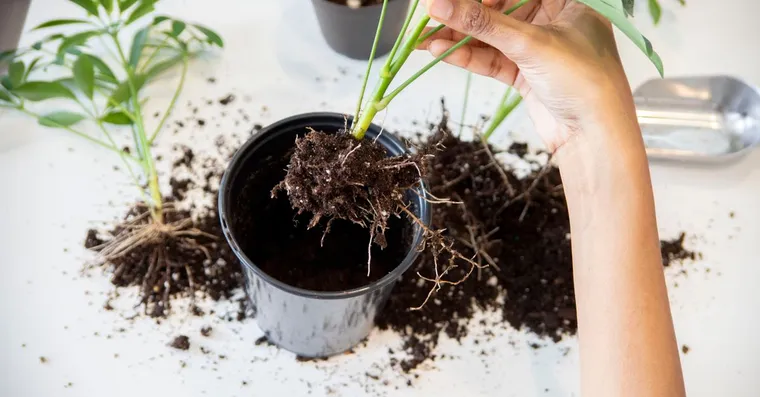
What Does Root Rot Look Like? Signs at Every Stage
Root rot is diagnosed at the roots, not the leaves. Here is what healthy and rotting roots look like, and which above-ground signs point to it.
Why Is My Houseplant Not Growing?
Why a houseplant stops growing, when a pause is perfectly normal, and the handful of changes that get a stalled plant moving again.
Why Are My Hoya Leaves Turning Yellow or Dropping?
How to diagnose why your hoya is turning yellow or dropping leaves, from overwatering to light and cold, and how to fix it.
Not sure what plant you have? Identify it from a photo and we will point you at its care guide.
Frequently asked questions
Is it normal for a houseplant to drop leaves after you buy it?
Yes. Shops keep near-perfect humidity, temperature, and light. Your home is dimmer and drier, so the plant sheds leaves it can no longer support. Ten to twenty leaves in the first one to three weeks is common and not a sign the plant is dying. Water steadily, avoid moving it again, and give it four to six weeks to settle.
Why is my plant dropping leaves suddenly with no warning?
Sudden drop of firm, green leaves almost always means shock: a cold draft, a blast of heat from a radiator, a recent move to a new spot, or a sudden swing in watering. Look for what changed in the last few days rather than adding fertilizer or changing your watering routine.
Should I repot a plant that is dropping leaves?
No. Repotting adds another stressor to a plant that is already under stress. The only exception is confirmed root rot, where removing the dead roots is necessary. In every other case, wait until the drop stops and the plant is stable, then repot in the next growing season.