Cold Damage on Houseplants: Signs and How to Save a Chilled Plant
How to spot cold damage on houseplants, from blackened leaves to sudden drop, and the steps that give a chilled plant its best chance.
Some links in this guide go to Amazon. As an Amazon Associate we earn from qualifying purchases, at no extra cost to you. How this works.
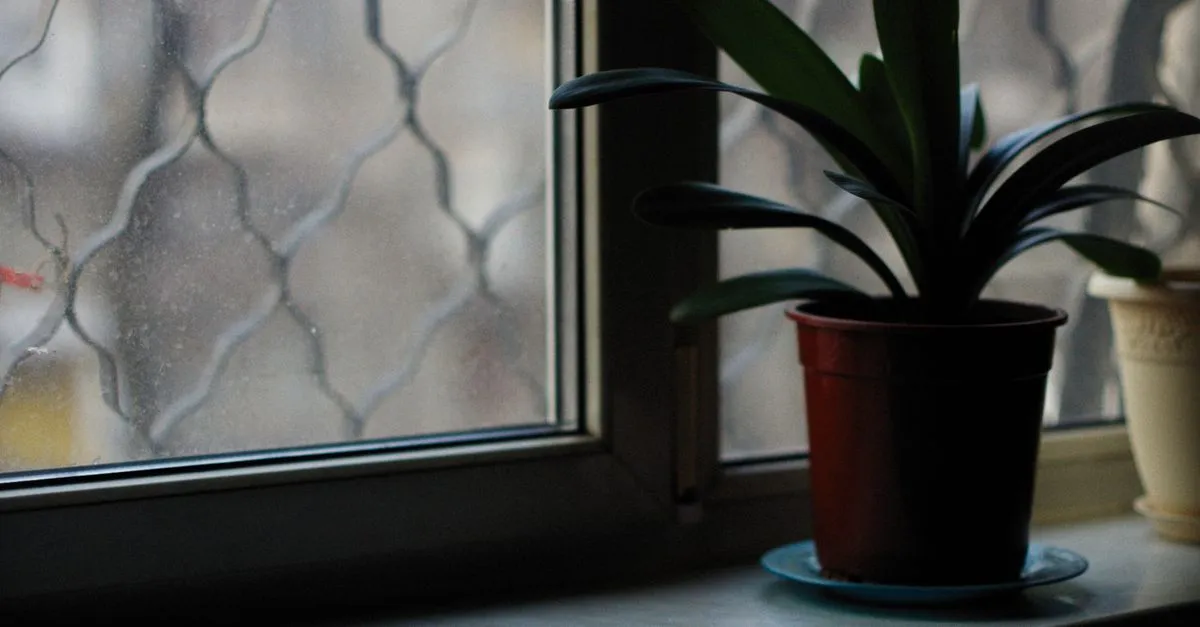
Cold damage on houseplants usually shows up fast: a plant that looked fine before a frosty night or a chilly courier van turns up with limp, blackening leaves the next morning. The honest answer is that tissue which actually froze will not green back up, so part of the plant may be lost. What you can often save is the rest of it, as long as you resist the urge to fuss, water, or prune straight away.
Quick answer
Cold damage shows up fast, within hours to a couple of days of the cold event. Look for mushy, blackened patches where frozen cells have burst, sudden drop of still-green leaves, translucent or glassy tissue, or milder curling and a dull cast, which carries the best odds of full recovery. Tissue that actually froze will not green back up. Move the plant somewhere stable and frost-free but not against a hot radiator, do not water unless the soil is genuinely dry a couple of inches (several cm) down, skip feeding and repotting for several weeks, and give it bright, indirect light. Wait at least a week, ideally two, before pruning anything, because damage often keeps spreading for a few days and cutting early removes tissue that is still feeding the plant. Most houseplants suffer below roughly 50 to 55°F (10 to 12°C), well before actual frost.
How to spot cold damage on houseplants
The signs are distinctive once you know them, and they appear within hours to a couple of days of the cold event. Ranked from most telling to least:
Mushy, blackened patches. The clearest sign. Frozen cells burst, so the damaged tissue turns dark brown or black, goes soft and water-soaked, and may feel slimy. This is most common on leaf edges, the tips, and the side that faced a cold window or door.
Sudden leaf drop. A plant that drops several leaves at once after a cold snap, often still green, is reacting to the shock. Tropical plants like fiddle leaf figs, crotons, and calatheas do this readily.
Translucent or glassy leaves. Chilled but not fully frozen tissue can look pale, see-through, or silvery, almost like it has been soaked. It often darkens over the following days.
Curling, drooping, and a dull cast. Milder cold stress shows as limp, curled foliage and a loss of the usual sheen, without the blackening. These plants have the best odds of full recovery.
Cold damage is easy to confuse with overwatering, since both produce soft, dark tissue. The giveaway is timing and pattern: cold damage appears suddenly, follows a known cold event, and hits the exposed side first. If you are unsure, read overwatering vs underwatering to rule the watering causes in or out.
What to do first
Work gently. A chilled plant is already stressed, and sudden changes make it worse.
Move it somewhere stable and frost-free. Get it away from the cold window, drafty door, or unheated room. Aim for a steady spot around normal room temperature, but not pressed against a hot radiator. A swing from freezing to roasting is its own shock.
Do not water yet. Damaged roots and cold, wet compost are a fast route to rot. Cold-stressed plants use very little water, so check the soil and only water if it is genuinely dry a couple of inches (several cm) down. Hold off otherwise.
Skip the feeding and repotting. Fertilizer pushes growth the plant cannot support right now, and repotting disturbs roots it needs to recover. Leave both for several weeks.
Give it modest light and patience. Bright, indirect light helps, but no harsh midday sun on damaged tissue. Then wait.
The kindest thing you can do for a chilled plant in the first week is almost nothing.
When to wait, and when to prune
This is where most people go wrong. Blackened leaves look alarming, so the instinct is to cut everything off at once. Don’t.
Wait at least a week, ideally two, before removing anything. Damage often keeps spreading for a few days, and some leaves that look half-gone will hold on and keep feeding the plant. Cutting too early removes tissue that was still helping, and every cut is a fresh wound on an already weakened plant.
Once new growth appears or the damage has clearly stopped advancing, prune away the parts that are fully mushy, black, or dried to a crisp. Use clean snips and cut back to healthy tissue. For soft stems that have gone to mush, follow the stem down until you reach firm, green material. If the main stem is soft and dark all the way down, that section will not come back. See how to prune houseplants for cutting cleanly.
Why cold damage happens, and how to prevent it
Most houseplants are tropical or subtropical and suffer below roughly 50 to 55°F (10 to 12°C), well before actual frost. The usual culprits are a leaf touching a cold winter pane, a drafty doorway, an unheated conservatory, or a parcel left in a freezing van during winter delivery. Buying plants online in cold months carries real risk, so check buying houseplants online before you order, and keep new arrivals away from windows while they settle.
Let the plant show you what survived
Resist judging the outcome for two weeks, because a chilled plant needs that window to mark out which tissue is truly dead and which is only sulking. Heading into autumn and winter, the cheaper move is prevention: shift anything tender a hand’s width back from cold panes before the first frost, and check the forecast before accepting a winter delivery. A plant that sheds a few leaves but keeps firm, green stems is one that will almost certainly come back.
Where to go next
Fungus Gnat Larvae: What They Look Like and How to Kill Them
Fungus gnat larvae live in the top few centimetres of soil and eat roots. Here is how to confirm you have them and the treatments that actually clear them.
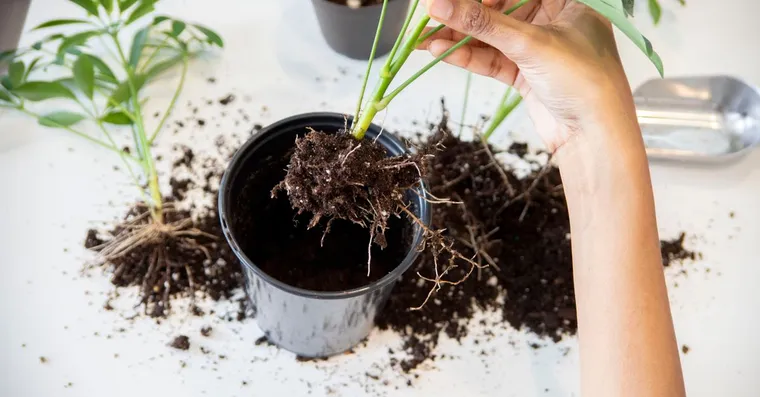
What Does Root Rot Look Like? Signs at Every Stage
Root rot is diagnosed at the roots, not the leaves. Here is what healthy and rotting roots look like, and which above-ground signs point to it.
Why Is My Monstera Turning Yellow? Causes and Fixes
Yellow leaves on a monstera usually mean a watering problem, but light, feeding, and age all matter; here is how to tell them apart.
Not sure what plant you have? Identify it from a photo and we will point you at its care guide.