Buying Houseplants Online: What to Expect and How to Avoid Trouble
How to buy houseplants online safely, what really arrives in the box, how to unbox and settle a mail-order plant, and when shipping a plant is a bad idea.
Some links in this guide go to Amazon. As an Amazon Associate we earn from qualifying purchases, at no extra cost to you. How this works.
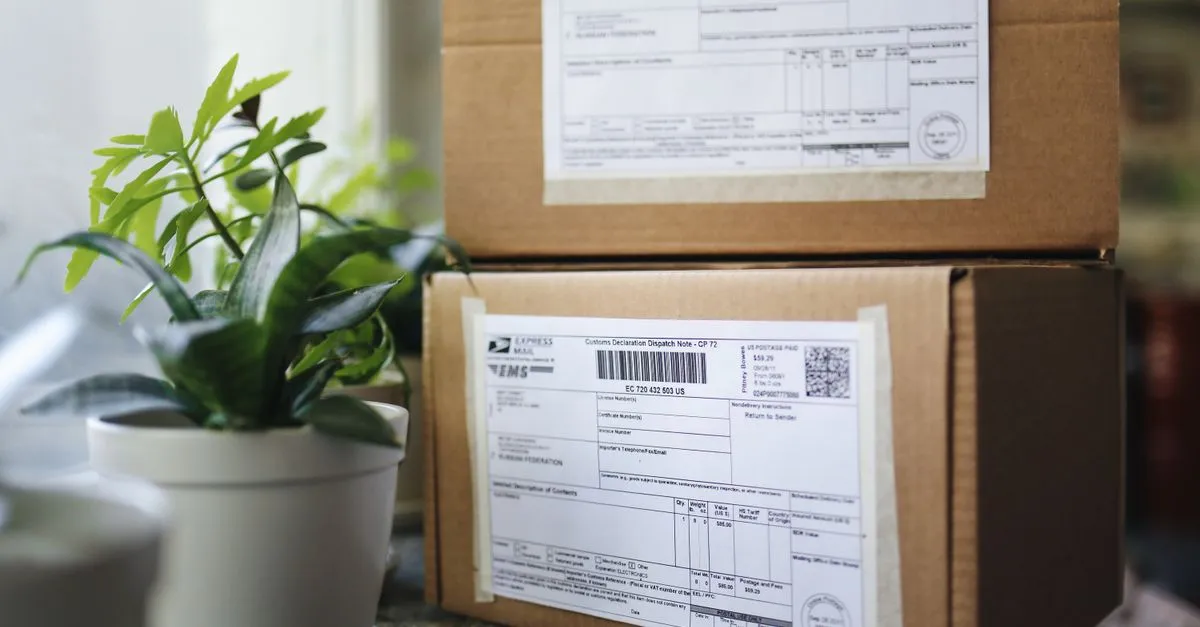
Buying houseplants online works, but it asks you to trade one thing for another: you give up the chance to inspect a plant in person in return for far more choice and the convenience of delivery. The plant that arrives will almost always look smaller and rougher than the listing photo, and that is normal rather than a sign you have been cheated. Knowing what is reasonable to expect is what keeps a good order from feeling like a bad one.
What actually arrives in the box
Mail-order plants come packed for travel, not for display, so set your expectations against that.
Smaller than the photo. Listing images often show a mature, well-grown specimen. What ships is usually a younger, cheaper-to-post plant. Read the stated pot size or height in inches rather than trusting the picture.
Bare-root or in a plug. To save weight and avoid spilled soil, many sellers post plants with the soil shaken off the roots, or in a small plug of growing medium. This is standard and the plant will recover once potted.
A few crushed or yellowed leaves. After several days in a dark box, the odd leaf will yellow, crease, or drop. The plant has been respiring in the dark with no light. A couple of tired leaves is expected, not a fault.
How to choose a seller when buying plants online
The seller matters more than the plant. Judge them in this order.
Reviews that mention arrival condition. Look past the star rating for comments about how plants turned up and how the seller handled problems. A shop that replaces damaged orders without a fight is worth paying more for.
A live-arrival guarantee. This is the single most useful protection. It means that if the plant arrives dead or badly damaged, you get a refund or replacement. Read what it actually requires, such as unboxing photos within 24 hours.
Clear sizing and a real photo. Specific pot sizes and heights, and a photo of the grade you will receive, signal an honest listing.
Heat packs in cold weather. In winter, a good seller adds a heat pack and may hold shipping until a milder week. If they ship tropicals through a freeze with no protection, shop elsewhere.
Unboxing and the first week or two
Open the box the day it arrives, even if you cannot deal with the plant fully. Plants left sealed in the dark keep deteriorating.
Unwrap and let it breathe. Remove the packaging, brush off loose debris, and stand the plant somewhere it can air out. Snip off any leaves that are fully mushy or dead, but leave anything merely tired.
Do not repot or fertilize straight away. The plant is already stressed from transit. New soil and feed now add more stress, not less. Pot a bare-root plant into a holding pot if it needs stabilizing, then leave it.
Water lightly. Give it a modest drink if the medium is dry. Do not soak it, especially if the roots have been disturbed.
Give it a sheltered, bright spot. Keep it out of direct sun and drafts for a week or two while it settles. This recovery period is the same one any new plant needs, covered in acclimating a new houseplant. Because you cannot inspect an online plant for pests before it enters your home, this is also the moment to quarantine it away from your collection.
Judge a mail-order plant by how it grows over the next month, not by how it looks the hour it arrives.
When to hold off on an order
Sometimes the right move is to wait rather than risk the plant.
A frost or heatwave in transit. Extreme cold or heat in the carrier’s network will damage tropical plants regardless of packaging. Check the forecast along the route and delay if it looks harsh. The wider question of timing is covered in the best time to buy houseplants.
A seller with no guarantee. If there is no live-arrival cover and no clear returns policy, you carry all the risk. For an expensive or rare plant, that is rarely worth it.
The honest trade-off
Online is the only realistic way to get rare or unusual plants, and the variety beats any local shop. What you give up is the ability to pick the exact plant and check it over first. Transit always stresses a plant, so a slightly battered arrival is the normal cost of that convenience, not grounds for a refund. Save the complaint for genuine failures: a plant that arrives collapsed, rotten, or clearly the wrong species.
Place a small test order before you trust a seller with a pricey plant
The smartest first move with any new shop is a cheap, common plant, so you learn how they pack, how they ship, and how they handle a problem before a rare specimen is on the line. Time that first order for mild weather rather than a cold snap or heatwave, and you remove the one variable most likely to ruin an otherwise good purchase. Once a seller has proven they post plants well, you can buy from them with much more confidence.
Where to go next
Why Are Houseplants So Expensive, and Are They Worth It?
Why houseplants cost so much: rarity, slow propagation, variegation, size, and hype. When the premium is worth paying, and how to buy well without overpaying.
The Best Time to Buy Houseplants (and When to Hold Off)
When to buy houseplants for the best choice and the safest start, why spring and summer beat winter, and how to buy in cold weather without shocking a plant.
Common Houseplant Shopping Mistakes (and How to Avoid Them)
The mistakes that turn a houseplant purchase into a quick failure, from buying for looks over light to skipping the pest check, and how to shop better.
Not sure what plant you have? Identify it from a photo and we will point you at its care guide.