The Best Time to Buy Houseplants (and When to Hold Off)
When to buy houseplants for the best choice and the safest start, why spring and summer beat winter, and how to buy in cold weather without shocking a plant.
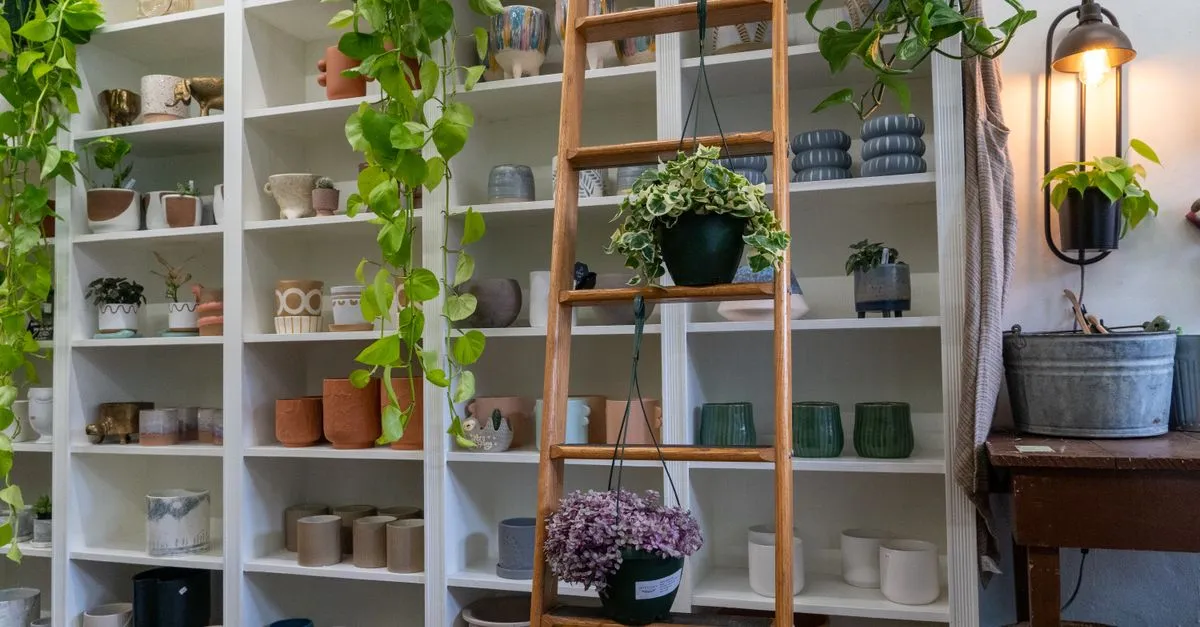
If you want a simple answer, the best time to buy houseplants is spring and early summer. Stock is freshest, plants are in active growth, and a new arrival settles and puts out roots fastest when the days are long and warm. Buying in autumn and winter is still possible, but it asks more care from you, and a cold snap can undo a good purchase in minutes.
Quick answer
The best time to buy houseplants is spring and early summer, ideally midweek and the day after a nursery delivery. Stock is freshest, plants in active growth root in fastest, and warm transport does almost no harm. Deep winter carries the most risk: temperatures below about 50°F (10°C) can damage sensitive tropicals and exposure below 40°F (5°C) is often fatal, though the danger is usually the gap between shop and home rather than your heated house. End-of-season sales are genuine bargains at 50 to 70 percent off, but check for pests and root-bound stock before buying. Season is a guide rather than a rule, and the condition of the plant in front of you matters more than the month.
Why spring and early summer is the prime window
Three things line up in the warmer months, in roughly this order of importance.
Plants in active growth shrug off the move. Buying and moving a plant is a shock: new light, new humidity, a jostle in the car or the post. A plant that is actively pushing new leaves has the energy to lay down fresh roots and recover quickly. A monstera or pothos bought in April and given a bright spot will often show new growth within two or three weeks. The same plant bought in deep winter, when growth has stalled, just sits there, and any damage takes far longer to grow out.
Nursery stock is at its healthiest and most plentiful. Most wholesale deliveries to garden centers and nurseries land between March and June, which is when growers have been producing and conditioning plants under the best light levels. You get first pick of recently arrived, well-conditioned specimens rather than the tired stragglers that have sat under shop fluorescents since autumn. Walk through a good nursery in May and you will see tighter, greener foliage than the same section in February, simply because the plants have not been standing around as long.
Warm transport causes almost no harm. Carrying a plant home on a mild day, or having it shipped in warm weather, does close to nothing to a tropical plant. There is no chilling risk, couriers are not routing through frozen depots, and the plant barely notices the trip. This single factor is why online plant sellers consistently rate spring and summer orders as far lower-risk than winter ones.
Why deep winter carries the most risk
Most popular houseplants are native to tropical or subtropical climates. Temperatures below about 50°F (10°C) can cause cellular damage in sensitive species, and exposure below 40°F (5°C) is often fatal for things like calatheas, hoyas, or anthuriums.
The danger is not usually your home, which is heated. The danger is the gap: the three minutes on a shop forecourt, the hour in an unheated delivery van, the parcel left on a doorstep in January. That brief exposure is enough to cause blackened leaves, mushy stems, or root rot that only becomes visible two weeks later when you are convinced something else went wrong.
Winter stock also tends to be more stressed than spring stock. Plants that have been sitting in a warehouse or retail environment since September, under artificial light and in fluctuating temperatures, accumulate small stresses that compound. They are more susceptible to pests, slower to root in, and more likely to drop leaves when moved again.
If you must buy in winter, wrap the plant thoroughly before it leaves the shop, get it indoors within minutes, and acclimate it slowly rather than placing it immediately in a bright window. Our guide on acclimating a new houseplant covers the first few weeks in detail.
End-of-season sales: genuine bargains with a catch
Late autumn clearouts and post-Christmas sales are when shops discount heavily to clear floor space and reduce winter heating costs on stock that will not sell anyway. Discounts of 50 to 70 percent on large specimens are common, and this is genuinely one of the cheapest times to acquire a substantial plant.
The catch is condition. End-of-season plants have usually been on the shop floor for months. They may be root-bound, nutrient-depleted, or hosting pests that have multiplied quietly over winter. Before you buy a discounted plant, check under every leaf for scale, spider mite webbing, or mealybug cottony residue. A heavily infested plant for half price is not a bargain if it introduces pests to your entire collection.
The plants best suited to end-of-season rescue are hardy, forgiving species: pothos, snake plants, ZZ plants, and cast iron plants. Avoid buying stressed specimens of anything fussy, such as calatheas or maiden-hair ferns, late in the season unless you are experienced in rehabilitation.
Weekday morning: the best time to visit a nursery
Most garden centers receive deliveries on Tuesday, Wednesday, or Thursday mornings. The stock is processed, tagged, and moved to the floor by mid-morning, which means a weekday visit shortly after opening gives you the best selection of freshest plants. Weekend visitors, who make up the bulk of retail traffic, are often choosing from stock that has already been picked over.
This is especially worth knowing for popular varieties. A shipment of variegated monsteras or rare hoyas can sell out by Saturday afternoon if it arrived Wednesday. If you have a specific plant in mind, call ahead to ask the delivery schedule, then visit the day after a delivery lands.
How to tell fresh stock from long-shelved stock
You do not need to know the delivery schedule if you can read the plant. Fresh stock shows:
Firm, upright growth. New leaves on fresh arrivals are turgid and pointing upward or outward. Plants that have been sitting for months tend to have leaves that droop or curl at the tips, even when watered.
Clean potting mix. Fresh stock will have relatively uncompacted, open potting mix. Heavily compacted, water-repellent mix that pulls away from the pot edges indicates a plant that has been sitting in the same pot for a long time without repotting.
No yellowing at the base. A few yellow leaves at the very bottom of a plant can be normal, but widespread yellowing, particularly on the lower third of the plant, suggests stress or overwatering during storage.
No salt crust on the pot rim. A white or brown mineral crust on the rim or outside of a terracotta pot indicates months of accumulated watering. It is not fatal, but it confirms the plant has been sitting there for a long time.
Healthy root color at the drainage hole. If you can see roots at the bottom, look for white or light-tan tips. Brown, mushy, or black root tips visible at the drainage hole are a red flag worth investigating before you pay.
Choosing your timing
If you can plan your purchase, aim for late spring or early summer and visit a nursery midweek, ideally the day after a scheduled delivery. That combination puts the most favorable conditions firmly in your favor: active-growth season, peak-condition stock, and your first pick of the freshest arrivals.
If the calendar is not on your side, apply the stock-reading checks above to find the best specimen available that day. A vigorous, pest-free plant bought in November will outperform a sad, yellowing one bought at the peak of spring. Season is a guide, not a rule, and the condition of the plant in front of you always matters more than the month on the calendar.
Keep a good transport plan in place for any cold-weather purchase, and you will give your new plant the safest possible start regardless of when you buy.
Where to go next
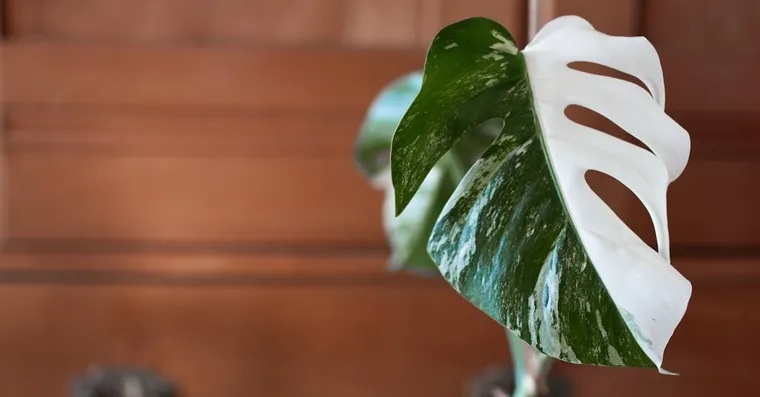
Why Are Houseplants So Expensive, and Are They Worth It?
Why houseplants cost so much: rarity, slow propagation, variegation, size, and hype. When the premium is worth paying, and how to buy well without overpaying.
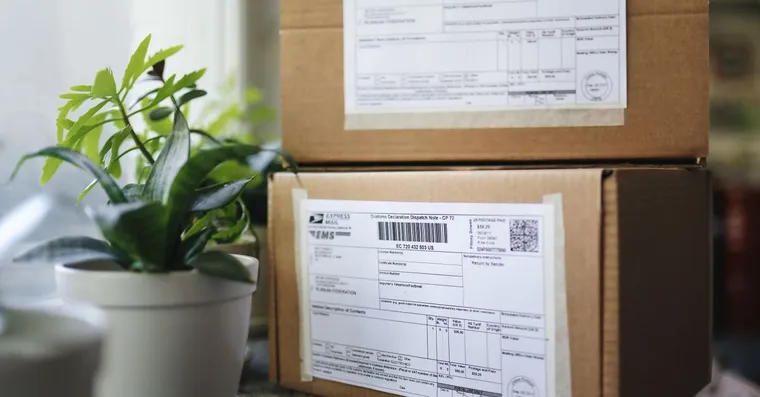
Buying Houseplants Online: What to Expect and How to Avoid Trouble
How to buy houseplants online safely, what really arrives in the box, how to unbox and settle a mail-order plant, and when shipping a plant is a bad idea.
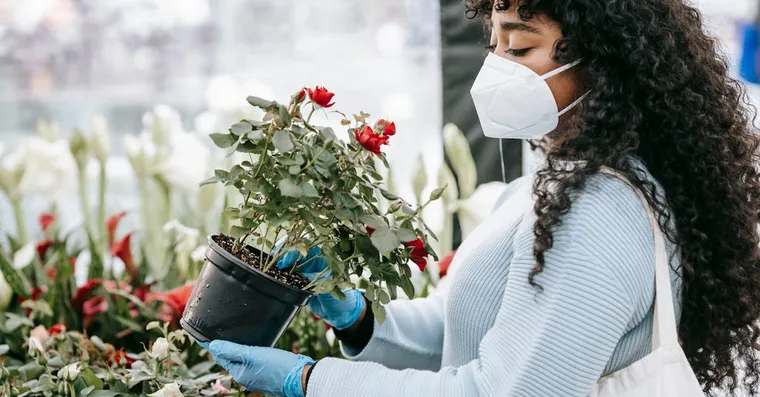
Common Houseplant Shopping Mistakes (and How to Avoid Them)
The mistakes that turn a houseplant purchase into a quick failure, from buying for looks over light to skipping the pest check, and how to shop better.
Not sure what plant you have? Identify it from a photo and we will point you at its care guide.
Frequently asked questions
When is the best time to buy houseplants?
Spring and early summer, ideally midweek and the day after a nursery delivery. Three things line up: plants in active growth have the energy to lay down fresh roots and shrug off the move, most wholesale deliveries land between March and June so stock is at its healthiest, and warm transport does almost no harm. A monstera or pothos bought in April and given a bright spot will often show new growth within two or three weeks.
Is it bad to buy houseplants in winter?
Deep winter carries the most risk, though usually not for the reason people expect. Your heated home is fine. The danger is the gap: three minutes on a shop forecourt, an hour in an unheated van, a parcel left on a doorstep in January. Below about 50F, or 10C, sensitive species can suffer cellular damage, and exposure below 40F, or 5C, is often fatal for calatheas, hoyas and anthuriums. Wrap the plant before it leaves the shop and get it indoors within minutes.
Are end-of-season plant sales worth it?
The discounts are real, commonly 50 to 70 percent on large specimens, but the catch is condition. End-of-season plants have usually sat on the shop floor for months and may be root-bound, nutrient-depleted, or hosting pests that multiplied quietly over winter. Check under every leaf for scale, spider mite webbing and mealybug residue first. A heavily infested plant at half price is not a bargain if it reaches the rest of your collection.
How can I tell if a plant has been sitting in the shop for months?
Read the plant rather than the label. Fresh stock has firm, upright growth with leaves pointing up or outward, relatively open potting mix, and white or light-tan root tips at the drainage hole. Long-shelved stock droops or curls at the tips even when watered, has compacted water-repellent mix pulling away from the pot edge, shows widespread yellowing on the lower third, and often carries a white or brown salt crust on the pot rim.