Common Houseplant Shopping Mistakes (and How to Avoid Them)
The mistakes that turn a houseplant purchase into a quick failure, from buying for looks over light to skipping the pest check, and how to shop better.
Some links in this guide go to Amazon. As an Amazon Associate we earn from qualifying purchases, at no extra cost to you. How this works.
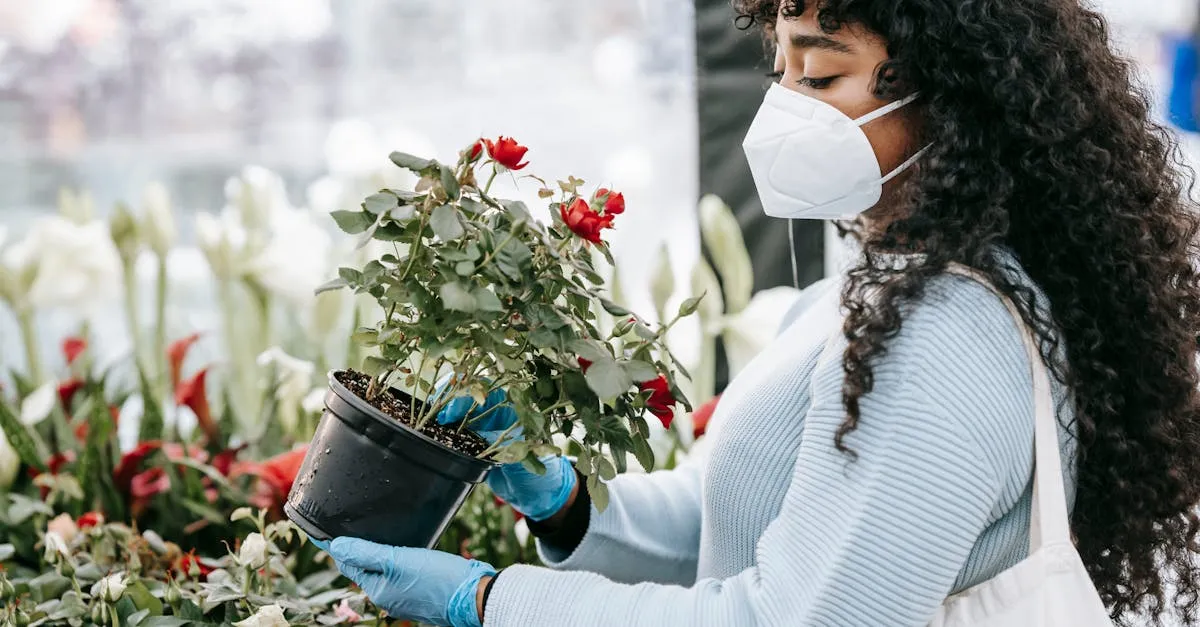
Most houseplant shopping mistakes happen before you reach the till. The plant that dies on your windowsill was usually picked for the wrong reason: the way it looked, the price, or a snap decision made in the aisle. Choose well and the care that follows gets far easier, so it pays to know where buyers most often go wrong.
The most common houseplant shopping mistakes, ranked
These are listed from the one that kills the most plants to the ones that simply cost you money or patience.
Buying for looks without checking your light. This is the single biggest mistake, and it is the hardest to undo. A fiddle leaf fig in a dim corner is doomed before you pay, no matter how good your watering is. Before you fall for a plant, work out how much light the spot you have in mind actually gets, then match the plant to it. If you are unsure what a plant needs, check how much light houseplants really require rather than guessing.
Picking a fussy plant when you are just starting out. Calatheas, maidenhair ferns and many rare aroids punish small mistakes. As a beginner you want a plant that forgives the odd missed watering while you learn, not one that browns the moment the humidity dips. Start with something tough from a list of the best houseplants for beginners and add the demanding ones once your routine is steady.
Skipping the pest and health check. One infested plant brought home can spread spider mites or mealybugs to everything you own. In the shop, turn a few leaves over, check the leaf joints and the soil surface, and look for sticky residue or fine webbing. Knowing how to choose a healthy houseplant at the shop saves weeks of treatment later. Even with a clean-looking plant, quarantine it for a couple of weeks before it joins the others.
Taking on a root-bound or clearance plant without seeing the work. A discounted, stressed plant can be a fair project if you go in clear-eyed, but many people buy one expecting it to bounce back on its own. Slide it from the pot if you can: a solid mass of circling roots means it needs repotting soon and may sulk for a while. Read up on root-bound houseplants so you know what you are signing up for, and only take the gamble if you have the time.
Paying hype prices for rare or variegated plants. A high price tag does not mean a plant is special, only that it is fashionable or slow to propagate. Variegated plants in particular often grow slower and need more light to hold their color. There is nothing wrong with buying one you love, but pay for it because you want it, not because the price convinced you it must be worth it.
Buying a plant in a pot with no drainage. Those pretty ceramic pots with a solid base trap water at the roots and quietly cause rot. Either treat the decorative pot as an outer cover and keep the plant in its plastic nursery pot, or be ready to drill a hole or repot into something that drains.
Buying more plants than you can keep up with. Five plants you barely watch will struggle more than one you tend properly. Be honest about how many you can water, turn and inspect each week, especially when life gets busy. A crowded shelf of half-cared-for plants is not a collection, it is a backlog.
Match the plant to your real home, not the picture in your head
Almost every mistake above comes from buying the plant you imagined rather than the one your home can support. Look at your actual light, your actual schedule and the actual spot before you choose, and a lot of the heartache disappears.
The cheapest plant is not a bargain if it dies in two weeks.
One well-chosen plant that thrives will give you more pleasure than five that limp along, and it teaches you more about care because you can see it respond. Buy slowly, buy for the conditions you have, and let the collection grow as your confidence does.
Before you head to the garden center again
Take a minute to look at the exact spot you have in mind and note how much light it really gets, then shop only for plants that suit it, because that single habit heads off the mistake that kills the most plants. Give yourself permission to leave empty-handed when nothing fits your conditions, since the right plant two weeks from now will always beat the wrong one bought today.
Where to go next
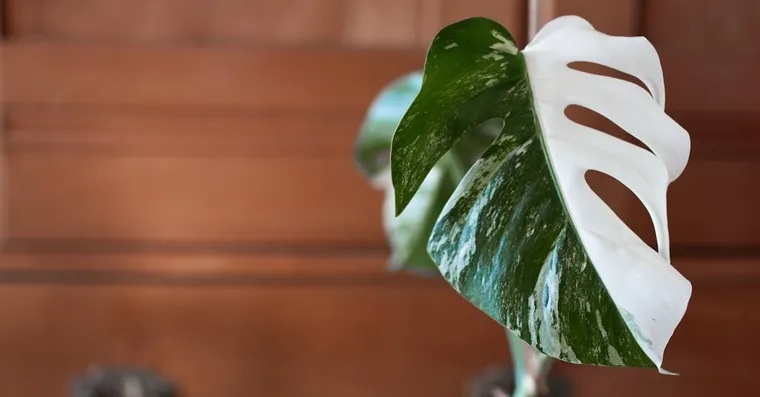
Why Are Houseplants So Expensive, and Are They Worth It?
Why houseplants cost so much: rarity, slow propagation, variegation, size, and hype. When the premium is worth paying, and how to buy well without overpaying.
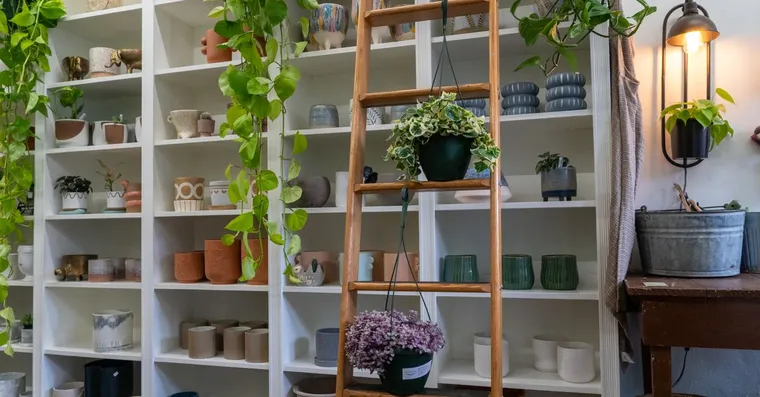
The Best Time to Buy Houseplants (and When to Hold Off)
When to buy houseplants for the best choice and the safest start, why spring and summer beat winter, and how to buy in cold weather without shocking a plant.
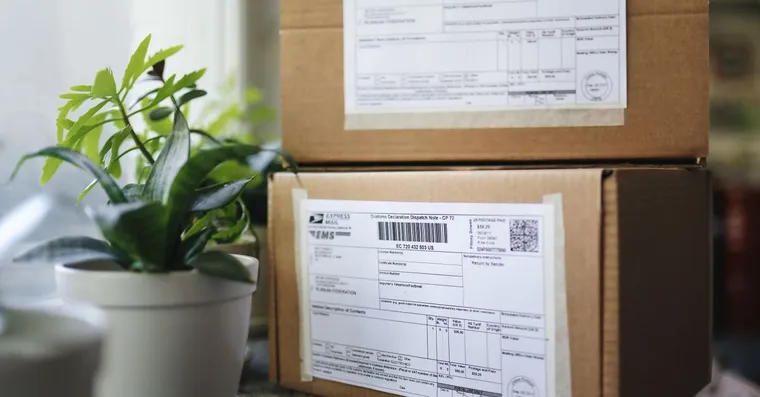
Buying Houseplants Online: What to Expect and How to Avoid Trouble
How to buy houseplants online safely, what really arrives in the box, how to unbox and settle a mail-order plant, and when shipping a plant is a bad idea.
Not sure what plant you have? Identify it from a photo and we will point you at its care guide.