Root-Bound Houseplants: How to Tell and What to Do
How to tell if a houseplant is root-bound, when it is a problem and when it is fine, and how to ease a pot-bound plant without setting it back.
Some links in this guide go to Amazon. As an Amazon Associate we earn from qualifying purchases, at no extra cost to you. How this works.
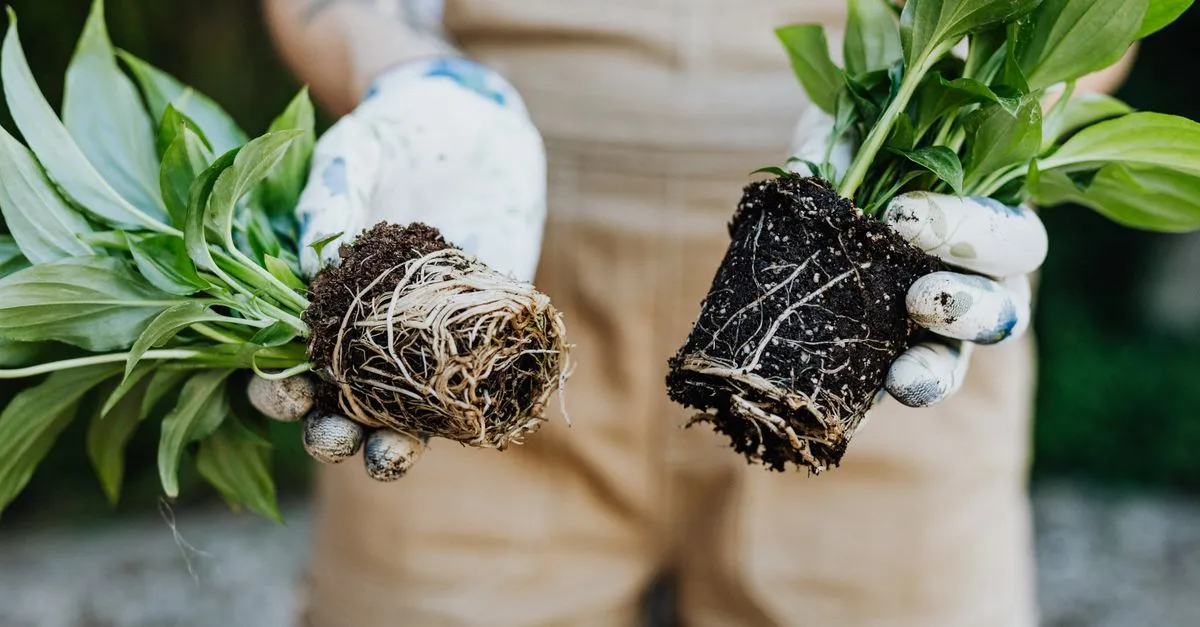
Most houseplants spend their whole lives a little snug in their pots, and that is normal. A plant becomes root-bound when its roots have filled the pot completely and started circling the inside wall with nowhere left to go. The good news is that root-bound houseplants are rarely an emergency, and knowing the real signs will save you from the most common mistake: panic-potting a fine plant into a pot that is far too big.
What root-bound actually means
Inside the pot, roots grow outward until they hit the wall, then turn and follow it round. Over months or years they form a dense, tangled mass that wraps the soil, sometimes so tightly that the root ball holds the shape of the pot after you slide it out. At that point the plant has more root than the soil and water can support, and growth above the soil slows because the engine below has run out of room.
This is different from when to repot a houseplant, which covers the full range of reasons and timing for moving a plant on. Root-bound is one specific trigger, not the only one.
Signs of a root-bound houseplant
Work down this list from the clearest signals to the more ambiguous ones. No single sign is proof on its own, but two or three together usually confirm it.
Roots out the drainage holes. Thick roots poking through the bottom, or even lifting the plant slightly off the saucer, are the most reliable sign. The plant has run out of room and is reaching for more.
Water races straight through. When you water and it pours out the bottom in seconds, there is little soil left to hold it. The pot is mostly root.
Fast, frequent wilting. A root-bound plant dries out far quicker than it used to, so you find yourself watering every day or two and it still flops between drinks.
A bulging, cracked, or rigid pot. Plastic pots distort or split, and you may struggle to squeeze the sides at all. The root mass has filled every gap.
Stalled growth. New leaves stop coming, or arrive small and pale, even with good light and feeding. If you have ruled out other causes of a plant that will not grow, crowded roots are a strong suspect.
How to check before you act
Do not guess from the outside. Water the plant lightly, then slide it out of the pot to look. Tip it sideways, support the base of the stems with one hand, and ease the pot off with the other. If it will not budge, run a knife around the inside edge.
Once it is out, read the root ball. Healthy roots are firm and pale. If they circle the outside in a tight spiral or form a solid felt with barely any soil showing, the plant is genuinely root-bound. Brown, mushy, sour-smelling roots are a different problem; that points to root rot, not crowding.
What to do about it
If the roots are circling hard, loosen them before repotting or they will keep growing in their old spiral. Tease the outer roots free with your fingers, and for a stubborn, matted ball, score down the sides with a clean knife in three or four shallow cuts. This sounds brutal but it tells the roots to branch outward into fresh soil.
Then pot up just one size, around 3/4 to 1 inch (2 to 3 cm) wider in diameter. The method matters as much as the timing, so follow how to repot a houseplant for the full sequence. Water it in and keep it out of harsh sun for a week or two while it settles.
The bigger mistake is the giant pot
A snug plant recovers in a week. A drowned one can take months, if it recovers at all.
Here is the honest reality: root-bound is not always a problem. Many plants flower better when their roots are tight, including peace lilies, spider plants, and most orchids, which sulk and refuse to bloom in roomy pots. Going up several sizes at once surrounds the small root ball with wet, unused soil that the plant cannot drink, and that soggy excess is a fast route to root rot. When in doubt, leave a healthy plant where it is.
Build a yearly root check into spring
In spring, when light returns and growth picks up, tip each plant out of its pot for a quick look so you catch circling roots before they choke the soil. Repot only the ones that genuinely need it, one size up, and the plant gets the whole growing season to settle and push fresh roots into the new mix. Anything you disturb in the dead of winter recovers slowly, so save real root surgery for the warmer months.
Where to go next
Repotting Shock: Why Your Plant Sulks After Repotting
Why a houseplant droops, yellows, or stalls after repotting, whether it is shock or something worse, and how to help it recover.
When to Repot a Houseplant: The Signs and the Timing
The real signs a houseplant needs repotting, the best time of year to do it, and why repotting too often does more harm than leaving a plant slightly snug.
Fungus Gnat Larvae: What They Look Like and How to Kill Them
Fungus gnat larvae live in the top few centimetres of soil and eat roots. Here is how to confirm you have them and the treatments that actually clear them.
Not sure what plant you have? Identify it from a photo and we will point you at its care guide.