When to Repot a Houseplant: The Signs and the Timing
The real signs a houseplant needs repotting, the best time of year to do it, and why repotting too often does more harm than leaving a plant slightly snug.
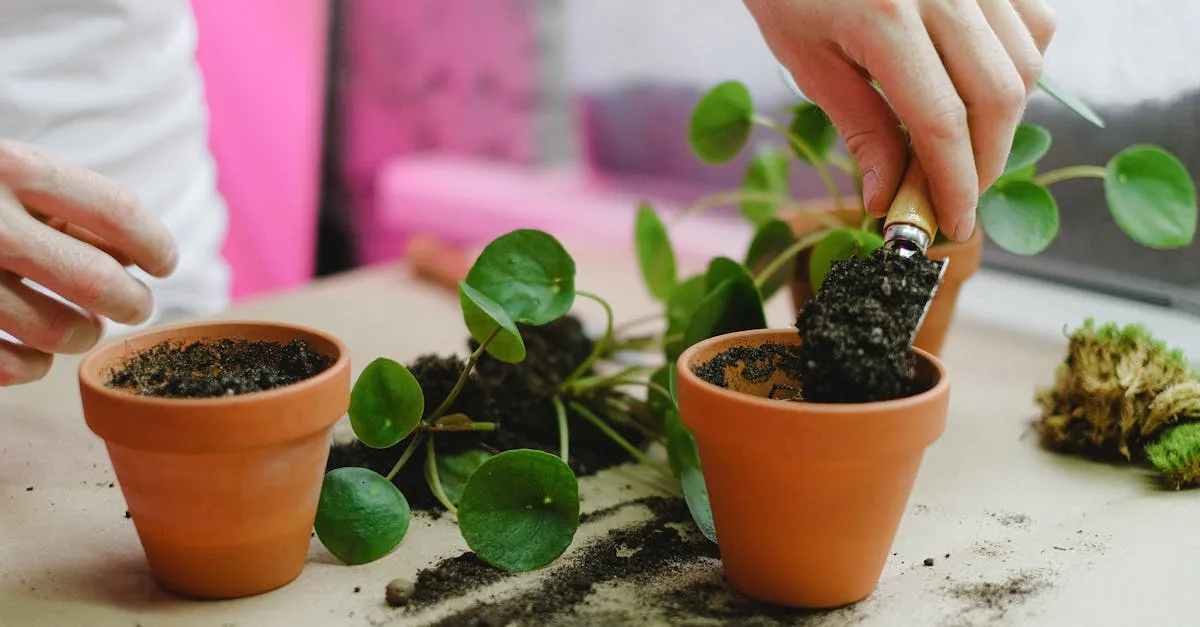
Most houseplants need repotting far less often than people assume. The honest answer to when to repot a houseplant is this: only when the plant clearly tells you it has run out of room, and ideally in spring or early summer when it can recover fast. A new pot is not a reward you give a healthy plant. It is a response to a specific problem, and most of the time that problem is not there yet.
The signs that actually matter
These are the genuine reasons to repot, ranked from the most reliable to the most cosmetic.
Roots growing out the drainage holes or circling the surface. This is the clearest signal. If thick roots are escaping the bottom of the pot, or coiling around the top of the soil like a nest, the plant has filled its container. A plant in this state is root-bound, and a size up will give it room to keep growing.
Water runs straight through. When you water and it pours out the bottom almost immediately, there is more root than soil left to hold it. The mix can no longer absorb moisture, so the plant stays thirsty no matter how much you give it.
The plant dries out within a day or two. A pot that needs watering far more often than it used to is usually packed with roots. There is so little soil left that it cannot store water for long.
Growth has stalled. If a plant that should be putting out new leaves has gone quiet through spring and summer, and the easy causes like low light or skipped feeding are ruled out, a cramped root system may be the limit. Repotting only helps here once you have checked the roots are genuinely the problem.
The plant is top-heavy. When a plant tips over because the leaves have outgrown the base, a wider, heavier pot can steady it. This is the weakest reason on its own, so treat it as a finishing touch rather than proof the plant needs more root space.
When to repot a houseplant through the year
Timing matters more than people think. Repot in spring or early summer, when the plant is actively growing and can push new roots into fresh soil within weeks. A plant disturbed in the growing season settles quickly. The same move in autumn or winter, when growth slows, leaves it sitting in damp soil it cannot use, which is exactly the condition roots dislike.
When you do move it, go up one pot size only, usually 3/4 to 1 1/2 inches (2 to 4 cm) wider in diameter. For the method itself, see how to repot a houseplant.
Why bigger is not better
The instinct to give a cramped plant a generous new home is the most common repotting mistake. A small root system cannot drink the water held by a large volume of soil, so the excess sits there, stays wet for days, and starves the roots of air. That is a fast route to root rot, and it kills more repotted plants than crowding ever does.
A plant outgrows its pot slowly, but it drowns in an oversized one quickly.
Going up one size keeps the soil-to-root balance close to what the plant is used to, so the mix dries at a sensible pace and the roots stay healthy.
Why slightly pot-bound is often fine
Several popular houseplants prefer snug roots and will reward you for leaving them alone. A snake plant grows densely and can crack a thin pot before it truly needs more space. A peace lily tends to flower better when its roots are a little crowded. A spider plant produces more of its baby plantlets when it feels secure in its container.
For these, resist the urge to repot on schedule. Move them only when they show the real signs above, and accept that a slightly tight pot is often the condition they grow and flower best in.
Check the roots before you decide
When you are unsure, slide the plant out of its pot and look: a dense web of roots with little soil left means go up one size next spring, while plenty of visible mix means slip it back and leave it another year. The plant will keep showing you the signs above, so there is no cost to waiting until it clearly needs the move. Repot on the plant’s schedule rather than your own, and you will lose far fewer to an oversized pot than you ever would to a snug one.
Where to go next
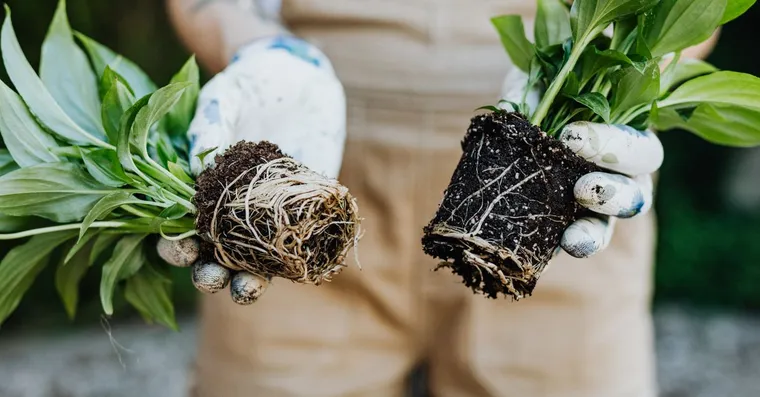
Root-Bound Houseplants: How to Tell and What to Do
How to tell if a houseplant is root-bound, when it is a problem and when it is fine, and how to ease a pot-bound plant without setting it back.
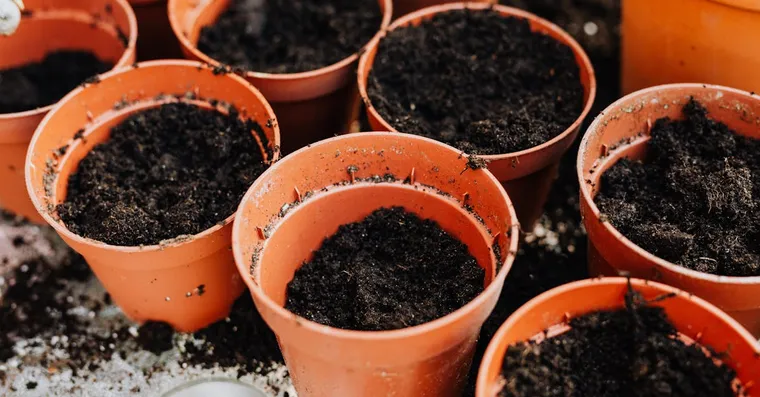
How to Choose the Right Potting Mix for Houseplants
A guide to houseplant potting mixes, explaining what good soil contains and how to match or amend it for different types of plants.
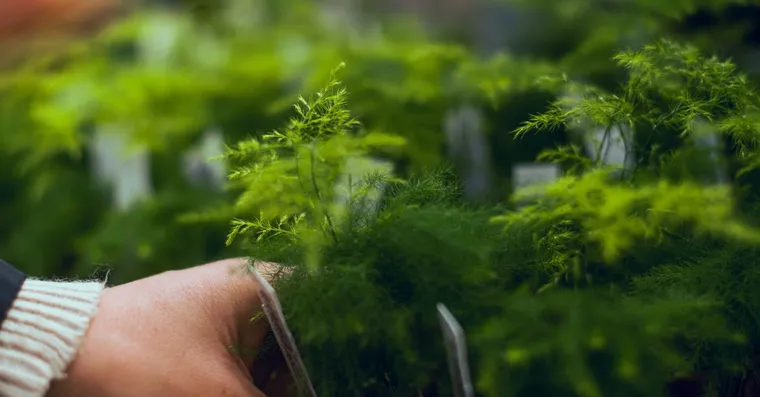
Asparagus Fern Care: Not a Fern, and It Has Thorns
Asparagus fern is not a fern, it is toxic to cats and dogs, and mature stems carry spines. Here is how to grow it and what to know first.
Not sure what plant you have? Identify it from a photo and we will point you at its care guide.