Why Is My Houseplant Not Growing?
Why a houseplant stops growing, when a pause is perfectly normal, and the handful of changes that get a stalled plant moving again.
Some links in this guide go to Amazon. As an Amazon Associate we earn from qualifying purchases, at no extra cost to you. How this works.
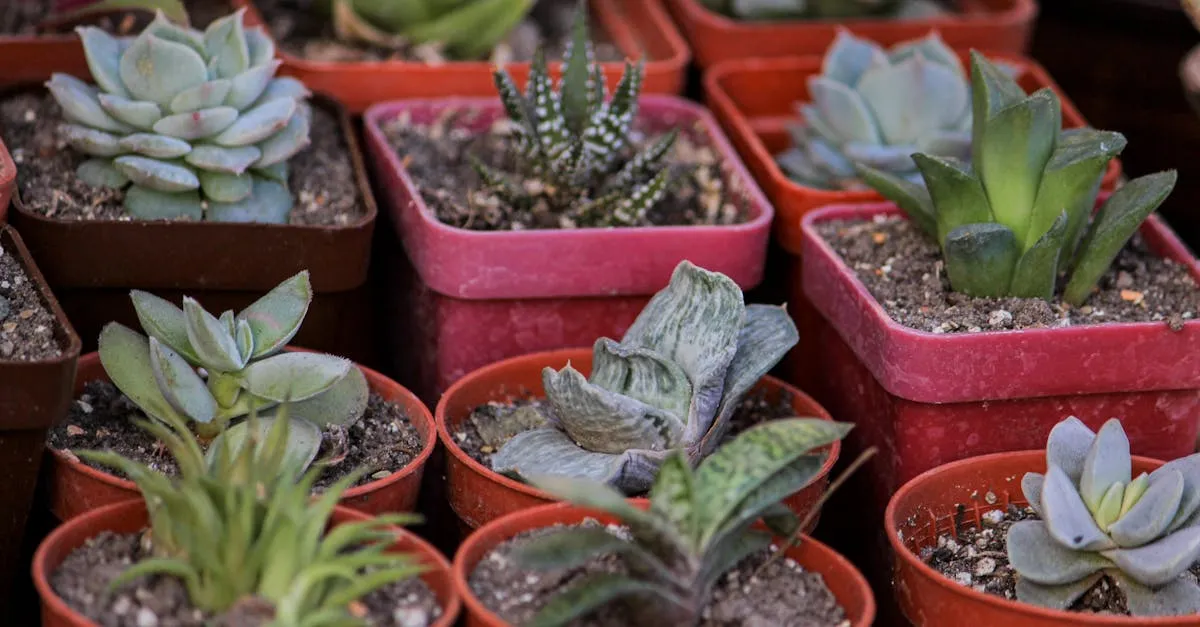
Most of the time, a houseplant not growing is not a sign that anything is wrong. Plants are not meant to grow year round, and a healthy plant that holds steady for a few months is doing exactly what it should. The question worth asking is not “how do I push it to grow” but “is this the season and the light for growth at all”.
The reasons a plant stalls, most likely first
Work down this list in order. The common causes sit at the top, and they are rarely the ones people reach for.
It is winter, so the plant is dormant. From roughly late autumn to early spring, light levels drop and most houseplants slow or stop completely. This is normal. The plant is not sick, it is resting, and no growth is the correct response to short, dim days. See winter houseplant care for what to do and, just as importantly, what to leave alone.
There is not enough light. Light is the fuel for growth, and most homes are darker than they look. A plant on an interior wall or 15 feet (5 m) from a window may survive for months while having nowhere near enough light to put out new leaves. This is the single biggest cause of a stalled plant in the growing season. Check what your plant actually needs against how much light houseplants need.
It is not being fed during the growing season. A plant in the same potting mix for a year or more has used up the nutrients in it. Through spring and summer, that shortage shows up as a plant that stays exactly the same size. Feeding fixes this, but only when light and season already allow growth.
It is severely root-bound. A plant that has filled its pot with roots, with little soil left to hold water or nutrients, will slow down. The signs are roots circling the surface or pushing out of the drainage holes, and water that runs straight through. This is real, but it is further down the list than most people assume. See root-bound houseplants for how to tell.
It is sitting cold. A plant against a cold winter window, near a drafty door, or in an unheated room may be too cold to grow even when light is fine. Most houseplants slow markedly below about 60°F (15°C).
The honest answer about a houseplant not growing
The most common reason a houseplant is not growing is the wrong season or too little light. It is almost never a need for more water or a bigger pot, yet those are the two things people reach for first.
Both backfire. Extra water on a plant that is not actively growing sits in the soil, because a resting plant drinks very little, and that is how root rot starts. A bigger pot gives the roots more wet soil to sit in without giving the plant any more of what it actually lacks, which is light. Repotting also sets a plant back while it recovers, so chasing growth with constant repotting does the opposite of what you want.
A plant grows when light and warmth tell it to, not when you give it more water or a bigger pot.
Fertilizer has the same trap. Feeding a plant that cannot grow, because it is winter or in deep shade, does not force growth. The unused salts build up in the soil and can scorch the roots. Feed only when the plant is already in a position to use it.
What to actually change
Change these in order, and give each one a few weeks before judging it.
Move it to more light. This is the first and most powerful lever. Shift the plant closer to a window or to a brighter room, or add a grow light through the darker months. Most stalled plants are short of light, not anything else.
Feed it in spring and summer. Once the growing season arrives and the light is adequate, a balanced houseplant feed at the recommended strength gives the plant the nutrients to build new leaves. Stop feeding in autumn and winter. The guide to fertilizing houseplants covers timing and dose.
Repot only if it is genuinely root-bound. If, and only if, you have confirmed the roots have filled the pot, move up one pot size in spring. Otherwise, leave it be.
When a pause is not a problem
If it is autumn or winter, the right response to a plant that has stopped growing is usually to do nothing and wait for the light to come back in spring. The mistake that costs plants is treating a normal seasonal pause as an emergency and reaching for water, feed, or a bigger pot, all of which set a resting plant back rather than wake it up. Come spring, change one thing first, more light, and give it a few weeks before you decide anything else is wrong.
Where to go next
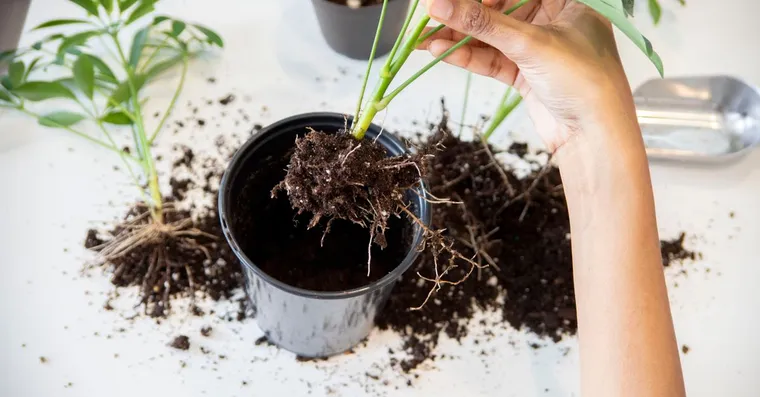
What Does Root Rot Look Like? Signs at Every Stage
Root rot is diagnosed at the roots, not the leaves. Here is what healthy and rotting roots look like, and which above-ground signs point to it.
Why Is My Houseplant Dropping Leaves?
A diagnostic guide to houseplant leaf drop, from normal shedding and shock to watering, light, cold, and pests, with how to work out which it is.
Fungus Gnat Larvae: What They Look Like and How to Kill Them
Fungus gnat larvae live in the top few centimetres of soil and eat roots. Here is how to confirm you have them and the treatments that actually clear them.
Not sure what plant you have? Identify it from a photo and we will point you at its care guide.