Winter Houseplant Care: Watering, Light, and Heating
How to look after houseplants in winter, from cutting back on water and skipping fertilizer to coping with short days and dry air from heating.
Some links in this guide go to Amazon. As an Amazon Associate we earn from qualifying purchases, at no extra cost to you. How this works.
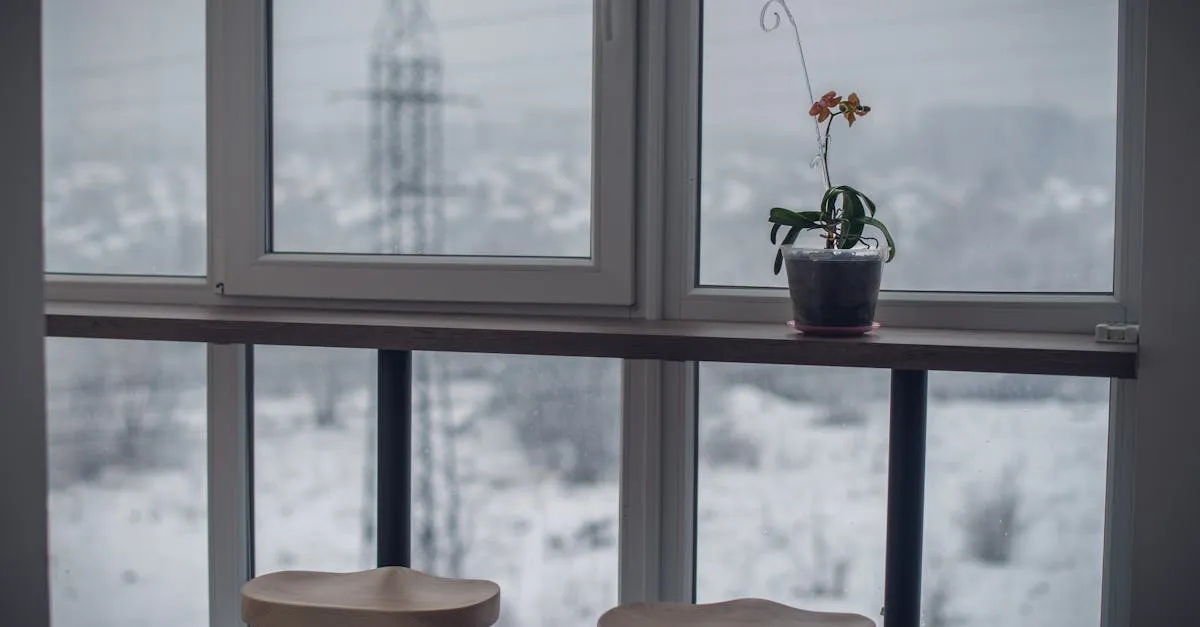
Most houseplants are not dying in winter, they are slowing down, and the care that kept them happy in July is often what kills them in January. Good winter houseplant care comes down to one shift in thinking: the plant is doing less, so you should do less too. Water far less, stop feeding, move plants toward what little light there is, and watch out for the dry, drafty air that does most of the real damage.
Why your plants slow down when the light fades
As days shorten, plants receive less light and grow more slowly or pause altogether. With less growth, they take up less water and almost no nutrients. The soil stays wet for longer because cool air and slow roots both dry it out more gradually. Nothing is wrong with this. The mistake is treating a resting plant as if it were still in full summer growth.
A few plants buck the trend. Winter-flowering kinds like the Christmas cactus are active now and need more attention, not less. Most others, from pothos to monstera to snake plants, are coasting.
Water far less, and check before you pour
This is the single biggest winter killer. Watering on a summer schedule into cold, slow-drying soil is how roots suffocate and rot.
- Check the soil, do not follow the calendar. Push a finger in to the second knuckle, or lift the pot to feel its weight. Water only when the top inch or two (3 to 5 cm) are dry, and for many plants that means letting more of the pot dry out than you would in summer.
- Stretch the gap between waterings. A plant you watered weekly in July may want water every two or three weeks now. Tropicals slow down; succulents and cacti slow to almost nothing.
- Use room-temperature water. Cold water from the tap is a shock to warm-room roots.
- Tip away anything left in the saucer. Standing water plus cold soil is the fastest route to root rot.
If a plant droops, do not assume it is thirsty. In winter, soggy soil causes drooping far more often than dry soil does. Overwatering and underwatering can look identical from above, so always check the soil before reaching for the watering can.
Stop fertilizing until growth returns
Feeding a plant that is not growing does nothing useful. The roots cannot use the nutrients, and the unused salts build up in the soil where they can scorch roots and brown leaf tips. Stop feeding through the darkest months. There is no benefit to pushing food at a plant that has put its work down for the season.
Move plants closer to the light
Window light in winter is weaker and arrives for fewer hours, so a spot that was bright in summer may now be gloomy.
- Move plants nearer to windows. A south or west-facing sill that was too harsh in July is often ideal now.
- Clean the leaves and the glass. Dust on both blocks light the plant can scarcely afford to lose. A quick wipe of the leaves helps.
- Consider a grow light for genuinely dark rooms, especially north-facing ones where no amount of repositioning helps.
The real winter killer: dry air and cold drafts
Indoor heating dries the air dramatically, and the temperature swings near windows and radiators stress plants more than the cold itself.
The danger is not the season, it is the radiator under the windowsill and the draft coming over it.
- Keep plants off and away from radiators. The hot, bone-dry air above a radiator desiccates leaves and forces the soil to dry unevenly.
- Pull plants back from cold glass and drafts. Leaves touching an icy window, or sitting in the cold air that pours off it at night, can brown or drop. Mind doors that open to the outside too.
- Raise humidity for the plants that want it. Heating can drop indoor humidity to desert levels. Grouping plants together or using a humidifier helps the humidity-loving species like calatheas and ferns far more than misting does.
When to start feeding and watering normally again
Let the plant tell you, not the calendar. As days lengthen in late winter into spring, watch for new leaves, unfurling shoots, or noticeably faster soil drying. Those are the signs roots are active again. When you see steady new growth, gradually increase watering and resume feeding at the normal rate. Restarting too early, while the plant is still resting, just repeats the winter mistakes in spring.
The one habit that carries plants through to spring
Treat winter as a season of restraint rather than rescue, and when a plant looks off, check the soil and the nearest radiator before you reach for the watering can, because in these months the urge to act causes more deaths than neglect. A plant that ends winter a little dusty and static, but with firm roots and no rot, has had a good one. Hold that hands-off discipline until you see genuine new growth, then ease watering and feeding back up gradually instead of switching them on all at once.
Where to go next
Succulent Winter Care: Watering, Light, and Dormancy
How to keep succulents healthy through winter indoors and out, including reduced watering, cold tolerance, and which types stay dormant.
Why Is My Monstera Turning Yellow? Causes and Fixes
Yellow leaves on a monstera usually mean a watering problem, but light, feeding, and age all matter; here is how to tell them apart.
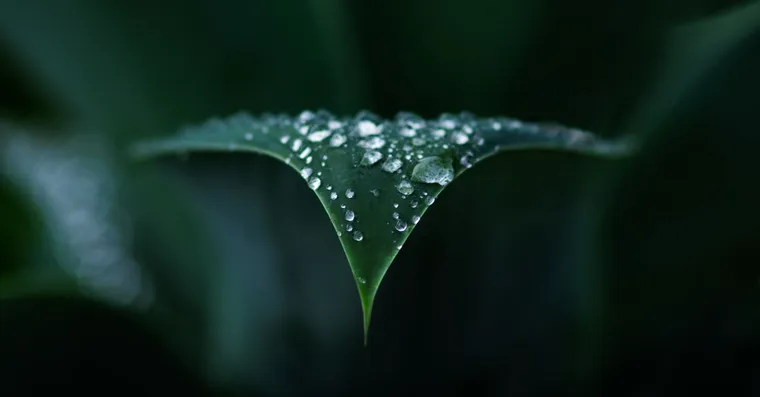
Guttation: Why Your Houseplant Drips Water at Night
Those water drops on leaf tips in the morning are guttation, not sweat or dew. What causes it, when it is harmless, and when it hints at overwatering.
Not sure what plant you have? Identify it from a photo and we will point you at its care guide.