How to Choose a Healthy Houseplant at the Shop
What to check before buying a houseplant, from leaves and stems to roots, soil, and hidden pests, so you bring home a healthy plant and not a problem.

Picking a healthy plant at the shop comes down to a short inspection done in the right order, and the most telling signs are the ones most people skip. Learning how to choose a healthy houseplant is less about finding the prettiest specimen and more about ruling out pests and rot before you hand over your money. Spend two minutes checking the right things and you will avoid bringing home a problem.
Start with the leaves
The leaves tell you the most, fastest. Look for firm, evenly colored foliage with no yellowing, no brown crisping at the edges, and no pale or bleached patches. Run a finger across a leaf: sticky residue means the plant is leaking honeydew, which is a sign of an active sap-sucking pest even if you cannot see the insect yet. Fine webbing between leaves or in the leaf joints points to spider mites. A few imperfect or slightly marked leaves are fine on an otherwise strong plant, so do not reject a good plant over one tatty leaf.
Turn the leaves over and check the joints
This is where shop pests hide, and it is the single step most buyers miss. Tip the plant gently and look at the leaf undersides and the points where leaves meet the stem. You are looking for four things, in rough order of how often they turn up:
- Spider mites. Tiny moving specks and fine webbing, usually on the undersides. See Spider Mites on Houseplants: How to Spot and Get Rid of Them for what they look like up close.
- Mealybugs. Small blobs of white fluff tucked into joints and leaf bases. The guide to Mealybugs on Houseplants covers how easily they spread between plants.
- Scale. Small brown or tan bumps along stems and veins that do not brush off easily.
- Thrips. Slim pale or black slivers, plus silvery streaks and tiny black dots of waste on the leaves.
If you find any of these, put the plant back. One infested plant in a shop usually means its neighbors are affected too.
Look for signs of active growth
New growth is a quiet vote of confidence. A small unfurling leaf, a fresh shoot, or a bud means the plant is actively growing rather than just sitting and slowly declining. A plant that is pushing out new leaves has been kept in conditions it likes, and it will settle into your home faster.
Check the stems and the base
Move down to the structure. Stems should be firm and upright, and the base where the plant meets the soil should be solid. Press gently near the soil line: mushy, soft, or blackened tissue at the base is a sign of rot, and rot is much harder to reverse than a pest problem. A soft base is a deal breaker even on a plant with perfect leaves.
Inspect the soil and roots
The soil should be lightly moist, not waterlogged and not bone dry, both of which suggest poor care on the shelf. Tap the pot or disturb the surface: a cloud of small flies rising up means fungus gnats, which usually signals soil that has been kept too wet. Tip the pot slightly and look at the drainage holes. A few roots peeking out is normal, but a dense mat of roots bursting from the bottom means the plant is badly root bound and will need repotting soon.
Be honest about the bargain shelf
The prettiest, biggest plant on display is not always the healthiest, and the wilted plant on the reduced shelf is not always a write-off. The honest reality is in the middle: a clean, actively growing medium plant beats a huge one hiding pests in its crowded canopy.
Buy the plant that is healthy, not the plant that is impressive.
Only take on a clearly struggling bargain plant if you understand what is wrong and are willing to nurse it back.
Quarantine it anyway
Even a plant that passes every check should be kept apart from your others for a couple of weeks, because eggs and early pests are easy to miss in shop lighting. Set it on its own, watch it, and follow the steps in How to Quarantine a New Houseplant. Pair that with a gentle settling-in period using Acclimating a New Houseplant so it adjusts to your light and humidity without shock.
Make the underside check a habit
The mistake that brings pests home is skipping the leaf undersides and joints because the plant looks clean from the front, so run that check every single time, even on a quick supermarket grab. Do it often enough and you will start catching the faint webbing and tucked-away white fluff that most buyers walk straight past, which is what keeps the rest of your collection clear. Treat the shop inspection and the two-week quarantine as one routine rather than two separate jobs, and very few problems will ever reach your shelves.
Where to go next
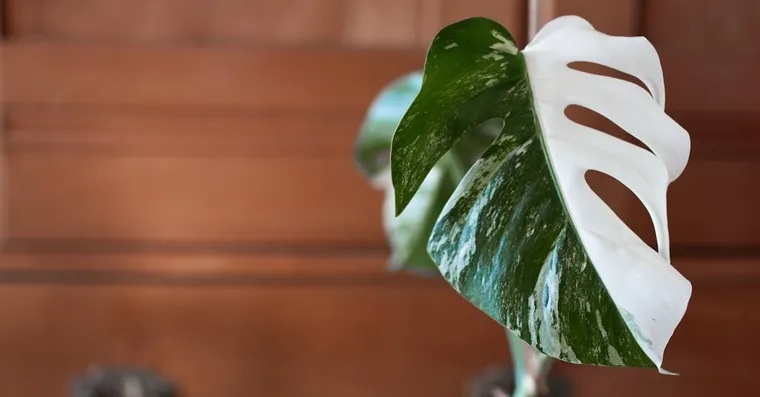
Why Are Houseplants So Expensive, and Are They Worth It?
Why houseplants cost so much: rarity, slow propagation, variegation, size, and hype. When the premium is worth paying, and how to buy well without overpaying.
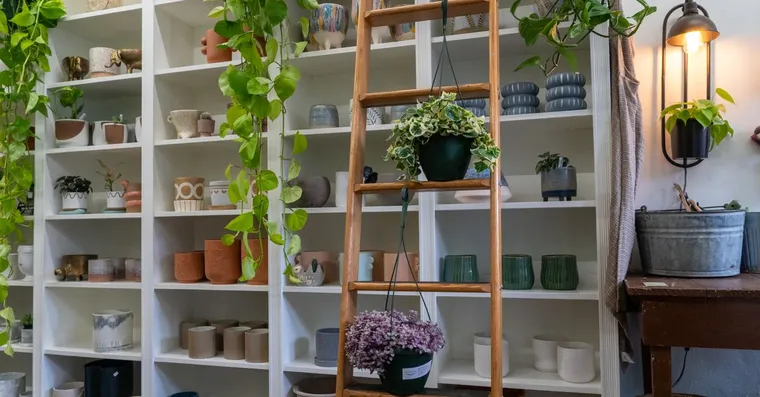
The Best Time to Buy Houseplants (and When to Hold Off)
When to buy houseplants for the best choice and the safest start, why spring and summer beat winter, and how to buy in cold weather without shocking a plant.
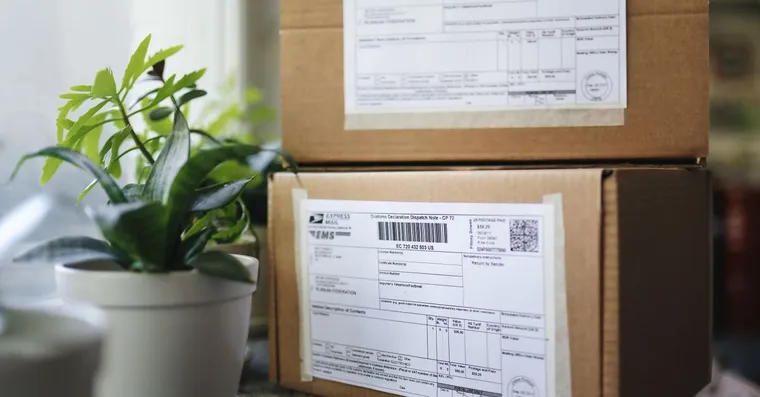
Buying Houseplants Online: What to Expect and How to Avoid Trouble
How to buy houseplants online safely, what really arrives in the box, how to unbox and settle a mail-order plant, and when shipping a plant is a bad idea.
Not sure what plant you have? Identify it from a photo and we will point you at its care guide.