Money Tree Care: Looking After a Braided Pachira
A care guide for the braided money tree (pachira aquatica), covering light, the watering that prevents rot, and what the yellow leaves mean.
Some links in this guide go to Amazon. As an Amazon Associate we earn from qualifying purchases, at no extra cost to you. How this works.
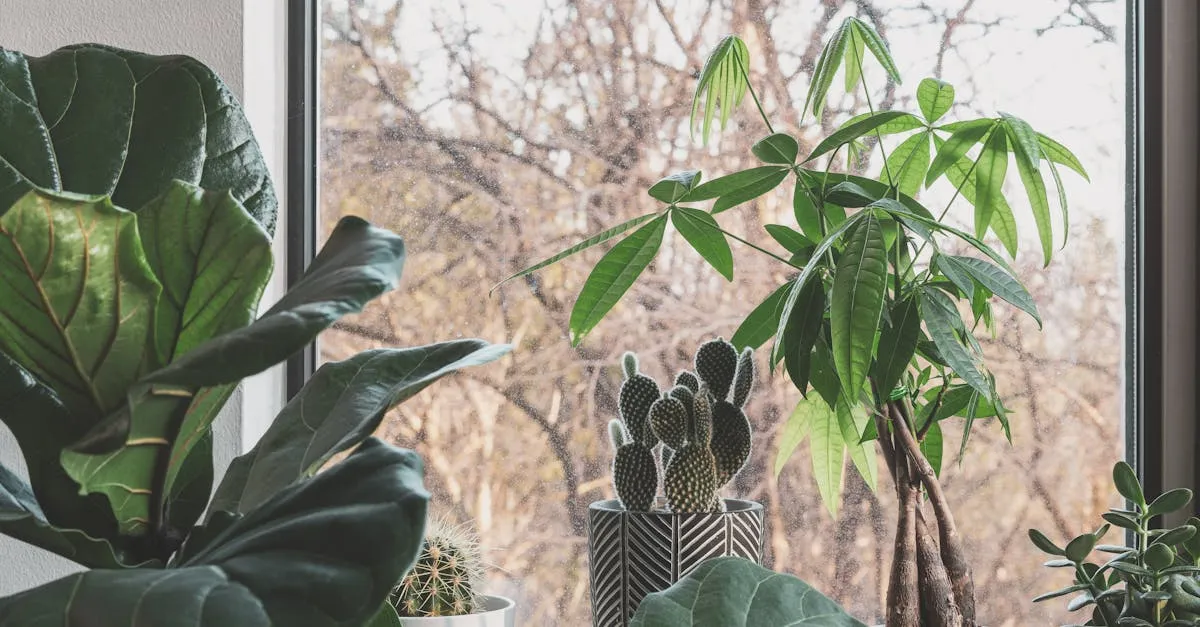
The braided money tree, Pachira aquatica, is one of the most forgiving small trees you can grow indoors, but it is also one of the most overwatered. Good money tree care comes down to a few honest habits: bright indirect light, a thorough soak only when the soil has actually dried, and regular turning so the braided trunk grows evenly. The sections below also cover how the braid actually works, a humidity fix most guides skip, and a straight word on the luck claim.
Why the “aquatic” name is misleading
In the wild, Pachira aquatica grows in swampy ground and can tolerate seasonal flooding. That history is where the name and the marketing claims about it loving water come from. Indoors, in a pot, the situation is completely different: there is no flowing water, no drainage across a riverbank, just stagnant moisture sitting around the roots. Treat your plant as a tropical tree that likes to dry out between drinks, not a bog plant. This single misunderstanding causes more dead money trees than anything else.
Light and position
Light. A money tree does best in bright, indirect light: a spot near an east or west window, or 3 feet (1 m) back from a bright south-facing one, is ideal. It will survive in moderate light but grows leggy and pale, stretching towards the window. If you notice either sign, move the pot 12 to 24 inches (30 to 60 cm) closer to the window, or add a grow light on a 12-hour timer in winter. Avoid harsh direct midday sun through glass, which scorches the leaflets. For more on matching plants to the light available in your home, see how much light houseplants need.
Rotation. Turn the pot a quarter turn every week or two. The braided trunk and the canopy both lean towards light, so a plant left facing one direction grows lopsided. Regular rotation keeps the braid upright and the foliage balanced, which matters more here than with most plants because the form of the trunk is the point.
Temperature. Normal room temperatures suit it well. Keep it away from cold drafts, radiators, and the dry blast of air conditioning. It is happiest between 60°F (16°C) and 80°F (27°C).
How to water a money tree
Water thoroughly only when the top inch or two (3 to 5 cm) of soil have dried out. Push a finger in to the second knuckle: if it feels damp, wait. When it is dry, water until liquid runs from the drainage holes, then tip away whatever collects in the saucer within 30 minutes.
The lift test. Pick up the pot straight after watering and notice the weight. Lift it again a few days later: a noticeably lighter pot means the soil has dried and it is time to water; still heavy means wait. You will calibrate this quickly for each pot. In a bright spot in summer, weekly watering is common; in winter it can stretch to every two or three weeks. A money tree recovers from being too dry far more easily than from being too wet. For the full method, see how to water houseplants.
Overwatering diagnostic
Yellow leaves are a warning, not a request for more water. Before you act, match your symptoms:
| Symptom | Most likely cause |
|---|---|
| Yellow and soft, lower leaves, soggy soil | Overwatering |
| Brown crispy tips, dry soil | Underwatering or low humidity |
| Yellow, bleached, faded patches | Too much direct sun |
| Soft black base, sour smell | Root rot |
Persistent wet soil leads to root rot, the real killer behind most money tree deaths. If the base of the trunk softens or smells sour, act quickly: remove the plant, trim any blackened roots, and repot into fresh, free-draining mix. After you stop overwatering, most plants stabilize within 2 to 3 weeks if the roots are intact.
More yellow-leaf causes are covered in yellow leaves on houseplants. If leaves are dropping as well as yellowing, houseplant dropping leaves has a useful breakdown of root causes.
Humidity and leaf tips
Money trees prefer 40 to 60% relative humidity. In heated winter rooms, where humidity can drop below 30%, the leaf tips brown and crisp even when watering is correct. Fix this with a pebble tray (fill it with water kept below the base of the pot, not touching it), by grouping plants together, or by running a small humidifier nearby. Skip misting: it delivers a brief spike that is too short to help and can encourage fungal spots on the foliage. If you are unsure whether crispy tips are a dryness or watering problem, overwatering vs underwatering houseplants walks through the differences clearly.
Understanding the braid
The braid is not grown on one plant. Growers twist three to seven separate young saplings together before the stems harden, then sell them as a single pot. Three or five trunks is most common; you can usually see the individual stems if you look closely at the base.
To continue the braid at home, wait until new growth is at least 12 inches (30 cm) long and still green and flexible. Loosely tie the new stems with soft twine, working upward in the same spiral direction as the existing braid. Lucy Liu, at her London nursery, uses soft green horticultural velcro tape rather than twine on three-year-old nursery stock, finding that it grips securely without biting into the green bark. She also notes that the stems need roughly six months of support before they hold the braided shape permanently on their own. Re-tie every 4 to 6 weeks as the stems thicken. Once a section turns woody, cut the tie and leave it: the shape has set. Never try to force a mature, woody section into a tighter position; the stem will snap.
If one trunk dies, you can remove it carefully without losing the plant. The remaining trunks will keep growing and the braid simply becomes a little thinner.
Soil and feeding
Soil. Use a well-draining mix: 50/50 houseplant compost and perlite works well and is straightforward to put together. The pot must have drainage holes; there is no workaround for a pot without them. Avoid heavy, peat-rich composts that retain moisture for longer than the roots can use.
Feeding. Feed with a balanced houseplant fertilizer at half strength once a month through spring and summer. Stop in autumn and winter when growth slows.
Repotting
Repot every 2 to 3 years, or sooner if roots are pushing through the drainage holes. Move up one pot size, so 3/4 to 1 inch (2 to 3 cm) wider than the current container, and do it in spring when growth is picking up. Hold feeding for 4 to 6 weeks after repotting to avoid stressing freshly disturbed roots.
One thing worth knowing: a mildly root-bound money tree grows more slowly, and slower growth means new stems stay flexible and workable for longer, which helps if you want to continue the braid. Do not rush into a much larger pot; excess compost holds moisture for longer than the roots can use it.
The luck claim
People buy money trees for feng shui and as gifts, and the name certainly helps sales. To be straight with you: there is no verified evidence that Pachira aquatica has any effect on wealth or fortune. The care in this guide keeps your plant alive and healthy; the symbolism is yours to enjoy or set aside. Either way, a well-tended money tree is a genuinely attractive plant.
Pet safety
Pachira aquatica is widely listed as non-toxic to cats and dogs, which makes it a genuinely good choice for pet households. If you are building a collection and want to check each plant you bring in, our pet-safe houseplants guide covers a broad range of common species.
The habit that keeps a money tree alive
If you build one routine, make it the lift test before every watering, because a money tree forgives a dry week far more readily than a wet one. Through the dark months from November to February, expect to water roughly half as often and ease off the feed entirely, then pick both back up as spring growth returns. Keep turning the pot while you are at it, and the braid you bought it for will still look the part in three years.
Where to go next
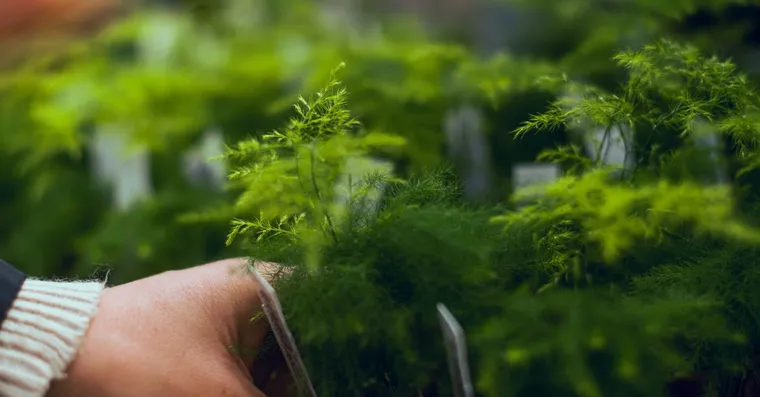
Asparagus Fern Care: Not a Fern, and It Has Thorns
Asparagus fern is not a fern, it is toxic to cats and dogs, and mature stems carry spines. Here is how to grow it and what to know first.
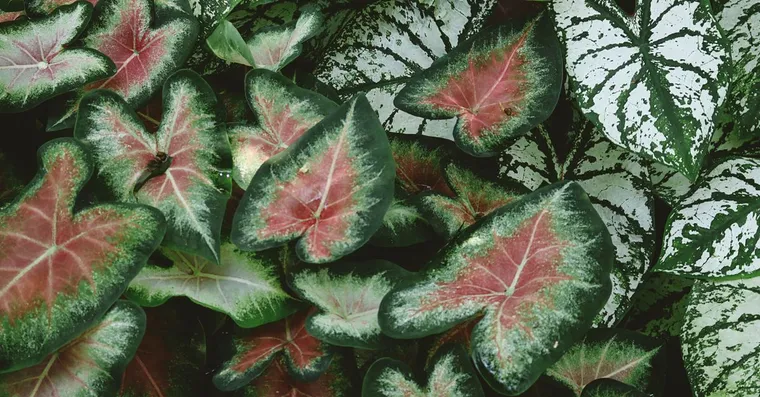
Caladium Care: Bright Leaves, Winter Dormancy, and Toxic Sap
Caladiums die back every winter and that is normal, not failure. Here is how to grow the tubers indoors and why they need care around pets.
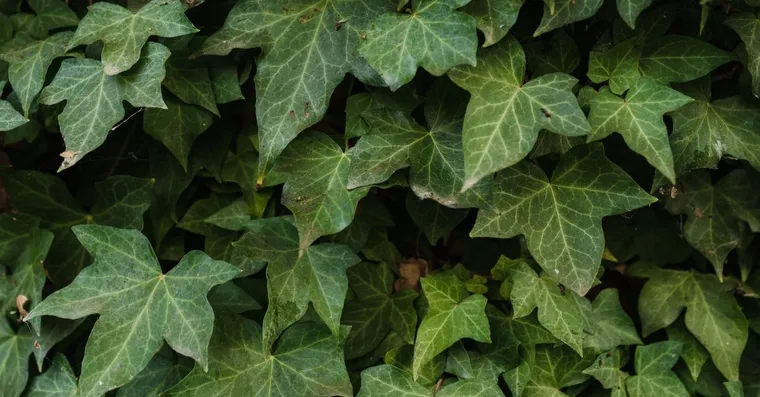
English Ivy Indoor Care: Light, Water, and Keeping It Off the Cat
English ivy grows fast indoors and is toxic to cats and dogs. Here is how to keep it healthy, keep it contained, and decide whether to keep it at all.
Not sure what plant you have? Identify it from a photo and we will point you at its care guide.
Frequently asked questions
Is a money tree toxic to cats and dogs?
Pachira aquatica is widely listed as non-toxic to cats and dogs, making it a practical choice for pet households. Our pet-safe houseplants guide covers a broader list of common species if you are building a collection.
Why are my money tree leaves turning yellow?
Yellow, soft leaves with soggy soil point to overwatering. Yellow leaves with dry soil suggest underwatering or low humidity. Bleached or faded yellow patches usually mean too much direct sun. Match the symptom to your conditions before acting.
How often should I water a money tree?
Water only when the top inch or two (3 to 5 cm) of soil have dried out. In a bright spot in summer that may be weekly; in winter it can stretch to two or three weeks. The lift test helps: a noticeably lighter pot than just after watering means it is ready.
How do I continue the braid on my money tree?
Wait until new stems are at least 12 inches (30 cm) long and still green and flexible. Loosely tie them with soft twine in the same spiral direction as the existing braid. Re-tie every 4 to 6 weeks as the stems thicken. Once a section turns woody, cut the tie and leave it. Never force a rigid stem.