9 Best Living Room Plants, From Statement to Easy
The best living room plants range from big floor-standing statement plants to easy shelf fillers. Here are nine to suit a bright, welcoming living room.
Some links in this guide go to Amazon. As an Amazon Associate we earn from qualifying purchases, at no extra cost to you. How this works.
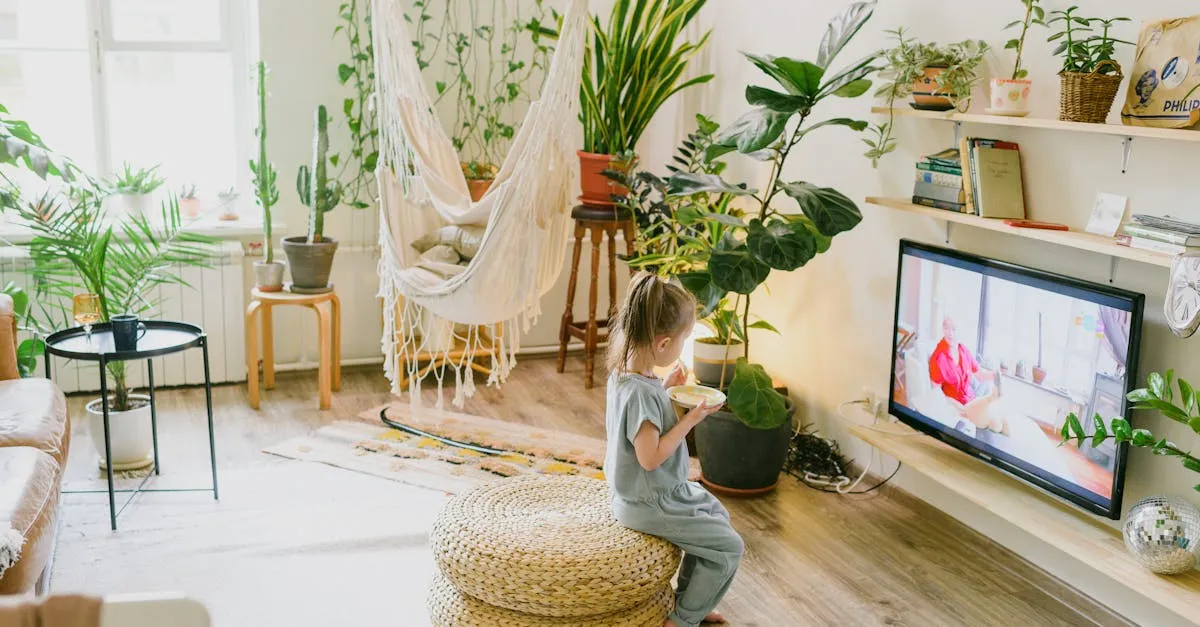
Few rooms ask as much of a plant as the living room. You want something with presence near the sofa, but also easy growers that fill a bookshelf or an awkward corner without fuss. This list runs from the big statement plants down to the no-effort fillers, so the harder, brighter-loving choices come first and the truly forgiving ones come last.
How these plants were chosen
The best living room plants earn their place by matching a real spot in the room, not by looking good in a showroom. I have weighted three things: how the plant copes with average indoor light, how much attention it genuinely needs, and how well it fills the role you have in mind, whether that is a floor-standing focal point or a shelf filler. Statement plants reward a bright position and regular care; the easy growers tolerate neglect and lower light, which is why most living rooms need a mix. Where a plant is toxic to cats and dogs, I have said so plainly, because the living room is where pets spend their time.
The nine plants, from statement to filler
Monstera deliciosa
Monstera deliciosa. This is the classic living room statement plant: big, glossy, split leaves that fill a corner within a couple of years. Give it bright indirect light and it will reward you with the fenestrations people buy it for; in a dim spot the new leaves stay small and solid. Water when the top inch or two (3 to 5 cm) of soil dry out, and give it a moss pole once it starts reaching. The honest caveat: it grows wide and wants space, and it is toxic to cats and dogs if chewed. See the Monstera deliciosa care guide for the detail.
Fiddle leaf fig
Ficus lyrata. The fiddle leaf fig is the showpiece everyone wants and many people kill. It needs the brightest spot you have, ideally right beside a large window, and it hates being moved or sat in a draft. Water consistently and wipe the big leaves so they can actually photosynthesize. Be honest with yourself before buying: this is the most demanding plant on the list, it drops leaves at the first sign of stress, and it is toxic to pets. The fiddle leaf fig care guide covers how to keep the drama down.
Rubber plant
Ficus elastica. A rubber plant gives you the upright, tree-like shape of a fiddle leaf fig with far less temperament. The burgundy and dark green varieties look striking against a pale wall, and it handles medium light better than its fussier cousin. Let the top of the soil dry between waterings, since the thick leaves store moisture and it resents soggy roots. The sap is a mild irritant and it is mildly toxic to pets, so keep curious animals away from fallen leaves. Full notes are in the rubber plant care guide.
Bird of paradise
Strelitzia nicolai. For sheer height and tropical drama, the bird of paradise is hard to beat, with paddle leaves that reach well over head height indoors. Like the fiddle leaf fig, it pays for that presence with appetite: it wants the brightest, sunniest spot in the room and consistent watering through the growing season. Indoors it rarely flowers, so buy it for the foliage rather than the bloom and you will not be disappointed. It is toxic to cats and dogs. The bird of paradise care guide explains the light and dormancy side.
Dracaena
Dracaena spp. Dracaenas bridge the gap between statement and easy, offering tall, architectural foliage on a slim footprint that suits narrow corners. Most varieties cope with moderate light and irregular watering, which makes them far more forgiving than the floor plants above. The one quirk is water quality: they are sensitive to fluoride and chlorine, so brown leaf tips often trace back to tap water. They are toxic to pets. The dracaena care guide covers the tap-water fix.
Snake plant
Dracaena trifasciata. Now the heavy lifting begins. The snake plant is the one I reach for in a dim corner where nothing else will grow, with stiff upright leaves that ask almost nothing of you. It tolerates low light, drought, and weeks of being ignored, so water it sparingly and let the soil dry out completely. The only reliable way to kill it is overwatering. It is mildly toxic to pets, but it is one of the toughest low-light houseplants you can buy, with care detail in the snake plant care guide.
ZZ plant
Zamioculcas zamiifolia. The ZZ plant is the near-indestructible choice for a side table or a darker shelf, with waxy leaves that stay glossy on neglect. It stores water in thick rhizomes, so it shrugs off missed waterings and only suffers if you keep the soil wet. Almost any light short of full shade will do, which is why it survives in offices and hallways alike. It is toxic to pets if eaten. See the ZZ plant care guide.
If a corner gets little light and even less of your attention, a snake plant or a ZZ plant will still be alive next year.
Pothos
Epipremnum aureum. Pothos is the easiest filler here and the most flexible: train it up a shelf, let it trail from a high cabinet, or drape it along a mantel. It grows in low light and tells you clearly when it is thirsty by drooping, then perks up within hours of a drink. The marble queen and neon varieties add color without adding difficulty. It is toxic to pets, so keep trailing vines out of reach. The pothos care guide has the watering rhythm.
Peace lily
Spathiphyllum. The peace lily rounds off the list with something the others lack: white flowers, on a plant that still tolerates lower light. It is the most expressive plant here, drooping dramatically when thirsty and recovering once watered, which makes it oddly easy to read. Keep it out of direct sun and it will rebloom on and off through the year. It is toxic to cats and dogs, so place it with care. The peace lily care guide explains the drooping.
What the room still has to provide
A living room plant lives or dies by where you put it, not by how it is marketed. The single most common mistake is buying a fiddle leaf fig or bird of paradise for a spot 10 feet (3 m) from the only window, then blaming the plant when it sulks. Match the plant to the light the corner actually gets, measured honestly rather than hopefully, and if your brightest spot is still dim, lean on the snake plant, ZZ, and pothos instead. For a room-by-room view of placement, the guide to where to place houseplants in your home is worth a read.
Start with one, not the whole list
If the room is new to you, buy a single forgiving filler like a pothos or ZZ plant first and live with it for a season before you commit to a statement piece. That one plant will show you how much light the corner really gets across the year, so when you do bring home a fiddle leaf fig or bird of paradise you are matching it to a spot you already understand rather than guessing. The statement plants will still be there in spring, which is the kindest time to settle a light-hungry new arrival anyway.
Where to go next
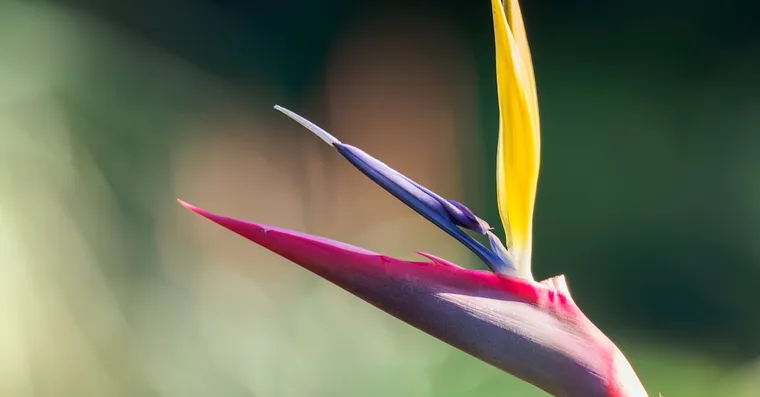
Bird of Paradise Care: Growing Strelitzia as a Houseplant
A care guide for the indoor bird of paradise, covering the bright light it demands, watering, and why it rarely flowers as a houseplant.

Asparagus Fern Care: Not a Fern, and It Has Thorns
Asparagus fern is not a fern, it is toxic to cats and dogs, and mature stems carry spines. Here is how to grow it and what to know first.
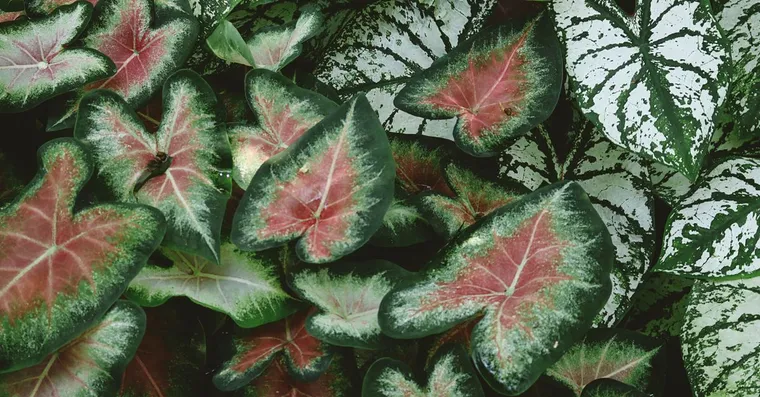
Caladium Care: Bright Leaves, Winter Dormancy, and Toxic Sap
Caladiums die back every winter and that is normal, not failure. Here is how to grow the tubers indoors and why they need care around pets.
Not sure what plant you have? Identify it from a photo and we will point you at its care guide.