Fiddle Leaf Fig Care Without the Drama
Fiddle leaf figs have a fussy reputation. Most of it comes down to two things: consistent light and consistent watering.
Some links in this guide go to Amazon. As an Amazon Associate we earn from qualifying purchases, at no extra cost to you. How this works.
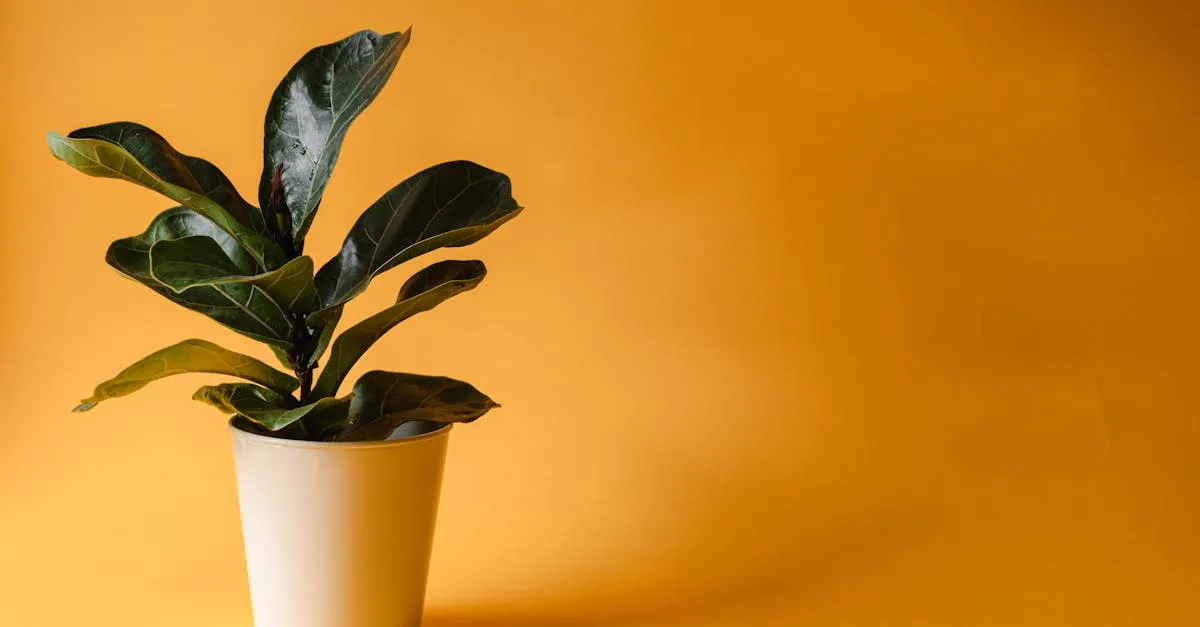
The fiddle leaf fig has a reputation for being difficult, but most of that reputation comes from one habit: people change things. They move the plant, they water on an unpredictable schedule, they react to every dropped leaf. A fiddle leaf fig is not fragile so much as it is honest, and it will tell you, slowly and visibly, when its conditions keep shifting. Give it a stable spot and a steady routine, and it is far less dramatic than the internet suggests.
Buying one without bringing home a problem
Most fiddle leaf fig trouble is bought, not caused. Before you pay, run four quick checks in the shop.
- Lift the pot. A pot that feels heavy and waterlogged has likely been sitting wet, with roots that may already be rotting. You want it balanced, not sodden.
- Check for a drainage hole. Plants in a sealed decorative pot with no hole have often been overwatered for weeks. If there is no hole, plan to repot soon.
- Inspect the newest top leaf. This recent growth is the clearest sign of health: it should be firm, evenly colored, and unblemished. Brown patches or limpness up top mean an ongoing problem, not an old injury.
- Turn a few leaves over. Scan the undersides and leaf joins for webbing, tiny moving dots, or sticky residue. Pests hide here, and you do not want to bring them home to your other plants.
On form, a branched plant looks fuller immediately but costs more and grows slowly from there. A single tall stalk is cheaper and can be shaped later, but stays a bare pole until you intervene.
Light: more than you think it needs
This is the single biggest reason fiddle leaf figs struggle indoors. They want bright light, and a lot of it.
- Best. Directly in front of a large south or west-facing window, or right beside an east-facing one. A few hours of gentle direct sun is welcome.
- Workable. A very bright room with the plant within 3 feet (1 m) of the glass.
- Too dim. Across the room from a window, or in a north-facing space. The plant will hold on for months, then drop lower leaves and stop growing.
If you are not sure how your room measures up, How Much Light Does Your Houseplant Actually Need? will help you judge it honestly. This is not a low-light plant, and no amount of good watering will make up for a dark corner.
Watering: consistency beats any schedule
Fiddle leaf figs dislike both extremes, but they dislike change most of all. The aim is an even, repeating cycle.
Water thoroughly when the top 1 to 2 inches (3 to 5 cm) of soil have dried out. Pour until water runs from the drainage holes, then empty the saucer so the roots are not left sitting in it. Then wait, and check again with your finger rather than the calendar. In a bright spot this often lands around once a week, but light, pot size, and season all shift it.
The failure modes are predictable. Constant wetness leads to root rot, the most common way these plants die indoors. Repeated drought leaves the plant stressed and shedding leaves. Pick a checking rhythm and keep to it.
The first month after you bring it home
A new fiddle leaf fig almost always sulks, and telling which sulk you are looking at saves a lot of needless panic. When a new owner panics over two dropped leaves, Lucy Liu, at her London nursery, asks first where on the plant the damage is, because that location matters more than the count.
Acclimation drop is normal. In the first two to six weeks after a move, the plant adjusts to new light and may shed a few leaves. A couple of older leaves at the very bottom, with little other change, is a settling-in sulk: rebalancing, not dying, so keep the light and watering steady and leave it be. Leaves dropping from the top of the plant are the opposite signal.
A drop that starts months in is different. If leaves are still falling well after the settling-in period, or the plant worsens rather than levelling off, something is wrong. Recheck the light first, then the watering rhythm, then look for pests or wet soil. Timing is the clue: early shedding after a move is transition; later or worsening shedding is a problem to fix.
Brown spots and dropping leaves are different problems
These symptoms get confused constantly, and they point in different directions.
- Big, soft, dark brown spots down the center of a leaf usually mean overwatering or root rot. The spots spread and the leaf eventually drops. Lucy reads this kind of damage as a real problem to fix, not a sulk to wait out, so check whether the soil is staying wet for days.
- Dry, tan, crispy edges point to underwatering, very low humidity, or too much harsh sun. See Brown Leaf Tips for the full breakdown.
- Leaves dropping with little discoloration, especially lower ones, almost always means a change: a new location, a cold draft, or an erratic watering pattern.
- Leaves dropping from the top of the plant are a more serious signal than bottom drop. Healthy figs shed their oldest, lowest leaves; losing growth up top points to a real problem at the roots or in the light and watering, so work through those first.
- A soft, dark, or mushy base is a different signal again. Leaf spots are a foliage problem, but rot at the stem base or trunk means it has reached the core of the plant, and it is far more serious.
- Fine webbing in the leaf joins or undersides points to spider mites rather than a watering fault, especially in dry, warm air. Wipe the leaves down and isolate the plant before the mites spread.
A fiddle leaf fig drops leaves to protest change, so the fix is usually to stop changing things, not to do more.
Why moving it backfires
Fiddle leaf figs acclimatize slowly to their light and then commit to it. Move the plant and every leaf is suddenly getting the wrong amount of light, so it sheds and regrows to adjust. Choose its spot deliberately, away from heating vents, air conditioning, and cold-draft doors, then leave it there. The only rotation worth doing is a quarter turn every few weeks so it grows evenly toward the light.
Shaping it into a tree
Left alone, most fiddle leaf figs grow as a single unbranched stalk. For the classic branched tree shape you have two methods, both with honest limits.
Pinching is the gentler option. Snap off the top growing tip once the plant reaches a height you like, and it pushes out side shoots lower down. Low-risk, but you sacrifice height and the response can be slow.
Notching branches the plant without losing the top. Cut about a third of the way into the stem, just above a leaf node where you want a branch, to wake the dormant bud there. Be honest about the odds: notching works only about half the time, so cut at several nodes and expect some to do nothing.
Either way, fiddle leaf figs bleed a white, sticky sap when cut. It can irritate skin and eyes, so wear gloves and wash your hands afterwards. Shape in spring or early summer, when the plant is growing and most likely to respond.
Dusting, feeding, and repotting
Those large leaves collect dust quickly, and a dusty leaf absorbs less light. Wipe both sides with a damp cloth every few weeks, supporting each with your other hand.
Feeding. During spring and summer, feed with a balanced liquid fertilizer roughly monthly. See How to Fertilize Houseplants for amounts. Stop in autumn and winter.
Repotting. Repot every couple of years, or when roots circle the surface or escape the drainage holes. Go up one pot size only, and use a well-draining mix. How to Repot a Houseplant Without Killing It covers the steps.
Humidity. Average room humidity is fine. If your air is very dry, modest humidity measures help, but they matter far less than light and watering.
One note for households with animals: Ficus lyrata is mildly toxic if chewed, so check the pet-safe plant guide if that applies to you.
Will it recover?
A struggling fiddle leaf fig is often saveable if you judge it by the right signal. No new leaf for four to eight weeks does not mean it is finished; growth stalls while the plant rebuilds roots or waits out a season. Watch for fresh growth at the top, not the leaves lost.
The honest exception is rot at the base. If the lower trunk has gone soft and mushy, that plant will not come back, and waiting only loses you more of it. Cut a healthy section of stem above the damage and root it as a cutting, so you keep the plant going even when the base is gone.
What a settled fiddle leaf fig looks like
A settled plant pushes out a fresh leaf from the top every few weeks through spring and summer and holds the rest of its foliage steady, and that new top growth is your real progress marker, not the absence of any dropped leaf. The habit that undoes it is reacting to every wobble by shifting the pot or changing the watering, which simply restarts the adjustment the plant was already finishing. Choose the spot once, keep your finger-check on the same rhythm, and let the leaves at the top tell you it is happy.
Where to go next
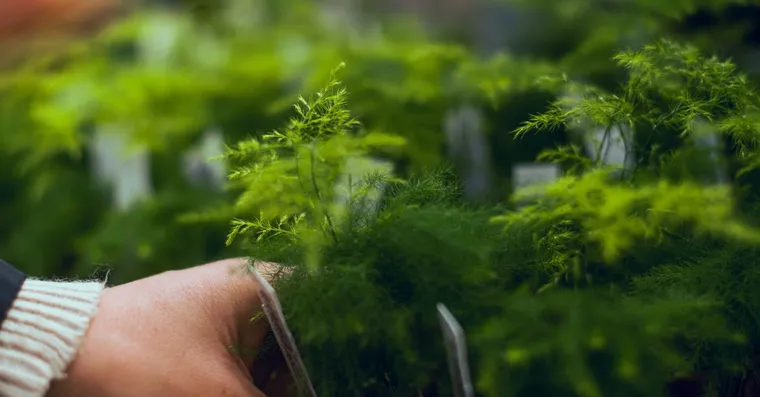
Asparagus Fern Care: Not a Fern, and It Has Thorns
Asparagus fern is not a fern, it is toxic to cats and dogs, and mature stems carry spines. Here is how to grow it and what to know first.
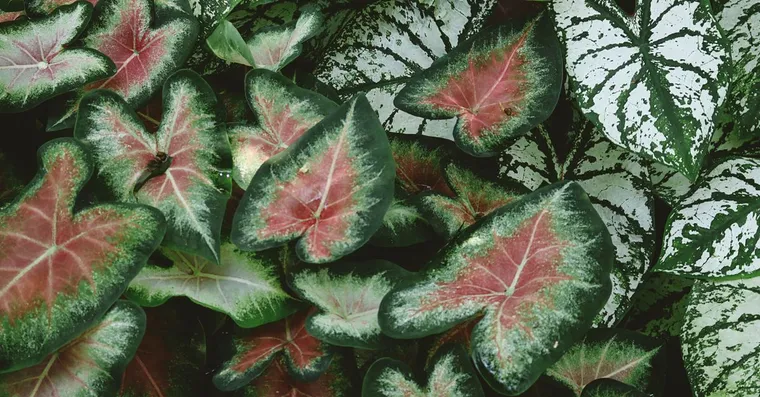
Caladium Care: Bright Leaves, Winter Dormancy, and Toxic Sap
Caladiums die back every winter and that is normal, not failure. Here is how to grow the tubers indoors and why they need care around pets.
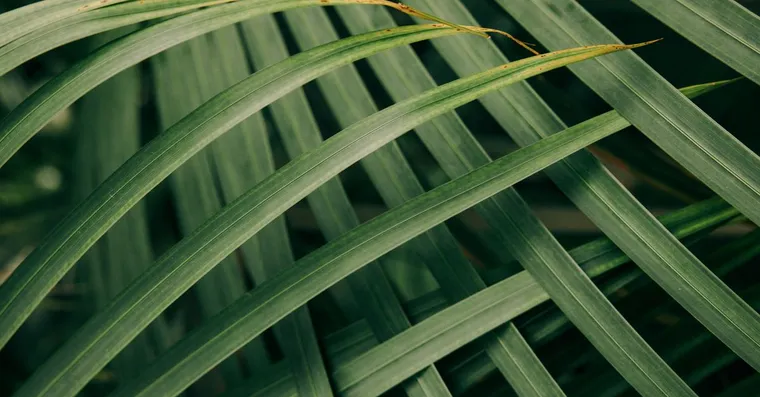
Majesty Palm Care: Light, Water, and Why It Browns
Majesty palms are sold as easy indoor palms and are not. They want more light, more water, and more humidity than a living room usually offers.
Not sure what plant you have? Identify it from a photo and we will point you at its care guide.
Sources
- Royal Horticultural Society (RHS), Ficus lyrata (fiddle-leaf fig) plant profile: sap classified as a skin and eye irritant; gloves recommended when handling.
- ASPCA, houseplant safety guidance: Fiddle Leaf Fig is mildly toxic to dogs and cats; small ingestions may cause mild gastrointestinal irritation.