Where to Place Houseplants in Your Home, Room by Room
A room-by-room guide to placing houseplants, matching each plant to the light, humidity, and temperature of where it will actually live.
Some links in this guide go to Amazon. As an Amazon Associate we earn from qualifying purchases, at no extra cost to you. How this works.
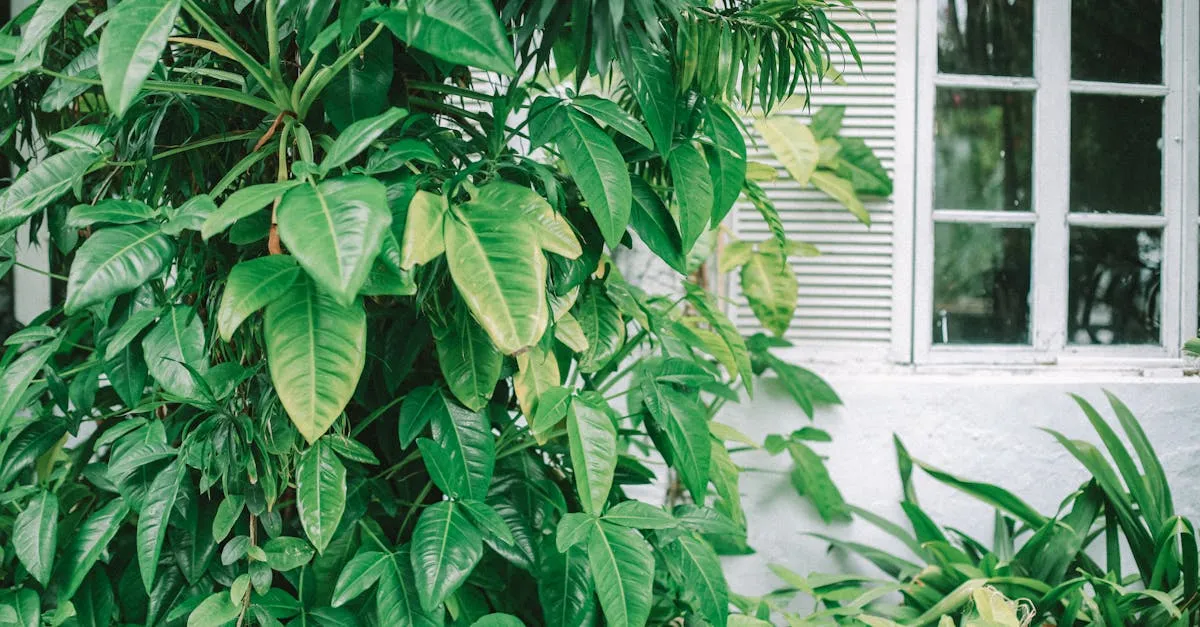
Walk into any room and you will probably already have a spot in mind for a plant: the empty corner, the shelf that needs softening, the bare windowsill. The honest answer to where to place houseplants in your home is that the plant should follow the light, not the decor. Pick the spot first and you will spend the next few months watching a healthy plant slowly fade. Pick the light first and almost everything else becomes easy.
Why light decides everything else
Light is the single factor that determines whether a plant lives or dies, and it outranks watering, humidity, and pot choice by a wide margin. A plant in the right light forgives a missed watering or a drafty week. A plant in too little light cannot photosynthesize enough to support itself, so it stretches, drops leaves, and rots at the roots because the soil stays wet for weeks. Watering does not fix a light problem. It usually makes it worse.
The hard part is that human eyes adjust to dim rooms and tell you they are brighter than they are. A spot that feels perfectly lit for reading can be deep shade as far as a plant is concerned. Before you commit a plant to a location, work out how much light actually reaches it: how close the nearest window is, which way it faces, and whether anything blocks it. Our guide to how much light houseplants need walks through judging this without a meter.
The prettiest spot in the room is almost always the darkest one, which is exactly why so many plants die there.
Bright windows and sunny sills
A windowsill or the floor right beside a south or west-facing window is the brightest real estate you have. Direct sun for several hours suits succulents, cacti, and most flowering plants, though even sun-lovers can scorch behind glass in summer. East-facing windows give gentle morning light that almost anything enjoys. This is the place for plants that demand the most, so do not waste it on a tolerant snake plant when a sun-loving plant would thrive there and a shade plant would burn.
Watch the distance. Light falls off fast as you move into the room. A plant 3 feet (1 m) back from a bright window gets a fraction of what a plant on the sill gets.
Dim corners and interior walls
That empty corner across the room is the hardest brief in the house. Be honest about it: it is low light, not medium, and most plants sold as “low light tolerant” merely survive there rather than grow. Reach for genuinely shade-tolerant species like a ZZ plant, a snake plant, or a pothos, and accept slow growth. If you love the look but the corner is truly dark, a grow light is the only honest fix. See our low-light plants that actually survive for the shortlist.
Bathrooms, bedrooms, and kitchens
Each of these rooms changes what a plant needs, but light still leads.
Bathrooms. Warmth and humidity suit ferns and calatheas, but only if there is a real window. A windowless bathroom is a dark box, and steam does not replace daylight. Match the plant to the light first, then enjoy the humidity as a bonus. See bathroom plants that thrive.
Bedrooms. Light is usually moderate and the room is often cooler, which most easy plants handle fine. The “plants steal your oxygen at night” worry is a myth: the amount is trivial and harmless. Pick something calm and low-fuss, as in our bedroom plant guide.
Kitchens. Often the brightest room thanks to large windows and pale surfaces, and the warmth and occasional humidity suit herbs and trailing plants on a countertop. Kitchen windowsill picks covers the candidates.
Working with the spot you have
Once light is sorted, the smaller factors fall into place. Keep plants away from radiators, heating vents, and the cold downdraft of single-glazed windows, since sudden temperature swings cause leaf drop. Trailing plants earn their keep on high shelves where floor space is tight. And if a plant clearly struggles after a few weeks, move it closer to the light before you change anything else. A new plant also needs a settling-in period, so give it two weeks before judging.
Match the plant to the light, not the spot
Before you buy anything, spend a day noticing how light actually moves through the room you have in mind, then choose a plant that suits the brightest honest spot rather than the prettiest one. Come autumn, when daylight drops sharply, expect to shuffle a few plants closer to windows or add a grow light, because the corner that worked in June will be too dim by November.
Where to go next
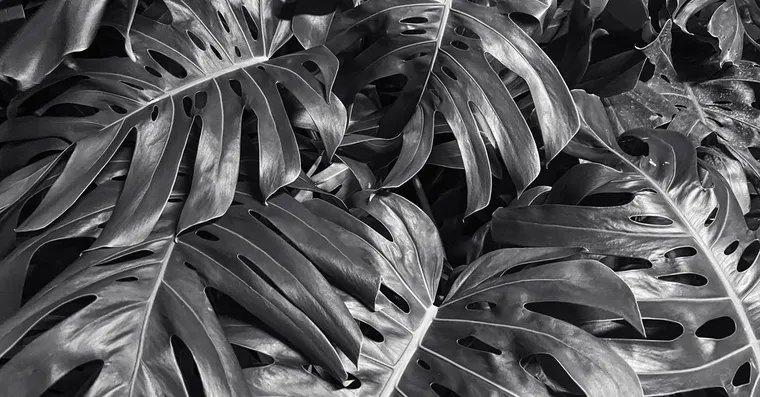
Why Isn't My Monstera Splitting? Fenestration Explained
New monstera leaves without holes or splits are almost always a sign of youth or too little light, not a disease you need to treat.
Best grow lights for indoor plants
A practical buying guide to grow lights for houseplants: which type to choose, what the specs actually mean, and when you do not need one at all.
Feng Shui Houseplants: Where to Place Them
How feng shui treats houseplants, which rooms and corners are said to suit them, and a practical, honest take on placing plants for a calmer home.
Not sure what plant you have? Identify it from a photo and we will point you at its care guide.