Houseplants for Kids: Easy Plants That Children Can Grow
The best houseplants to grow with children, what makes a plant child-friendly, and how to pick something engaging, safe, and hard to kill.
Some links in this guide go to Amazon. As an Amazon Associate we earn from qualifying purchases, at no extra cost to you. How this works.
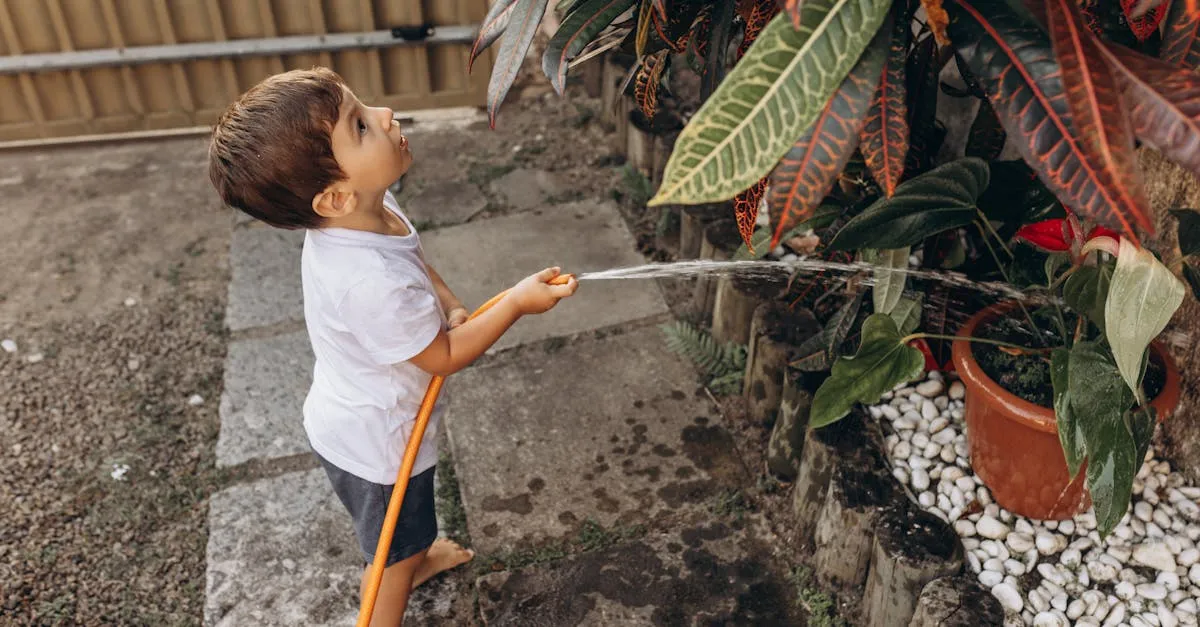
The best houseplants for kids are the ones that grow fast enough to hold a child’s attention, are almost impossible to kill, and are safe to touch and handle. A child does not need a fussy plant that rewards careful watering schedules. They need quick visible change and something they can call their own.
Quick answer
The best houseplants for kids grow fast enough to hold a child’s attention, survive missed waterings, and are safe to touch. A spider plant is the strongest first choice: it grows quickly, is non-toxic to people and pets, and throws out baby plantlets children can pot up. A pothos cutting grows visible roots in a glass of water within a week or two, but it is mildly toxic if chewed, so it suits older children. For toddlers who put everything in their mouths, skip oxalate plants like pothos, philodendron, and peace lily, and keep milky-sap plants such as rubber plants out of reach.
What makes a plant good for a child to grow
Four things matter, roughly in this order.
Speed. Children lose interest in anything that looks the same week after week. A plant that grows visibly, sends out a new shoot, or roots in front of them keeps them coming back.
Tactile appeal. Plants that are interesting to touch, smell, or handle pull a child in more than a plant that just sits there looking nice.
Forgiving. The whole point is that a child can be the carer without an adult fixing things every time. The plant has to survive forgotten waterings and the occasional flood.
Safe. It should be non-toxic or at least non-irritating at the level of contact a child will actually have with it.
The best houseplants for kids
Spider plant. The strongest first plant for a child. It grows quickly, copes with uneven watering, and throws out long runners with baby plants on the ends that kids love to spot and pot up. It is non-toxic to people and pets. See spider plant care for the basics.
Pothos. Almost impossible to kill, and a cutting placed in a glass of water grows visible roots within a week or two, which is satisfying to watch. The catch: pothos contains oxalate crystals and is mildly toxic if chewed, so it suits older children who understand that plants are not for eating. Our pothos care guide covers it.
Mint or basil. Buy a supermarket pot, split it, and let a child grow it on a windowsill. Herbs are fast, smell strong when you brush them, and end up in dinner, which closes the loop between care and reward. They are edible and safe to handle.
Sunflower. If there is an outdoor pot or a bright windowsill, a sunflower gives the most dramatic results of anything here. It goes from seed to a plant taller than the child in a single summer, with obvious change week to week.
Aloe vera. The thick, gel-filled leaves are an unusual texture, and the gel is genuinely useful on minor burns and scrapes. Aloe is not toxic, but the gel can irritate skin if a child squeezes large amounts out, so treat it as a look-and-occasionally-use plant rather than something to pull apart.
Easy succulents like echeveria. A rosette succulent tolerates the irregular watering a child will give it, and the shape and color are appealing. It will not grow fast, so pair it with something quicker. See succulent care for beginners.
What to avoid with young children
Plants with milky sap. Rubber plants, euphorbias, and similar plants leak a milky latex when a leaf or stem breaks. It irritates skin and eyes and is exactly the mess a young child will make. Keep these out of reach.
Plants with oxalate crystals, for the youngest. Pothos, philodendron, and peace lily contain calcium oxalate, which causes mouth and throat irritation if chewed. They are mildly toxic rather than dangerous, and they are fine for older children who know not to eat plants. For toddlers who put everything in their mouths, skip them. If a pet shares the home, cross-check your choices against a list of pet-safe houseplants too.
Why the plant matters less than the ownership
The honest reality is that the single best plant for a child is the one they feel is theirs. Naming it, choosing where it lives, and being the only person who waters it does more for a child’s sense of responsibility than any explanation you can give.
A plant a child checks on every morning teaches patience better than being told to be patient.
Fast-growing plants help because the feedback is quick: a new spider plant baby, a root in the water glass, a herb that needs picking. Pick something that visibly changes, hand over the watering can, and resist the urge to step in every time.
Let the first plant be theirs alone
The quickest way to lose a child’s interest is to quietly take over the watering the moment a leaf droops, so resist it even when the plant looks rough. Start them with a spider plant or a pothos cutting in a glass of water where the change is visible within days, and let a missed watering be a lesson the plant recovers from rather than a job you finish for them.
Where to go next
Houseplants and Vastu: Where to Place Plants for Good Energy
A plain guide to placing houseplants by Vastu Shastra, which directions and rooms it favours, with an honest note on what the tradition actually promises.
Why Are Houseplants So Popular Right Now?
A look at why houseplants exploded in popularity, from real wellbeing benefits and small space living to social media, and what is hype versus genuine.
8 Best Houseplants to Give as Gifts
The best houseplants to give as gifts are easy to keep alive, widely loved, and often carry a bit of meaning. Here are eight that suit almost any recipient.
Not sure what plant you have? Identify it from a photo and we will point you at its care guide.
Frequently asked questions
What is the best houseplant for a child?
A spider plant. It grows quickly, copes with uneven watering, and is non-toxic to people and pets, so it survives both a forgotten week and a curious mouth. The runners are the real draw: long stems with baby plants on the ends that a child can spot and pot up themselves. Mint or basil split from a supermarket pot works nearly as well, because herbs grow fast, smell strong when brushed, and end up in dinner.
Is pothos safe for children?
For older children, yes. Pothos contains calcium oxalate crystals and is mildly toxic if chewed, causing mouth and throat irritation rather than real danger, so it suits a child old enough to understand that plants are not for eating. For toddlers who put everything in their mouths, skip it, along with philodendron and peace lily. The appeal is that a cutting in a glass of water grows visible roots within a week or two.
Which houseplants should I keep away from toddlers?
Two groups. Plants with milky sap, such as rubber plants and euphorbias, leak a latex that irritates skin and eyes whenever a leaf or stem breaks, and a young child will break one. Keep those out of reach. Plants with calcium oxalate crystals, meaning pothos, philodendron and peace lily, cause mouth and throat irritation if chewed. Those are mildly toxic rather than dangerous and fine for older children, but skip them for toddlers.
Which houseplants grow fast enough to hold a child's interest?
Speed is what keeps a child coming back, and three plants deliver it. A pothos cutting in a glass of water grows visible roots within a week or two. A spider plant throws out runners with baby plants on the ends. A sunflower, given an outdoor pot or a bright windowsill, goes from seed to taller than the child in a single summer. Pair a slow plant like an echeveria with one of these rather than starting on it.