Houseplants and Allergies: What Helps and What to Avoid
Houseplants rarely trigger allergies the way people fear, but damp soil and a few specific plants can. Here is how to keep a low-allergen indoor garden.
Some links in this guide go to Amazon. As an Amazon Associate we earn from qualifying purchases, at no extra cost to you. How this works.
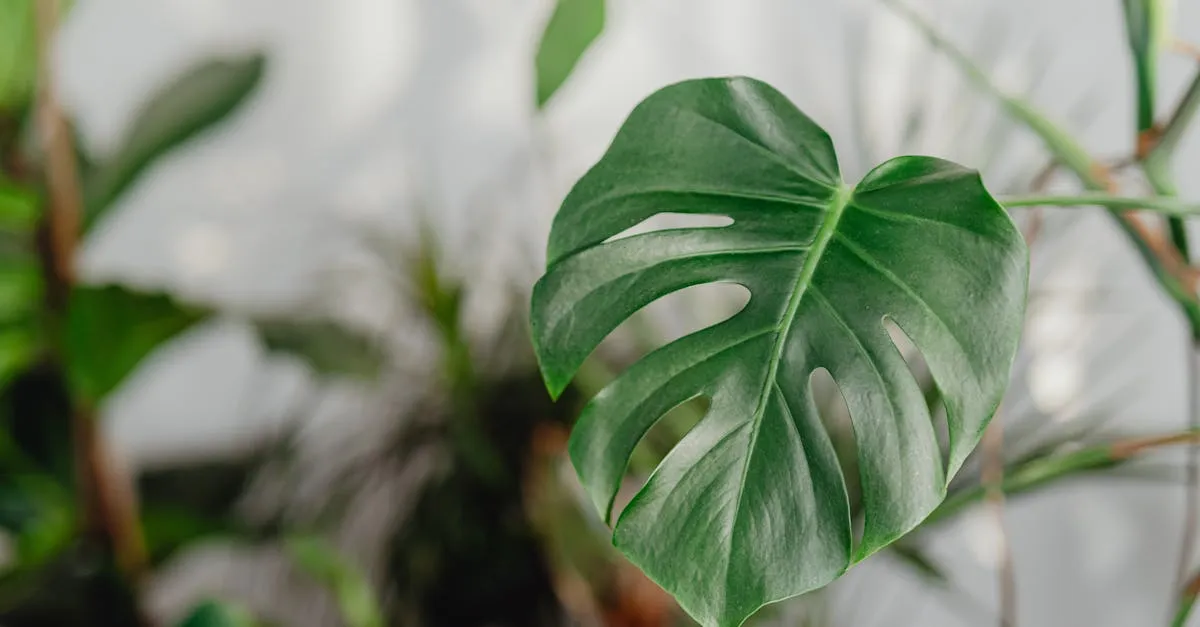
If you have hay fever or asthma, you have probably wondered whether the plants on your windowsill are helping or quietly making things worse. The honest answer: most common houseplants are not a meaningful allergy trigger, because they rarely flower heavily indoors and so release little pollen. The real risk usually is not the plant at all. It is the damp soil it sits in.
Why most houseplants are not a pollen problem
Pollen allergies are driven by plants that broadcast large amounts of light, airborne pollen, mainly wind-pollinated grasses, trees, and weeds outdoors. Foliage houseplants like pothos, snake plants, ZZ plants, and philodendrons are grown for their leaves and seldom bloom indoors. Even when they do, their pollen tends to be heavy and sticky, moved by insects rather than air, so very little reaches your airways.
This matters because allergy advice online often skips it. You will see lists of “allergy-causing houseplants” that name dozens of leafy species with no real evidence behind them. For most foliage plants in a normal home, the pollen exposure is negligible.
The real culprit: mold in damp soil
The genuine indoor risk is fungal. Chronically wet or overwatered potting mix is a comfortable home for mold, and mold spores are a well-established trigger for allergic rhinitis and asthma. A pot that never dries out, sits in a saucer of standing water, or grows a white crust on the surface is the thing to worry about, not the leaves above it.
Two related signs point to the same problem:
- Fungus gnats. Those small flies hovering around your plants breed in persistently moist soil. They are a reliable signal that your watering is too heavy. See Fungus Gnats: How to Get Rid of Them for Good.
- Sour or musty smell. Soil that smells off is usually waterlogged and may be developing rot. How to Save an Overwatered Plant, Step by Step covers the fix.
How to keep plant soil low-allergen
Most of the work here is just good watering habits.
- Let the topsoil dry. Water only when the top 3/4 to 1 inch (2 to 3 cm) feel dry. This single change does more than any other to discourage mold and gnats.
- Empty the saucer. Tip away water that drains through within thirty minutes. Pots should never sit in standing water.
- Use a top dressing. A 3/8 inch (1 cm) layer of fine gravel, horticultural grit, or aquarium sand over the soil keeps surface spores down and blocks gnats from laying eggs.
- Choose pots with drainage holes. Sealed decorative pots trap water at the base where you cannot see it.
- Repot tired, compacted mix. Old soil that stays soggy holds more fungal growth. Fresh, well-draining mix breathes better.
If a pot stays wet for more than a few days at a time, treat that as the allergy problem, not the plant.
Dust, leaves, and air
Plant leaves collect household dust, which carries dust mite debris and other allergens. Wipe broad leaves with a damp cloth every couple of weeks. This will not “purify” your air in any measurable way, and you should be skeptical of claims that it does, but it does keep a settled-dust surface clean. For the wider question of air quality, Do Houseplants Actually Purify the Air? sets out what the evidence really supports.
Plants worth avoiding if you are sensitive
A small number of plants are reasonable to skip:
- Weeping fig (Ficus benjamina). Its sap and shed particles are a documented contact and respiratory allergen, particularly for people with frequent exposure. Of the figs, this is the one to think twice about.
- Heavy or fragrant bloomers. Plants kept specifically for flowers, and strongly scented ones, produce more pollen and volatile compounds. If flowering plants reliably set you off, choose foliage instead.
- Anything you react to on contact. Sap from some species irritates skin. If a plant gives you a rash, that is reason enough to rehome it.
Low-risk plants to choose instead
For an allergy-prone home, lean towards tough foliage plants that rarely bloom and tolerate careful, infrequent watering: the snake plant, ZZ plant, heartleaf philodendron, and pothos. These thrive on a dry-between-waterings routine, which is exactly the habit that keeps soil mold down. They are also a good fit for beginners.
Watch the soil, not the leaves
The single move that protects an allergy-prone home is letting each pot dry on top before you water again, because that one habit shuts down the mold and gnats that actually trigger symptoms. Be especially careful in winter, when plants drink less but homes stay shut up and damp, so soil that felt fine in summer now stays wet for days. If a plant keeps you reaching for the watering can more than once a week, suspect your routine before you blame the species.
Where to go next
Houseplants That Add Humidity to Dry Indoor Air
Plants release moisture as they transpire. The effect is small per plant, but the right choices and grouping can take the edge off dry winter air.
Houseplants and Vastu: Where to Place Plants for Good Energy
A plain guide to placing houseplants by Vastu Shastra, which directions and rooms it favours, with an honest note on what the tradition actually promises.
Why Are Houseplants So Popular Right Now?
A look at why houseplants exploded in popularity, from real wellbeing benefits and small space living to social media, and what is hype versus genuine.
Not sure what plant you have? Identify it from a photo and we will point you at its care guide.