Houseplants That Add Humidity to Dry Indoor Air
Plants release moisture as they transpire. The effect is small per plant, but the right choices and grouping can take the edge off dry winter air.
Some links in this guide go to Amazon. As an Amazon Associate we earn from qualifying purchases, at no extra cost to you. How this works.
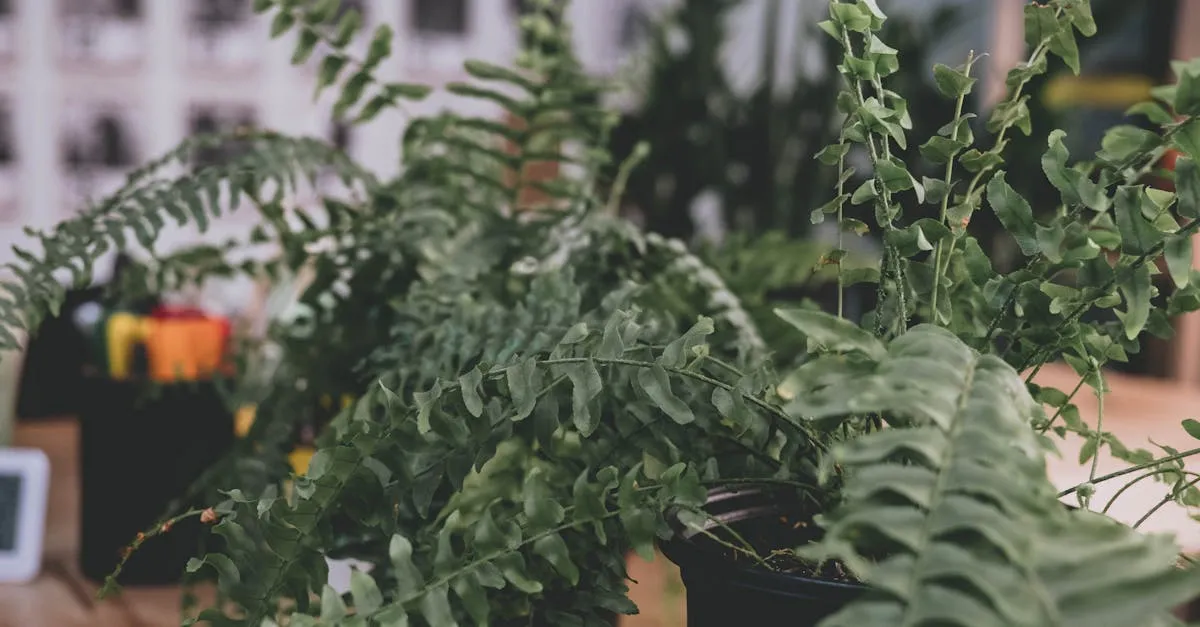
Dry indoor air is uncomfortable in a predictable way: tight skin, a scratchy throat, sinuses that feel raw, and static that crackles off every doorknob. Houseplants do release moisture into the air, so the idea of using them to fix this is reasonable. The honest version is that one plant on a windowsill will not move your hygrometer, but a cluster of well-chosen plants can make a small corner of a room feel measurably less dry.
How plants release moisture into the air
Plants draw water up through their roots and lose most of it through tiny pores in their leaves, a process called transpiration. The water evaporates into the air around the foliage, raising humidity in that immediate space. A plant is, in effect, a slow passive humidifier running on whatever you pour into its pot.
The catch is volume. A single medium houseplant might release a cup or two (a few hundred ml) of water vapor over a day, which disappears into the air of an average room almost without trace. Rooms are large, air moves, and heating systems strip moisture faster than one plant can add it. This is why a single plant rarely registers on a hygrometer. Studies that measure real humidity gains in offices get them from volume: one study needed eighteen Boston ferns in a room to lift relative humidity into the comfortable range.
What actually makes a noticeable difference
If you want a real local effect, the tactics matter more than the plant list. Ranked from most to least useful:
Group several plants together. A tight cluster of five or more plants creates a shared pocket of more humid air, because each plant’s transpiration overlaps with its neighbors’. The effect is local, strongest within half 3 feet (1 m) or so, which is why a grouped arrangement near a desk or reading chair works better than plants scattered around the room.
Choose large-leaved, fast-transpiring species. More leaf surface area means more water released. Big tropical foliage and ferns transpire far more than small, thick-leaved succulents.
Keep them well watered. A plant can only transpire water it has taken up. A drought-stressed plant closes its pores to conserve moisture, so it adds almost nothing to the air. Consistent watering keeps transpiration running.
Pair plants with a humidifier. For a whole room in a heated house, a humidifier does the heavy lifting. Plants then sit comfortably in that improved air and contribute at the margins. This combination is the only one that reliably holds a room at a comfortable 40 to 50 percent relative humidity through winter.
Plants that transpire the most
These release more water vapor than average, ranked roughly by output:
Large-leaved tropicals. A Monstera deliciosa or a mature peace lily carries a lot of leaf surface, and both transpire steadily when watered well. The fiddle leaf fig is another high-output choice once it has size.
Ferns. Boston ferns and similar species have huge combined leaf area split across many fine fronds, and they transpire heavily. They also want humidity themselves, which makes them a fair test: a thriving fern is a sign the air around it is doing its job.
Palms. Areca and parlour palms are reliable, steady transpirers and tolerate normal home conditions well.
Fast-growing trailers. A large, leafy pothos or heartleaf philodendron adds useful leaf area, especially trained up a pole.
Skip succulents and a snake plant for this purpose. They are built to lock water in, so they release very little.
A grouped corner of leafy, well-watered plants will not humidify your house, but it can make the chair beside it noticeably more pleasant to sit in.
Be honest about the health claims
It is worth separating comfort from medicine. There is reasonable evidence that very dry air aggravates dry skin and irritated airways, and that raising humidity into a comfortable range helps. There is no good evidence that houseplants alone lift a whole room’s humidity enough to treat any of that. Treat plants as a small, pleasant contributor, not a remedy. If your priority is humidity itself, the inverse problem is covered in the houseplant humidity guide, which lists the plants that need humid air and how to provide it.
Build the cluster where you actually sit
The mistake to avoid is spreading plants thinly across a room and expecting the hygrometer to move; it never will. Instead, group five or more leafy, well-watered plants within arm’s reach of your desk or reading chair, and when the heating goes on for winter, add a humidifier to hold the whole room steady. Done that way, the plants stop being a humidity fix you keep checking and become the pleasant part of air that is already comfortable.
Where to go next
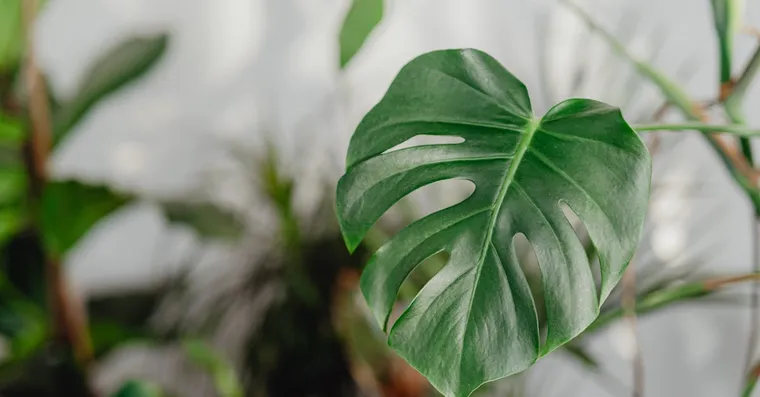
Houseplants and Allergies: What Helps and What to Avoid
Houseplants rarely trigger allergies the way people fear, but damp soil and a few specific plants can. Here is how to keep a low-allergen indoor garden.
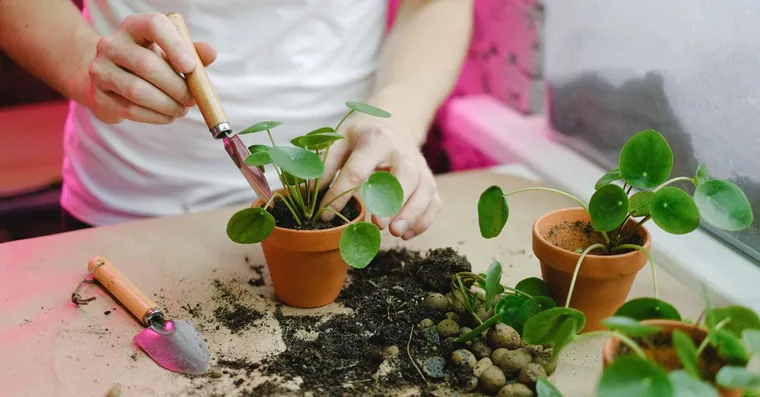
Houseplants and Vastu: Where to Place Plants for Good Energy
A plain guide to placing houseplants by Vastu Shastra, which directions and rooms it favours, with an honest note on what the tradition actually promises.
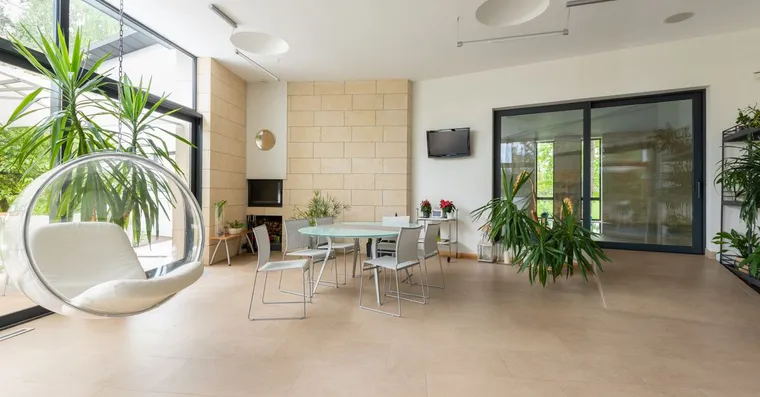
Why Are Houseplants So Popular Right Now?
A look at why houseplants exploded in popularity, from real wellbeing benefits and small space living to social media, and what is hype versus genuine.
Not sure what plant you have? Identify it from a photo and we will point you at its care guide.