Are Houseplants Actually Good for Your Health?
A clear, honest summary of what houseplants do and do not do for your health, from air quality and humidity to mood, sorting the real benefits from the hype.
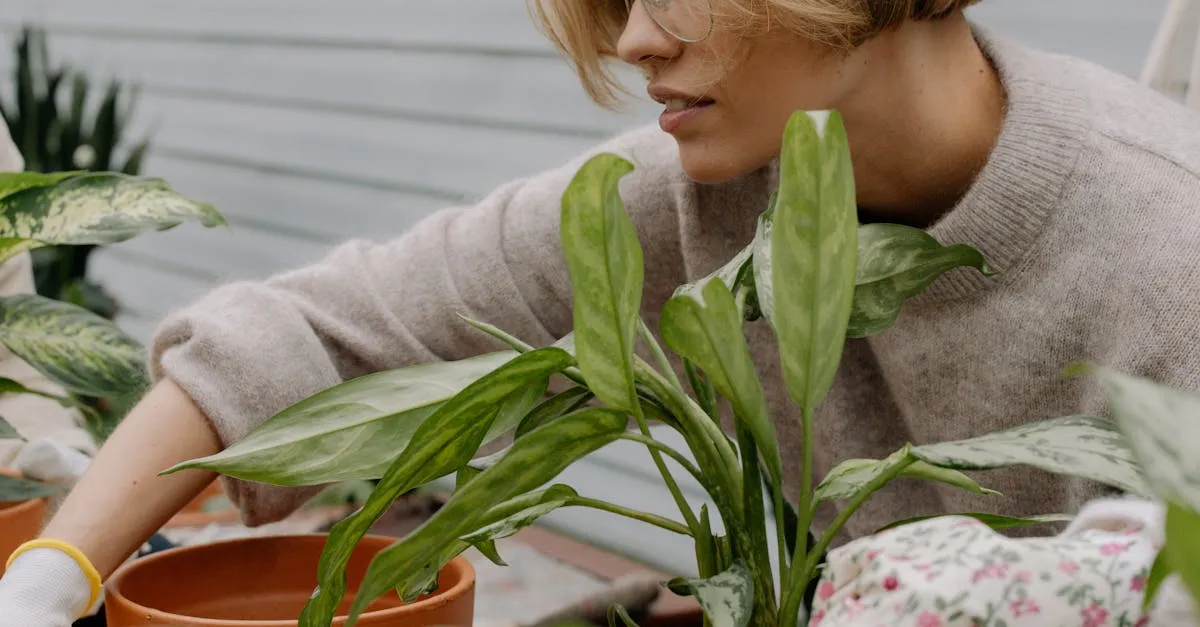
Houseplants are good for you, but probably not in the way the marketing suggests. The honest answer to whether houseplants are good for your health is yes, mildly: they lift mood, make a room feel calmer, and add a touch of humidity, while the famous air-cleaning claims do not hold up at the scale of a real home. Keep plants because you like living with them, and treat any health benefit as a bonus rather than the reason.
What the wellbeing research actually shows
The strongest evidence for houseplants is psychological, not physiological. Being around indoor greenery is linked to lower self-reported stress, better mood, and a greater sense of calm, especially in spaces you spend a lot of time in. (The numbers behind the field’s headline claims are gathered in our houseplant statistics reference, which also names the famous figures this site could not verify.) The effects are real but modest, and they overlap with other things that make a room feel good, like natural light and tidiness.
Stress and mood. Studies on indoor plants and tending to them point to small reductions in tension and a more settled feeling. This is the most reliable benefit, and it is why a plant on your desk or windowsill is worth having. See can houseplants reduce stress? and houseplants and mental health for the detail.
Focus and attention. A planted workspace can help you feel more comfortable and slightly more attentive, though the productivity claims are often overstated. Do office plants actually boost productivity? covers what is fair to expect.
The act of caring. Watering, pruning, and watching new growth gives a small, regular sense of routine and reward. For many people this is the real value, separate from any measured effect.
Are houseplants good for your health beyond mood?
This is where honesty matters. The benefits beyond wellbeing are smaller than most articles imply, and one famous claim does not survive scrutiny.
Humidity. Plants release water vapor through their leaves, so a cluster of them raises local humidity a little. In a dry, heated room this can take the edge off dry skin and a scratchy throat, but you need a fair number of plants grouped together to notice. A single pot will not change the room.
Air quality. The widely repeated idea that houseplants clean indoor air comes from a 1989 NASA experiment run in sealed chambers. At household scale, the effect is negligible: you would need dozens of plants per square meter to match opening a window for a few minutes. Plants are not air purifiers in any practical sense.
Keep plants because a room with them in it feels better to be in, not because they will measurably clean the air you breathe.
Where plants can work against you
For most people houseplants are harmless, but a few situations deserve a flag.
Allergies and damp. Overwatered soil can grow mold and attract fungus gnats, which can irritate sensitive airways. If you are prone to allergies, keep soil from staying soggy and read houseplants and allergies. If you keep plants in the bedroom specifically to support sleep, houseplants for a better night’s sleep covers which ones are worth considering and why.
Toxicity to pets and children. Common plants like peace lily, dieffenbachia, and pothos are mildly toxic if chewed. If you have animals or small children, choose pet-safe houseplants and place riskier ones out of reach.
How to actually feel the benefit
If you want plants to improve how a space feels, a few choices matter more than the species.
Put them where you spend time. A plant you see and touch daily does more for your mood than one tucked in a hallway. Where to place houseplants, room by room helps you decide. If you follow traditional placement principles, houseplants and Vastu looks at where to put plants for positive energy by room.
Start easy. Stress comes from a plant that keeps dying, not from one that thrives on neglect. Begin with a beginner-friendly houseplant so caring for it stays a pleasure.
Group a few together. Several plants in one spot give you more visual presence and a small humidity lift, and they are easier to water in one go.
Choose plants you will actually enjoy keeping
The mistake to avoid is buying a shelf of plants as air purifiers and then resenting the upkeep; the wellbeing lift comes from greenery you like looking at and find easy to keep alive, not from sheer numbers. Why houseplants are so popular right now puts some of the broader cultural momentum behind this into context. If your rooms run dry and overheated this coming winter, grouping a few plants together near where you sit is the one move that gives you both a noticeable humidity nudge and a calmer corner to spend time in. Start with one undemanding plant in a spot you pass every day, and add more only once caring for it feels like a small pleasure rather than a chore.
Where to go next
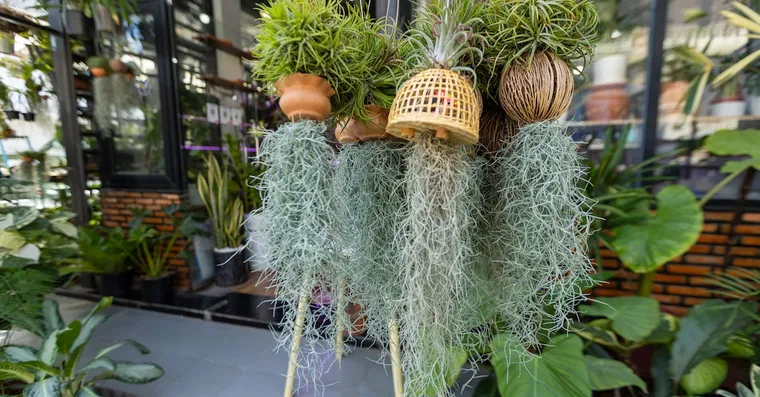
7 Best Air-Purifying Houseplants, and the Honest Truth
These seven plants top the air-purifying lists, but the honest truth is the effect in a real home is tiny. Here is what to grow and what to actually expect.
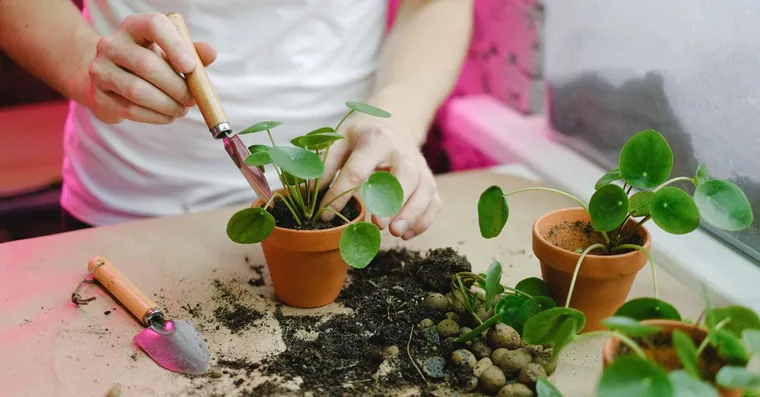
Houseplants and Vastu: Where to Place Plants for Good Energy
A plain guide to placing houseplants by Vastu Shastra, which directions and rooms it favours, with an honest note on what the tradition actually promises.
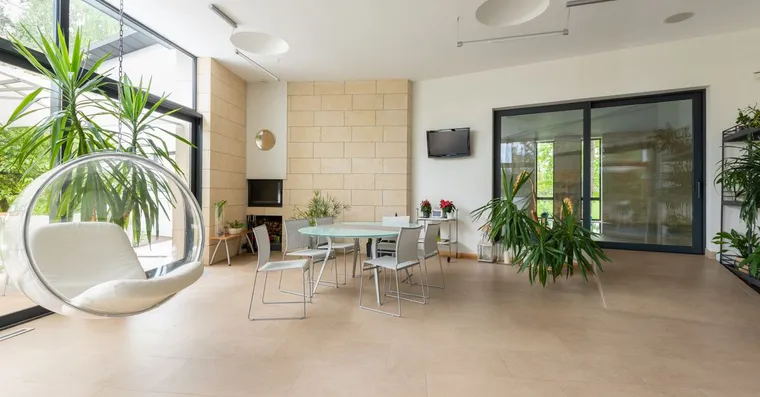
Why Are Houseplants So Popular Right Now?
A look at why houseplants exploded in popularity, from real wellbeing benefits and small space living to social media, and what is hype versus genuine.
Not sure what plant you have? Identify it from a photo and we will point you at its care guide.
Sources
- Wolverton, B. C., Johnson, A. & Bounds, K. (1989). Interior Landscape Plants for Indoor Air Pollution Abatement. NASA Technical Memorandum, John C. Stennis Space Center.
- Cummings, B. E. & Waring, M. S. (2020). Potted plants do not improve indoor air quality: a review and analysis of reported VOC removal efficiencies. Journal of Exposure Science & Environmental Epidemiology, 30, 253-261.
- Lee, M. S., Lee, J., Park, B. J. & Miyazaki, Y. (2015). Interaction with indoor plants may reduce psychological and physiological stress by suppressing autonomic nervous system activity in young adults: a randomized crossover study. Journal of Physiological Anthropology, 34, 21.
- Nieuwenhuis, M., Knight, C., Postmes, T. & Haslam, S. A. (2014). The relative benefits of green versus lean office space: Three field experiments. Journal of Experimental Psychology: Applied, 20(3), 199-214.
- Raanaas, R. K., Evensen, K. H., Rich, D., Sjostrom, G. & Patil, G. (2011). Benefits of indoor plants on attention capacity in an office setting. Journal of Environmental Psychology, 31(1), 99-105.