7 Best Air-Purifying Houseplants, and the Honest Truth
These seven plants top the air-purifying lists, but the honest truth is the effect in a real home is tiny. Here is what to grow and what to actually expect.
Some links in this guide go to Amazon. As an Amazon Associate we earn from qualifying purchases, at no extra cost to you. How this works.
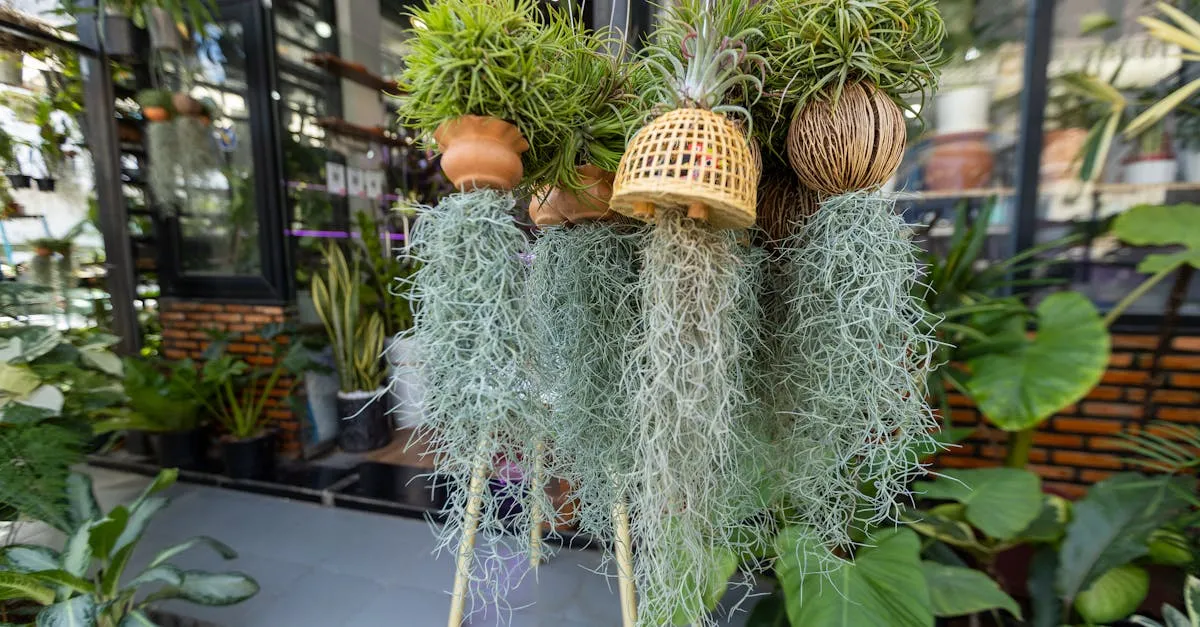
These are the plants that get sold as living air filters, and they are genuinely good houseplants. They are not, however, meaningful air purifiers, and this list explains why while still being worth growing. The order runs roughly from the most forgiving to the slightly fussier, so the earlier picks suit beginners best.
Before the list, the honest part. The reputation of the best air-purifying houseplants comes almost entirely from a 1989 NASA study that sealed single plants inside small airtight chambers and measured how fast they absorbed specific gases. That is a useful lab result, but your living room is not a sealed chamber. In a normal ventilated room, the air exchanges far faster than any plant can scrub it, and researchers since have estimated you would need dozens of plants per room, sometimes hundreds, to shift air quality in a way you could measure. Grow these because they are easy, calming, and pleasant to live with. For the full breakdown of the science, see do houseplants actually purify the air.
How these plants were chosen
Since the air-cleaning claim does not hold up at room scale, the real selection criteria are the ones that matter day to day. Each plant here is widely available, tolerant of indoor light, and forgiving of irregular watering, which is what makes it last. All seven also appeared in that original clean-air research, so if you came looking for the famous names, they are all present. Where it matters, the entries flag toxicity, because several of these popular plants are not safe around pets or small children.
The seven plants worth growing anyway
Peace lily
Spathiphyllum wallisii. A peace lily is one of the few plants on this list that flowers reliably indoors, and it tolerates low to medium light without complaint. It also tells you plainly when it is thirsty: the leaves droop, then recover within hours of watering, which makes it forgiving for anyone still learning a watering rhythm. Keep it out of cold drafts and water when the top of the soil feels dry. The caveat is toxicity, as the leaves contain calcium oxalate crystals that are harmful to cats and dogs, so place it out of reach. See the peace lily care guide for watering detail.
Snake plant
Dracaena trifasciata. The snake plant is the toughest option here and the one hardest to kill, which is why it tops most beginner lists. It copes with low light, dry air, and weeks of neglect, storing water in its stiff upright leaves. The single most common way to kill one is overwatering, so let the soil dry out fully between drinks and use a pot with drainage. It is mildly toxic to pets if chewed, though less dramatically so than some others. The snake plant care guide covers the watering balance in full.
Spider plant
Chlorophytum comosum. A spider plant grows fast, forgives mistakes, and sends out arching plantlets you can pot up for free new plants. It suits a hanging pot or a shelf where the babies can dangle, and it handles bright indirect light best. Water when the top inch or two (3 to 5 cm) dry out, and expect occasional brown tips if your tap water is heavily chlorinated. Crucially, it is non-toxic and safe around cats and dogs, which makes it the standout pet-friendly pick here. See the spider plant care guide for propagating the plantlets.
Pothos
Epipremnum aureum. Pothos is the trailing plant you see in every office for good reason: it grows in low light, in water or soil, and tolerates inconsistent care. The vines drape from a shelf or climb a pole, and you can trim and replant cuttings endlessly. Let the top of the soil dry before watering, since soggy roots are the usual failure. It is toxic to pets, so keep trailing vines off the floor where a curious animal might chew them. The pothos care guide has the full routine.
Dracaena
Dracaena fragrans and its relatives. Dracaenas are upright, architectural plants that handle medium light and add height without much fuss. They are sensitive to the fluoride and salts in tap water, which shows up as brown leaf tips, so filtered or rainwater keeps them looking their best. Let the top third of the soil dry between waterings. They are toxic to cats and dogs, so position accordingly. The dracaena care guide explains the tap-water problem in detail.
Rubber plant
Ficus elastica. The rubber plant earns its place on looks: glossy, deep green or burgundy leaves on an upright stem that becomes a small indoor tree over time. It wants bright indirect light and steady watering, and it dislikes being moved, often dropping leaves when you relocate it. Wipe the broad leaves occasionally so they can breathe and look their best. The milky sap is a skin irritant and mildly toxic if eaten, so handle pruning with care. See the rubber plant care guide.
English ivy
Hedera helix. English ivy trails or climbs and was one of the strongest performers in the original chamber study, though that lab edge does not carry to your home. It prefers cooler rooms and bright indirect light, and it is prone to spider mites in warm, dry air, so check the undersides of leaves regularly. Water when the top of the soil dries. Be warned that it is toxic to both pets and people, and it spreads aggressively outdoors, so keep it contained.
What actually improves your indoor air
If clean air is the real goal, ventilation does the heavy lifting that plants cannot. Open a window, run an extractor fan when cooking or showering, and use a HEPA air purifier if you are concerned about particulates or allergens.
Plants make a room feel better to be in, which is a real benefit, just not a filtration one.
A handful of greenery alongside good airflow gives you the calm without the false promise. Some plants are worth keeping in the bedroom for reasons beyond air quality; see houseplants for a better night’s sleep for which ones earn their place there. If you are sensitive to pollen or mold, read houseplants and allergies before filling a room, since damp soil can work against you.
Choosing between these seven
If you live with cats or dogs, let that decide first, because the spider plant is the only genuinely pet-safe option in this list. Start with one or two of the easy picks rather than filling a room in pursuit of cleaner air, since the filtration gain never arrives and the plant you enjoy living with is the actual reward. If you are curious about why houseplants are so popular right now or find yourself drawn to collect more than you planned, that pull has a reasonable explanation too; why houseplants are so addictive unpacks it plainly. Match it to the light and watering rhythm you really have, and it will quietly outlast anything you bought for its reputation.
Where to go next
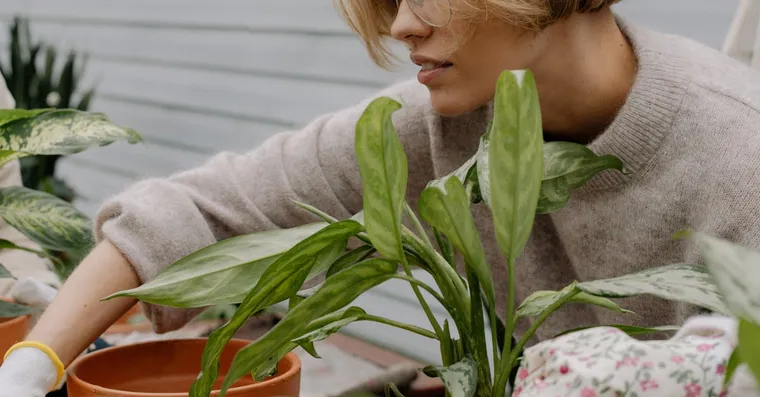
Are Houseplants Actually Good for Your Health?
A clear, honest summary of what houseplants do and do not do for your health, from air quality and humidity to mood, sorting the real benefits from the hype.
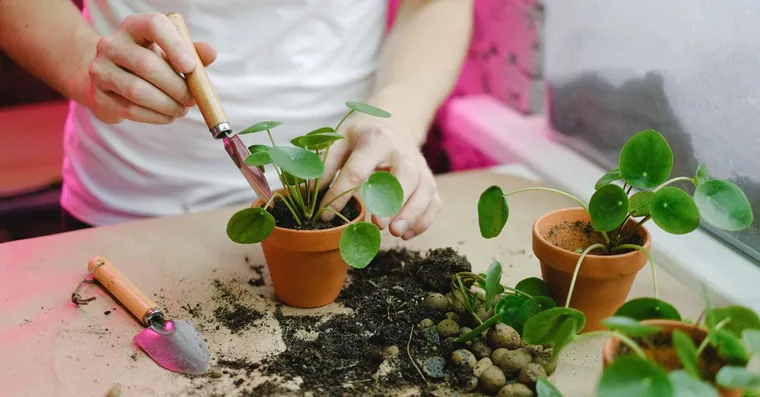
Houseplants and Vastu: Where to Place Plants for Good Energy
A plain guide to placing houseplants by Vastu Shastra, which directions and rooms it favours, with an honest note on what the tradition actually promises.
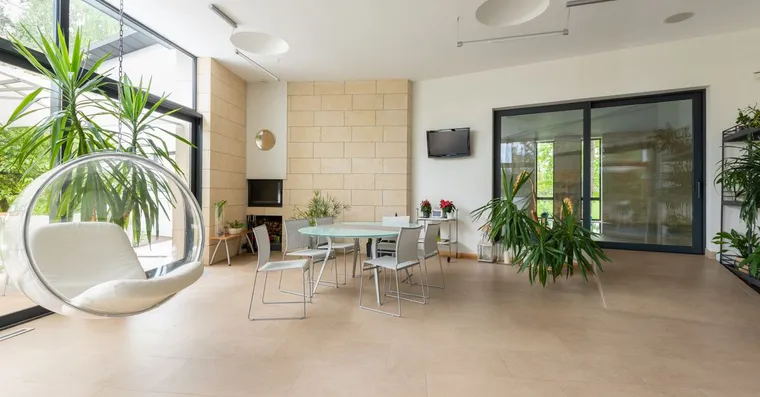
Why Are Houseplants So Popular Right Now?
A look at why houseplants exploded in popularity, from real wellbeing benefits and small space living to social media, and what is hype versus genuine.
Not sure what plant you have? Identify it from a photo and we will point you at its care guide.
Sources
- Wolverton, B. C., Johnson, A. & Bounds, K. (1989). Interior Landscape Plants for Indoor Air Pollution Abatement. NASA Technical Memorandum, John C. Stennis Space Center.
- Cummings, B. E. & Waring, M. S. (2020). Potted plants do not improve indoor air quality: a review and analysis of reported VOC removal efficiencies. Journal of Exposure Science & Environmental Epidemiology, 30, 253-261.