Why Houseplants Are So Addictive, and Why That Is Okay
A look at why collecting houseplants becomes a compulsive hobby, the psychology behind the urge, and how to enjoy it without overspending.
Some links in this guide go to Amazon. As an Amazon Associate we earn from qualifying purchases, at no extra cost to you. How this works.
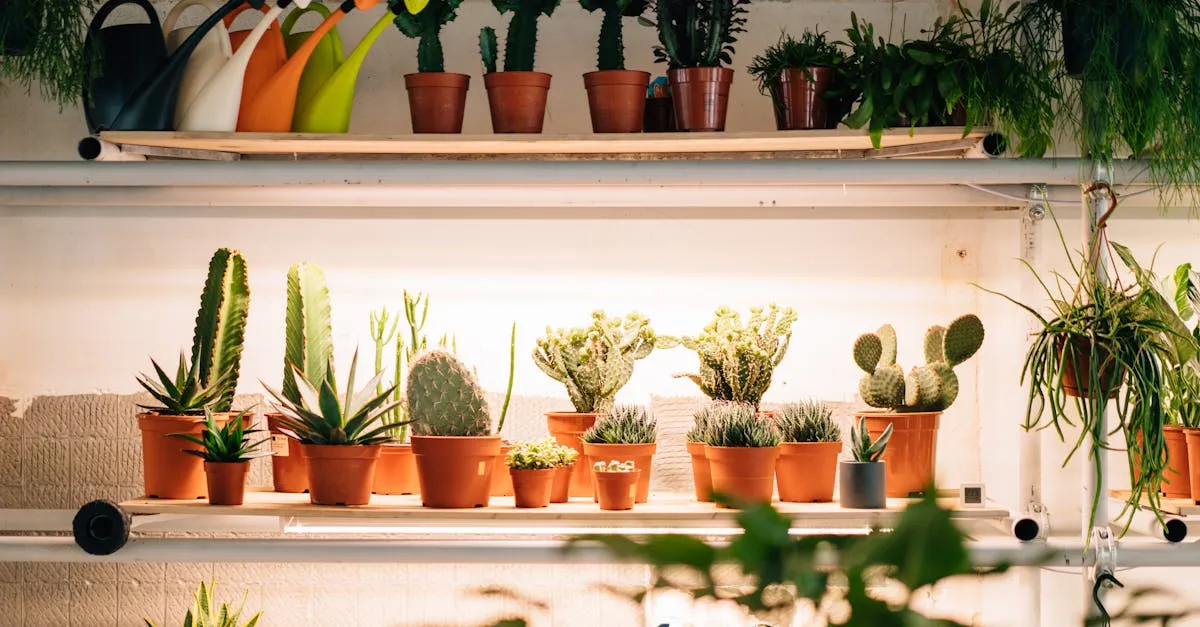
If you have ever wondered why are houseplants so addictive, the honest answer is that they tap into some of the oldest reward systems in your brain. Nurturing a living thing, watching it respond, and being rewarded with new growth is a loop that feels good for solid biological reasons. For most people this is a healthy, low-cost hobby, and it only becomes a problem if it starts to strain your budget or your space.
What makes the habit so easy to repeat
A few mechanisms stack on top of each other, roughly in order of how strongly they pull.
The nurturing instinct. Caring for something that depends on you is deeply satisfying. A plant gives you a small, manageable creature to look after, with none of the demands of a pet. Watering, repotting, and wiping leaves are gentle, repeatable acts of care, and finishing them leaves you feeling capable.
Variable rewards. A new leaf does not arrive on schedule. It might unfurl this week or in a month, and that uncertainty is exactly what makes checking on a plant compelling. Psychologists call this a variable reward, the same pattern that makes slot machines and social media sticky. With plants, the payoff is real growth rather than an empty screen.
Visible progress. Many parts of life give vague feedback. A plant does not. A propagated cutting that roots, or a Monstera that finally splits a leaf, is concrete proof that your effort worked. That sense of competence is genuinely motivating.
Collecting and variety. There are thousands of species, and each new one feels like a fresh puzzle to solve. The jump from a forgiving snake plant to a fussier calathea keeps the hobby from going stale.
Why are houseplants so addictive compared with other hobbies
Plants have a low barrier to entry and a slow, forgiving feedback loop. A cutting can cost nothing, a beginner-friendly plant survives weeks of neglect, and mistakes usually play out over days rather than seconds, so you have time to react. Compare that with hobbies that need expensive kit, a dedicated room, or instant skill, and it is clear why plants spread so easily through homes and friend groups.
There is also a quiet wellbeing payoff. Tending plants gives you a calm, screen-free task and a reason to slow down, and there is real evidence that it can help with everyday stress. That is a benefit, not a warning sign.
A hobby that asks for ten quiet minutes a day and gives back living proof of your care is one worth keeping.
When a healthy hobby tips into a problem
The honest line is simple: plant collecting is fine until it costs more money, space, or time than you actually have. Watch for these signals, in rough order of how common they are.
Budget strain. You are buying plants you cannot comfortably afford, or feeling guilty at the till. A useful habit is to propagate what you already own instead of buying, which scratches the same itch for free.
Space and light running out. You are crowding plants onto windowsills they have outgrown, or buying light-hungry species for a dim room where they will slowly decline. If you are propping up a struggling collection with grow lights, pause and ask whether you are solving a problem you created.
Care debt. You own more plants than you can realistically maintain, so several look neglected with yellowing leaves or pests. A collection you cannot keep healthy is not a richer hobby, just a stressful one.
Buying to chase a feeling. If a purchase is mostly about the short hit of acquiring rather than wanting the plant itself, the reward loop is running you rather than the other way round.
None of this means you have a disorder. It means the hobby has outgrown its sensible limits, and the fix is practical: set a plant budget, cap your shelf space, and let propagation rather than purchases feed the collecting urge.
A myth worth correcting
Plant marketing often frames every purchase as self-care or air purification, which nudges you to buy more. Be clear-eyed here: the air-cleaning effect of houseplants indoors is very small. Buy plants because you enjoy growing them, not because an advert told you a jungle will fix your health.
Keep the reward loop working for you
The single habit that keeps this hobby affordable is reaching for the snips before the checkout: next time the urge hits, take a cutting from something you already own instead of buying another plant. A collection worth having is one you can keep healthy and afford, not the largest one on your street, so set a rough plant budget now and let rooting cuttings, rather than fresh purchases, carry you through the slower growing months.
Where to go next
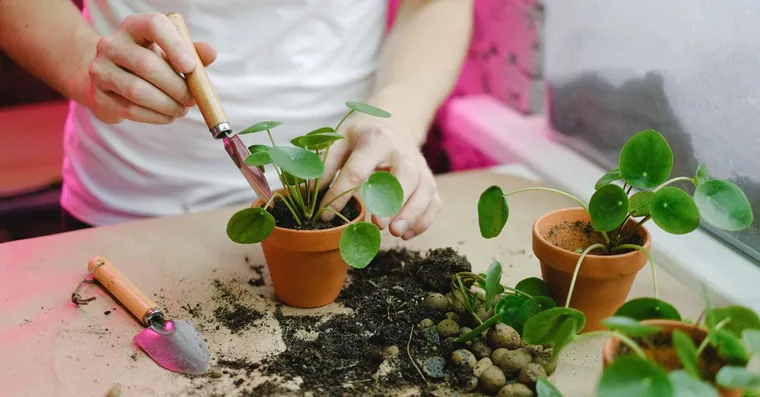
Houseplants and Vastu: Where to Place Plants for Good Energy
A plain guide to placing houseplants by Vastu Shastra, which directions and rooms it favours, with an honest note on what the tradition actually promises.
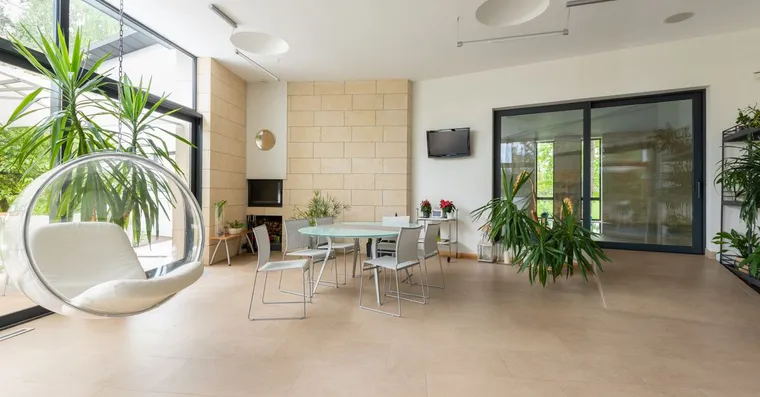
Why Are Houseplants So Popular Right Now?
A look at why houseplants exploded in popularity, from real wellbeing benefits and small space living to social media, and what is hype versus genuine.
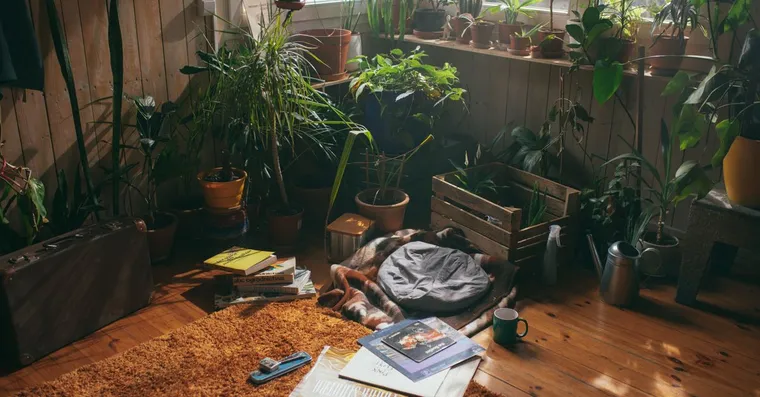
Houseplants for Anxiety: Which Plants Help and Why
Whether houseplants genuinely help with anxiety, what the evidence shows, which plants people find most calming, and how to use plants to create a calmer space.
Not sure what plant you have? Identify it from a photo and we will point you at its care guide.