How to Use Neem Oil on Houseplants (Without Killing Them)
What neem oil does for houseplants, how to mix and apply it correctly, which pests and fungal problems it treats, and the mistakes that harm leaves.
Some links in this guide go to Amazon. As an Amazon Associate we earn from qualifying purchases, at no extra cost to you. How this works.
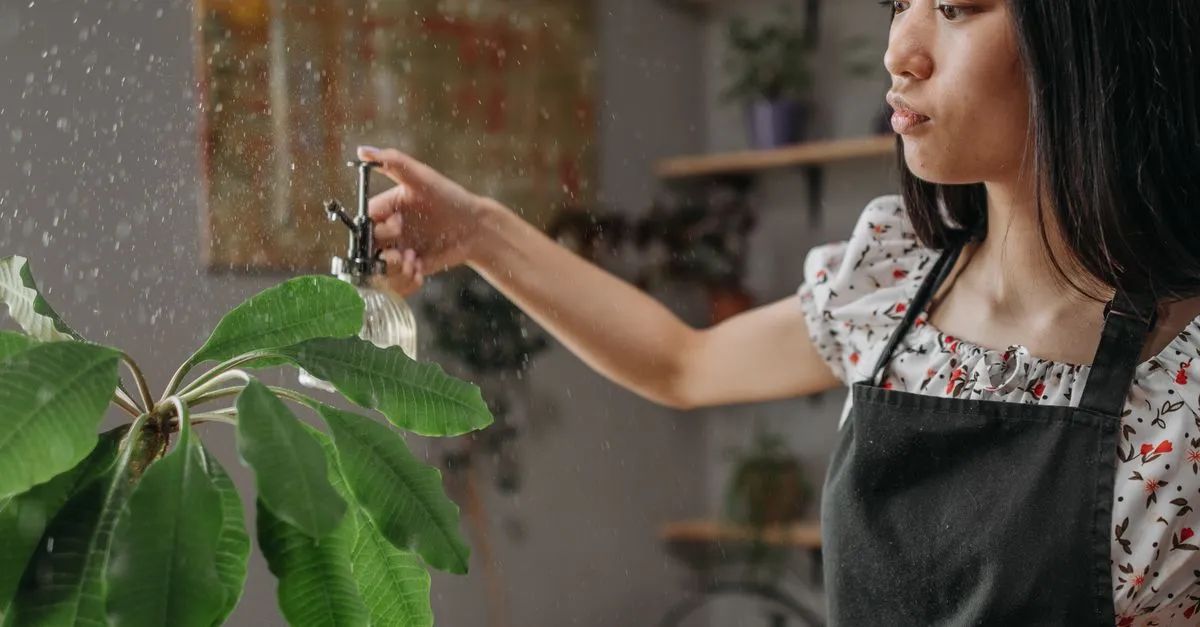
Neem oil for houseplants is a genuinely useful organic treatment, but it is a slow one, not a magic spray. It works over one to two weeks, rarely clears an infestation in a single application, and smells unpleasant indoors. Used correctly, though, it is one of the safer ways to deal with most soft-bodied pests and some fungal problems.
What neem oil actually does
Neem oil has two separate effects, and it helps to know which one you are relying on.
The active compound. Azadirachtin, the natural insecticide in neem, disrupts insect feeding and reproduction. Pests that ingest it stop eating properly and fail to breed, so the population collapses over a week or two rather than dying on the spot.
The oil film. The oil itself coats and smothers eggs and soft-bodied pests on contact. This part is mechanical, so thorough coverage matters more than chemistry.
What it treats well
Neem oil suits a specific set of problems and is wasted on others. From most to least reliable, it handles spider mites, mealybugs, aphids, scale crawlers (the young, mobile stage, not armored adults), and whitefly. It also helps with fungal issues such as powdery mildew.
If you are dealing with one of these, the full pest guides go deeper: spider mites, mealybugs, and aphids each have their own quirks, and powdery mildew is a fungus, so neem works as a preventive coating more than a cure.
How to mix neem oil for houseplants correctly
Most failures start at the mixing stage. Neem oil does not dissolve in water on its own, so it floats in useless globules unless you emulsify it.
Add an emulsifier. Mix a few drops of mild dish soap per quart (1 L) of water. The soap binds the oil into the water so the spray actually coats leaves evenly.
Use it at room temperature. Neem solidifies when cold. If yours has gone cloudy or thick, warm the bottle in a bowl of warm water before mixing.
Shake thoroughly, and shake again. The mix separates as you work, so agitate the bottle every minute or two while spraying.
Mix only what you need. Diluted neem breaks down within a few hours, so make a fresh batch each time rather than storing leftovers.
How to apply it without scorching leaves
The oil film that smothers pests can also cook leaves if you apply it in the wrong conditions.
Spray in the morning. This gives the leaves all day to dry before evening, when lingering moisture invites fungal problems.
Never spray in direct hot sun. Oil plus strong light plus heat scorches foliage. Move the plant out of a bright window first, or treat on an overcast day.
Cover the undersides of leaves. This is where spider mites and whitefly hide and lay eggs. A spray that only hits the tops misses most of the population.
Repeat every 5 to 7 days for 3 to 4 weeks. One pass kills what it touches but misses eggs that hatch later. The repeat schedule is what breaks the breeding cycle.
The schedule, not the strength, is what clears an infestation. Spray on time, three or four times, and let it work.
The honest reality
Neem oil is oversold, so set your expectations before you start.
It is not instant. Pests keep moving for days after a good spray. Results take one to two weeks to show, which is normal, not a sign it failed.
One application almost never works. Skipping the repeat sprays is the most common reason people decide neem is useless.
Heavy infestations need help first. On a badly colonized plant, wipe off or rinse away the bulk of the pests mechanically, then use neem to mop up what remains. Neem alone struggles against thick colonies. If you are unsure whether neem oil or a soap-based spray is the right tool for your situation, neem oil vs insecticidal soap lays out which works better for each pest type.
It smells. The odor is garlicky and sulfurous and lingers for a day or two indoors. Treat in a bathroom or porch if you can.
Treat it as a three-week commitment, not a spray
Before you mix the first batch, put the repeat dates in your calendar so you actually follow through, because the plants that recover are the ones sprayed on schedule rather than sprayed hardest. If the pests are still moving a few days in, stay the course instead of reaching for a stronger mix, and only judge it a failure once a full run of weekly sprays has passed with no change.
Where to go next
Neem Oil vs Insecticidal Soap: Which to Use on Houseplant Pests
When to reach for neem oil and when insecticidal soap works better, a pest-by-pest verdict, and how to use each one without scorching your plants.

How to Quarantine a New Houseplant (and Why It Matters)
Why every new houseplant should be isolated for a few weeks, what to check for, and how to quarantine a plant so one purchase does not infest your collection.
Mealybugs on Houseplants: How to Spot and Treat Them
Mealybugs look like specks of white cotton and spread fast. Isolate the plant, treat each cluster with rubbing alcohol on a cotton bud, and repeat weekly.
Not sure what plant you have? Identify it from a photo and we will point you at its care guide.