8 Best Houseplants for Small Spaces
The best houseplants for small spaces are compact, adaptable, and do not take over a room. Here are eight that suit flats, shelves, and tight corners.
Some links in this guide go to Amazon. As an Amazon Associate we earn from qualifying purchases, at no extra cost to you. How this works.
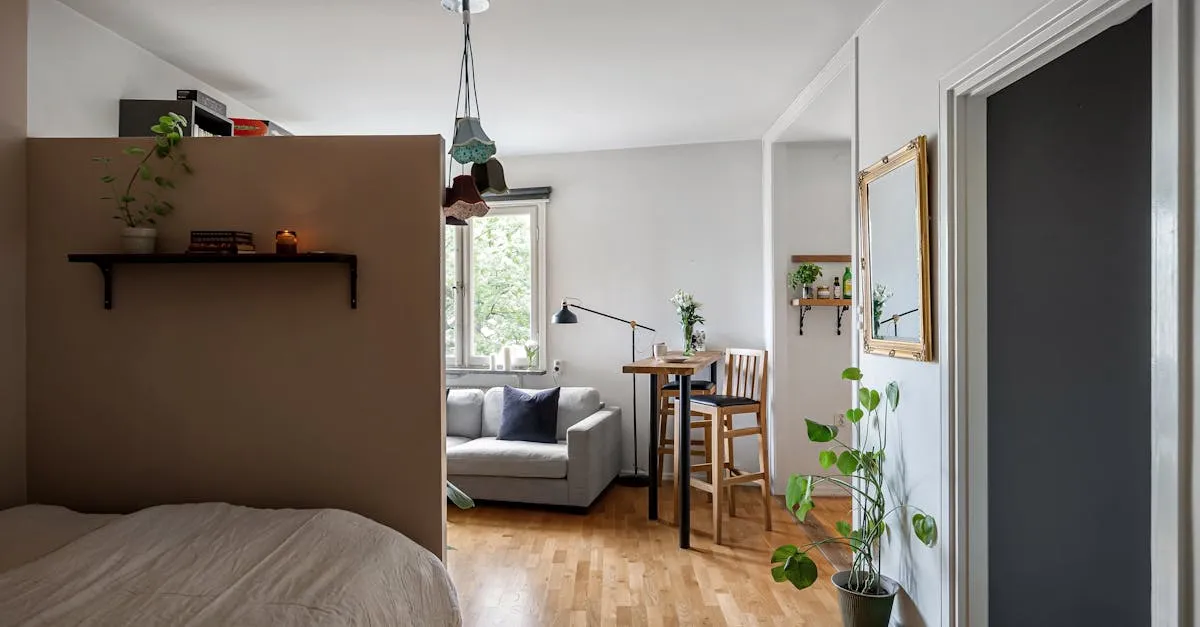
The best houseplants for small spaces share three quiet traits: they stay compact, they cope with the lower light of an apartment or a shaded corner, and they forgive the odd missed watering. The list below is ordered roughly from the most universally adaptable to the more specific, so the earlier picks suit almost any small room and the later ones reward a particular spot or habit.
How these plants were chosen
Most plants will fit a small space if you prune them and keep them in a small pot, because pot size drives much of the eventual size. So the real criteria here are not how big a plant gets in theory, but how it behaves on a shelf or windowsill week to week. Each pick tolerates lower light than a sunny border would offer, copes with irregular watering, and holds a growth habit that does not swallow a shelf in one season. We have included upright plants for narrow ledges, trailers for high shelves, and a few sculptural shapes that earn their footprint.
The best houseplants for small spaces, ranked
Snake plant
Sansevieria trifasciata. This is the most forgiving plant on the list and the easiest to keep narrow, since its leaves grow straight up rather than out. It suits a windowsill, a bookshelf, or a floor corner where a wider plant would block a walkway. Water it only when the soil is dry all the way through, roughly every two to three weeks, as it rots far more easily than it dries out. The honest caveat is patience and pets: it grows slowly, so buy the size you want, and it is toxic to cats and dogs if chewed. See the snake plant care guide for the full routine.
Pothos
Epipremnum aureum. Pothos trails or climbs, so it works on a high shelf where the vines hang down and use vertical space you were not otherwise filling. It is one of the few plants that genuinely tolerates low light, though variegated types fade towards plain green in deep shade. Let the top inch or two (3 to 5 cm) of soil dry between waterings, and pinch the tips back now and then to keep it full rather than straggly. The caveat is reach: a happy pothos can run 6 feet (2 m) in a year, so regular trimming is part of the deal, and the sap irritates pets and people. Our pothos care guide covers light, watering, and pruning in detail.
Pilea peperomioides
Pilea peperomioides. The Chinese money plant stays naturally small and tidy, forming a neat dome of round leaves on upright stalks that rarely outgrows a 5 inches (13 cm) pot. Its compact, sculptural shape makes it one of the best choices for a desk or a small windowsill. Give it bright, indirect light and turn the pot every week or two, as it leans hard towards the nearest window. It is non-toxic to cats and dogs, which is rare on this kind of list. The main caveat is light: in a dark spot the stems stretch and flop, so it needs a window, even if not a bright one. The Pilea care guide explains feeding and the offsets it produces.
Air plant
Tillandsia. Air plants grow without soil, so they take up almost no room and live in a bowl, a shell, or mounted on a small piece of wood. That makes them ideal for a space where every flat surface is already spoken for. The care note that matters most: soak them in water for twenty to thirty minutes about once a week, then turn them upside down to dry fully, since trapped water at the base rots the plant. They need bright, indirect light to thrive, so a dim interior shelf will slowly starve them. The air plant care guide walks through watering a plant that has no roots in soil.
String of hearts
Ceropegia woodii. This is a trailing plant with thin stems and small heart-shaped leaves that hang straight down, taking up vertical rather than horizontal space. Hung from a high shelf or a bracket, it adds length and softness without claiming any surface area. It stores water in its leaves and small tubers, so let it dry out well between drinks and treat it more like a succulent than a leafy houseplant. It does want good light to keep the leaves close together and well marked, and in shade the gaps between leaves stretch until the plant looks bare. It is generally regarded as pet-safe, though it does not appear in the ASPCA database, so keep it out of reach of curious animals as a precaution, and you can read the string of hearts care guide for propagation, which is very easy.
Peperomia
Peperomia. This is a large genus of small, slow-growing plants, most of which stay under 12 inches (30 cm) and never threaten to take over a shelf. The thick leaves hold water, so peperomias cope well with the irregular watering that small-space gardeners tend to give, and many tolerate lower light. Let the soil dry out before watering, and err towards too little rather than too much, as their shallow roots dislike sitting wet. They are non-toxic to cats and dogs, another point in their favor for an apartment. The peperomia care guide covers the main types and how to keep them compact.
ZZ plant
Zamioculcas zamiifolia. The ZZ plant grows in upright, arching stems, so it holds a tidy footprint and suits a narrow shelf or a low-light corner where little else survives. It stores water in thick underground rhizomes, which means it shrugs off weeks of neglect and is one of the most drought-tolerant plants you can buy. Water it only when the soil is dry through, and keep it out of strong direct sun, which scorches the glossy leaves. The caveat is pace and safety: it grows slowly, so buy a fuller plant if you want presence now, and all parts are toxic if eaten. See the ZZ plant care guide for the full picture.
Christmas cactus
Schlumbergera. This one earns its place for a specific reason: it stays small, flowers in winter when little else does, and trails gently over the edge of a pot or shelf. It is the most particular pick on the list, which is why it sits last. Keep it in bright, indirect light and water when the top of the soil feels dry, more often than you would a desert cactus, as this is a forest plant used to humidity. To get it to bloom, it needs cool nights and long darkness in autumn, so an unheated room or a spare windowsill helps. It is non-toxic to pets, and the Christmas cactus care guide explains how to trigger flowering each year.
The real trick is the pot and the secateurs
The honest reality is that almost any houseplant can be kept small, so do not rule out a plant just because the label says it can reach 6 feet (2 m). Pot size is the biggest lever you have: a plant in a small pot stays small, because its roots are constrained, while the same plant potted up repeatedly will keep growing. A plant worth considering for a desk or shelf is oxalis triangularis, whose purple, clover-like leaves fold at night and stay naturally compact in a small pot.
A small pot and a regular trim will keep almost any plant on a shelf; the real question is not whether it fits, but whether it gets enough light.
The second lever is pruning. Trimming the longest stems two or three times a year keeps a plant dense and within bounds, and the cuttings often root for free, so see how to prune houseplants for where to cut. If your room is genuinely dark, start with the best low-light houseplants, and think about placement before you buy, since where you put a plant matters more than which plant you chose.
Buy for the light you have, not the plant you want
The single mistake that undoes a small-space collection is choosing on looks and then forcing the plant into a corner that cannot feed it, so check how much light a spot actually gets before you commit to anything past the snake plant or pothos. Start with one upright plant for a narrow ledge and one trailer for a high shelf, then add a third only once you have watched the first two through a winter. Resist the urge to fill every surface; three plants that are clearly thriving read as calm, while eight that are struggling just make a small room feel cluttered.
Where to go next
Tall Houseplants Safe for Cats: Beyond the Usual Palm List
Seven tall houseplants that are genuinely safe for cats per the ASPCA list, including several that are not palms, with honest notes on size and difficulty.
Why Are Houseplants So Expensive, and Are They Worth It?
Why houseplants cost so much: rarity, slow propagation, variegation, size, and hype. When the premium is worth paying, and how to buy well without overpaying.
The Best Time to Buy Houseplants (and When to Hold Off)
When to buy houseplants for the best choice and the safest start, why spring and summer beat winter, and how to buy in cold weather without shocking a plant.
Not sure what plant you have? Identify it from a photo and we will point you at its care guide.