Pilea Peperomioides Care: The Chinese Money Plant
How to care for a pilea peperomioides, the coin-leaf Chinese money plant, with light, watering, and how to harvest the offsets it pups freely.
Some links in this guide go to Amazon. As an Amazon Associate we earn from qualifying purchases, at no extra cost to you. How this works.
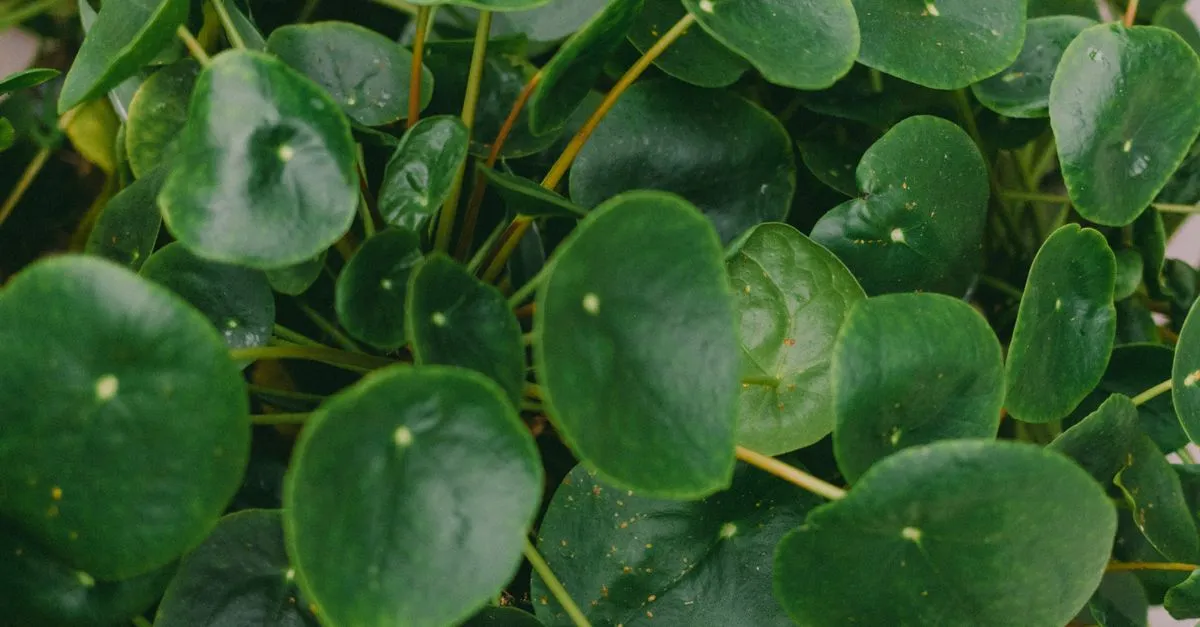
The Pilea peperomioides, or Chinese money plant, has a reputation for being fussy, but the truth is the opposite: pilea peperomioides care comes down to bright indirect light, water only when the top of the soil dries, and a quarter-turn every week so the leaves do not all crane toward the glass. Get those three things right and it grows fast, throws off baby plants on its own, and asks for almost nothing else. Most of the trouble people run into is a watering or light problem, not a disease.
Light: bright but indirect
Give it the brightest spot you can find that does not put it in harsh midday sun. An east-facing windowsill or a position just back from a south or west window is ideal. In good light the round, coin-shaped leaves stay flat, dark, and densely packed on a compact stem.
Two signs tell you the light is wrong. Too little light and the stem stretches, the gaps between leaves widen, and the plant leans hard toward the window. Too much direct sun and the leaves scorch, fading to pale patches or crisping at the edge. If your room is genuinely dim, a small grow light fixes the problem cheaply, though this is a plant that prefers a bright spot to a dark one.
Rotate it every week
Pilea phototropism is strong: those flat leaves turn to face the light like little satellite dishes, so an unrotated plant ends up lopsided with every leaf leaning one way. Give the pot a quarter-turn each time you water. That single habit keeps the rosette even and the stem upright, and it costs you nothing.
A weekly quarter-turn is the difference between a tidy, symmetrical pilea and a plant that looks like it is trying to climb out of its pot.
Water when the top of the soil dries
Pilea likes a regular drink but hates sitting wet. Push a finger into the soil: when the top 3/4 to 1 inch (2 to 3 cm) feel dry, water thoroughly until it runs from the drainage hole, then empty the saucer. In a bright spot that usually means roughly once a week in summer and less in winter, but check the soil rather than the calendar.
The leaves are an honest gauge. A pilea that is thirsty droops and lets its leaves go soft and floppy, then recovers within hours of a good drink. A pilea that is overwatered also droops, but the soil stays soggy and the lower leaves yellow and drop. If you suspect you have gone too far, read up on overwatering versus underwatering, because persistent wet soil is the one thing that reliably kills this plant through root rot.
Soil, pot, and feeding
Potting mix. Use a standard houseplant mix with a handful of perlite for drainage. The pot must have a drainage hole, full stop.
Feeding. Feed with a balanced liquid fertilizer at half strength every few weeks through spring and summer, and stop in winter. Pilea is not a heavy feeder, and overfeeding does more harm than skipping a dose.
Repotting. Move it up one pot size when roots show at the drainage hole or pups crowd the surface, usually once a year while it is growing fast.
Why it droops, and what it is not
Drooping is the complaint that brings most people looking for help, and it is almost never a disease. Run through the causes in order:
- Thirst. Dry soil plus soft, drooping leaves means you waited too long. Water and it perks up the same day.
- Overwatering. Soggy soil plus drooping and yellowing lower leaves means the roots are struggling. Let it dry out and check the roots.
- Light shock or a draft. A sudden move, a cold windowsill, or a heat source nearby can make it sulk briefly. It settles once conditions are stable.
Only after you have ruled all three out is it worth looking for pests or rot. The plant is telling you about its water and light, not asking for a fungicide.
Why the leaves curl or cup
Drooping is the blunt alarm; curling and cupping are more specific signals.
Edges curling inward usually mean direct sun is scorching the underside of the leaf. The tissue contracts as it dehydrates and the margin folds under. Move the plant back from the window or add a sheer curtain between it and harsh afternoon light. For a practical guide to reading positions, see how much light houseplants need.
Leaves doming upward into a bowl point to underwatering combined with high light. Moisture is leaving the plant faster than the roots can replace it, so each leaf cups inward to shrink its exposed surface area. Water slightly more frequently and see whether the shape corrects over a week or two.
The key diagnostic: if the leaves are still firm and turgid but misshapen, the problem is light or vapor balance, not a root or water crisis. Limp, floppy tissue is the water alarm. If you are unsure which side of the line you are on, overwatering versus underwatering walks through the full comparison.
Soil pups and stem pups: two different removals
A healthy pilea pushes up babies unprompted, which is why it is also called the friendship plant. Those babies come in two forms, and you remove them differently.
Soil pups (the majority) emerge from the root zone and break through the soil surface at the base of the mother plant. Wait until a soil pup is 2 to 3 inches (5 to 7 cm) tall and carries at least 3 leaves of its own. At that size it has enough root mass to survive separation. Use a clean knife or chopstick to carefully expose the connecting root 3/4 to 1 inch (2 to 3 cm) below the surface, then cut close to the mother rather than close to the pup. Pot the offset into barely damp, gritty mix, place it in bright indirect light, and do not water for two to three days. No humidity dome is needed; pilea pups root confidently without one. Lucy Liu, at her London nursery, finds that a freshly separated pup often drops its two lowest leaves and sits quiet for around ten days before it anchors and starts growing; treat this as normal establishment stress rather than a sign that something went wrong.
Stem pups are rarer and appear directly on the bare trunk rather than from the soil. Leave a stem pup until it has at least 2 leaves. Then use a clean, sharp blade to slice horizontally, taking a thin sliver of trunk tissue with the base of the pup. Rest the cutting on dry paper for 20 to 30 minutes so the wound can callus. Nestle the sliver just below the surface of damp moss or gritty mix; roots form in 2 to 3 weeks.
Neither type needs rooting hormone or a propagation dome, which makes pilea offsets simpler than most houseplant propagations. For the broader principles behind different techniques, see how to propagate houseplants.
The leggy stem: rotate first, behead as last resort
Low light causes the stem to elongate and shed its lower leaves, leaving a bare trunk topped by a cluster of coin-shaped leaves. The stretched portion will not compress again, but you can stop further stretching and, if the situation has gone far enough, reset the plant entirely.
Step one is always light and rotation. Move the plant to a brighter position and give it a quarter-turn every time you water. New growth after this change will be compact, even if the existing stem stays elongated.
Step two is beheading, and only worth attempting when the bare section is 6 to 8 inches (15 to 20 cm) or more. Cut the top 3 to 4 inches (8 to 10 cm) of stem just below a node with a clean blade. Let the cut end callus for 20 to 30 minutes, then stand it in water or press it into damp, gritty mix. It roots in two to four weeks. The stump left in the original pot commonly sprouts one or more stem pups within 4 to 6 weeks, so you often end up with two plants for the price of one bad light situation. Lucy finds the severed top roots particularly well stood in water, and the stump reliably pushes a whole cluster of pups along the bare stem within about a month, making the behead feel more like a reset than a loss.
For a broader look at why stems elongate and how to address each cause, see leggy houseplants: causes and fixes.
White dots on the leaves
White specks on the upper surface of pilea leaves are almost always mineral deposits from guttation. At night, when the plant’s roots absorb more water than the leaves can transpire, the excess is pushed out through specialized pores at the leaf edges. As each droplet evaporates it leaves behind calcium and magnesium, which dry to a white crust. It is harmless. Wipe it off with a damp cloth if the look bothers you, or switch to filtered or rain water to reduce build-up over time. It is not powdery mildew, which spreads as a dusty coating across the whole leaf surface, and it is not a pest.
Is pilea safe for pets?
Pilea peperomioides is widely listed as non-toxic to cats and dogs, which makes it a reasonable choice for a low shelf or coffee table in a pet-owning home. For a broader list of safe options, see pet-safe houseplants. Note that “peperomioides” in the name causes some confusion with Peperomia, which is a different genus entirely; if you are caring for that plant, the peperomia care guide is where to start.
Let it pup, but keep it dry between waterings
The single mistake that kills a pilea is leaving it in soggy soil, so when you are unsure whether to water, wait a day and check the top of the mix again rather than topping it up. Once the bright spot, the weekly quarter-turn, and a dry-between-drinks rhythm are settled, the plant will start handing you free offsets within a season, so keep a couple of small pots of gritty mix ready for the pups you will soon want to separate.
Where to go next
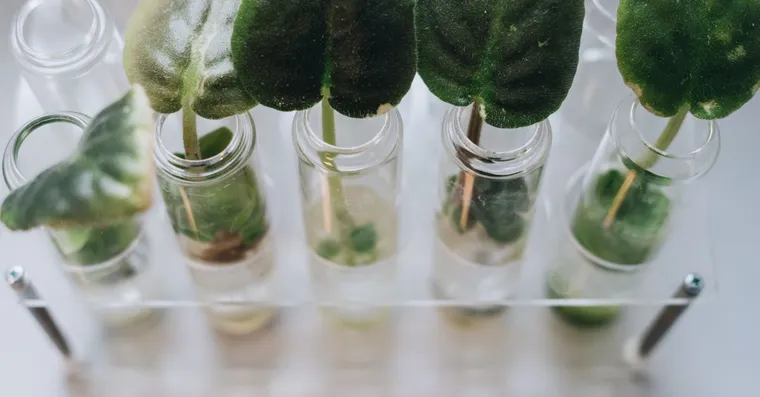
Best propagation stations for houseplants
A buying guide to propagation stations: which vessel suits water rooting, what actually helps roots form, and when a jam jar does the same job for free.
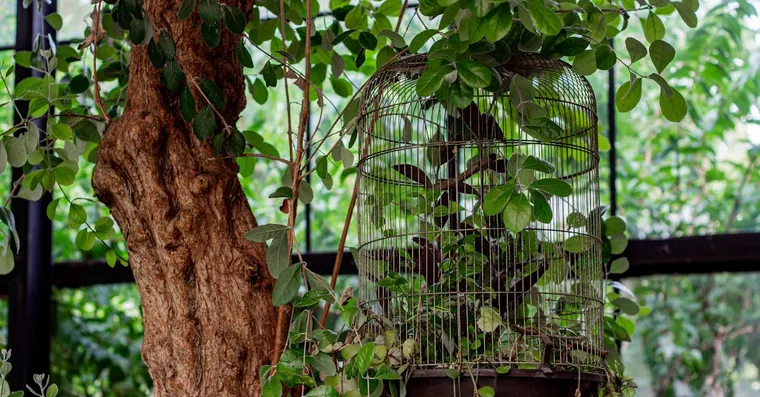
Air Layering Houseplants: Propagating Big Plants Without the Risk
How to air layer a houseplant to root a stem before you cut it, the method step by step, and why it suits leggy monsteras, rubber plants, and fiddle leaf figs.
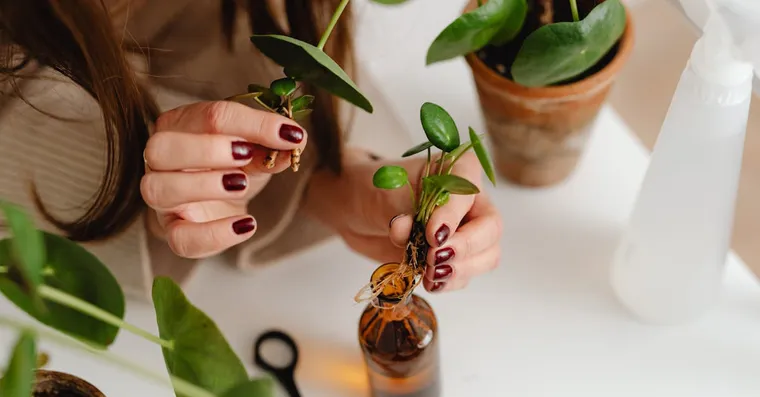
Do You Need Rooting Hormone to Propagate Houseplants?
What rooting hormone does, which cuttings actually benefit from it, and an honest take on whether most houseplant propagation needs it at all.
Not sure what plant you have? Identify it from a photo and we will point you at its care guide.
Frequently asked questions
Why are my pilea leaves curling?
Edges curling inward usually mean direct sun is scorching the underside of the leaf. Leaves doming upward into a bowl shape point to underwatering combined with high light, where moisture is pulled out faster than the roots can supply it. If the leaves are still firm but misshapen, the problem is light or vapor balance, not a watering emergency. Move the plant back from direct sun or water slightly more frequently and reassess in a week.
How do I remove a pilea pup?
For a soil pup, wait until it is 2 to 3 inches (5 to 7 cm) tall with at least 3 leaves. Dig carefully to expose the connecting root and cut it close to the mother plant. Pot the pup into barely damp gritty mix and leave it without a humidity dome. For a stem pup growing on the main trunk, wait until it has 2 leaves, then slice horizontally with a clean blade taking a thin sliver of trunk tissue with the base of the pup. Let it callus for 30 minutes before nestling it into damp moss or gritty mix. Roots form in 2 to 3 weeks.
What are the white spots on my pilea leaves?
White specks are mineral deposits left by guttation. The plant pushes excess water out through tiny pores at night; when that water evaporates it leaves calcium and magnesium behind as a white crust. It is harmless. Wipe it off with a damp cloth if you dislike the look. It is not powdery mildew and not a pest.
Is pilea peperomioides safe for cats and dogs?
Pilea peperomioides is widely listed as non-toxic to cats and dogs. For a full guide to houseplants that are safe around animals, see the pet-safe houseplants article on this site.