Do You Need Rooting Hormone to Propagate Houseplants?
What rooting hormone does, which cuttings actually benefit from it, and an honest take on whether most houseplant propagation needs it at all.
Some links in this guide go to Amazon. As an Amazon Associate we earn from qualifying purchases, at no extra cost to you. How this works.
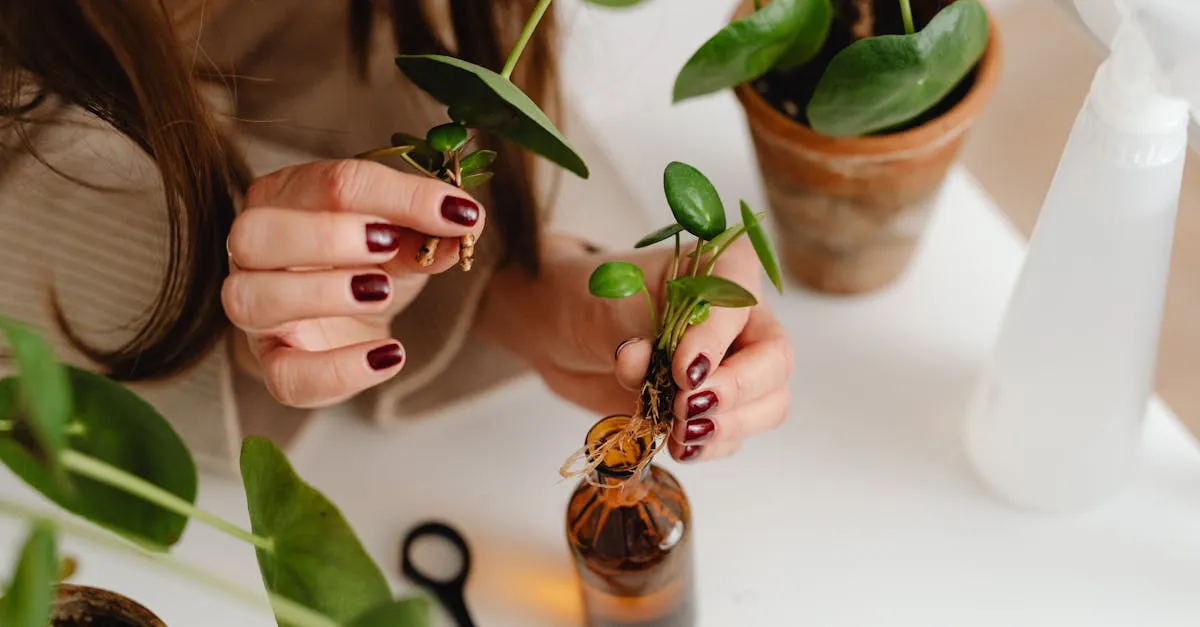
The short answer: no, you do not need rooting hormone for most houseplants. The popular ones root happily in a glass of water with nothing added. Rooting hormone is a useful tool for a specific set of harder cuttings, not a requirement for the cuttings most people actually take.
What rooting hormone actually does
Rooting hormone is a gel, powder, or liquid containing synthetic auxins, usually IBA (indole-3-butyric acid) or NAA. Auxins are plant hormones that trigger cells at a cut stem to form roots. Your plant already makes its own auxins, which is why cuttings root at all. The product simply tops up the supply at the wound, which can make roots appear sooner, in greater number, and more evenly.
That extra push matters more on some cuttings than others. On a cutting that roots readily, you are speeding up something that was going to happen anyway. On a stubborn one, you are improving the odds of it happening at all.
Do you need rooting hormone for easy plants? No
The houseplants people propagate most often produce roots on their own, fast. For these, hormone makes little practical difference.
- Pothos and philodendron. These root in water within a week or two. A node, a leaf, and some water is all it takes. See how to propagate pothos for the basic method.
- Tradescantia and other inch plants. Among the quickest of all. Stems often root before you have decided where to plant them.
- Spider plants. The plantlets arrive with root nubs already forming, so there is nothing to accelerate.
- Most trailing aroids and vining plants. Hoya, monstera, and similar climbers root well from a healthy node without any help.
For all of these, hormone is optional at best. Skipping it costs you nothing.
Where rooting hormone earns its place
Hormone becomes genuinely useful on cuttings that are slow, woody, or low in their own auxins. These are the plants where a batch of cuttings can rot before any roots form, so improving the success rate is worth the small effort.
- Fiddle leaf fig and rubber plant. Woody ficus cuttings root slowly and unevenly. A dip in hormone, planted into a moist, well-draining mix, raises your hit rate noticeably. The same applies to propagating a rubber plant.
- Woody or semi-woody stems generally. Croton, hibiscus, and older growth on many shrubs respond well.
- Single leaf cuttings of fussier plants. Where you are asking one leaf to do a lot of work, the extra auxin helps.
- Anything you have struggled to root before. If a plant has failed for you bare, hormone is a sensible variable to add.
Use rooting hormone where failure is likely, not where success is already easy.
How to use it properly
A little technique goes a long way, and misusing it wastes the product.
- Take a clean cutting with at least one node, using sterilized snips.
- Let the cut callus briefly on succulents and cacti before dipping. For soft stems, dip straight away.
- Pour a small amount out into a separate dish. Never dip into the original tub, which contaminates the whole pot.
- Moisten the stem, tap off excess, then dip the bottom inch (couple of cm). More is not better; a thin coating is enough.
- Plant into moist medium, not water. Hormone is designed for soil or a soilless mix. It largely washes off in a glass of water.
Keep the cutting warm, bright but out of direct sun, and humid while it roots.
Natural alternatives, and whether they work
Plenty of home remedies circulate online. Be realistic about them.
- Honey and cinnamon. These have mild antifungal properties, so they may reduce rot on a cutting. They contain no auxins and do not stimulate rooting. Useful as a protectant, not a hormone.
- Willow water. Willow does contain natural rooting compounds, so this one has a real basis. The concentration is weak and variable, so results are modest.
- Aloe vera gel. Soothing and antimicrobial, but again no meaningful rooting effect.
None of these match a proper IBA product for a difficult cutting. For an easy cutting, none of them are needed either.
When to reach for the tub
Keep a small pot of rooting hormone on the shelf for the woody and previously failed cuttings, and leave it there for everything else. The mistake to avoid is dipping an easy pothos or tradescantia cutting and dropping it into water, where the hormone simply washes off and does nothing. Match the tool to the cutting: bare in water for the quick rooters, a light dip into moist mix for the stubborn ones, and you will waste neither product nor cuttings.
Where to go next
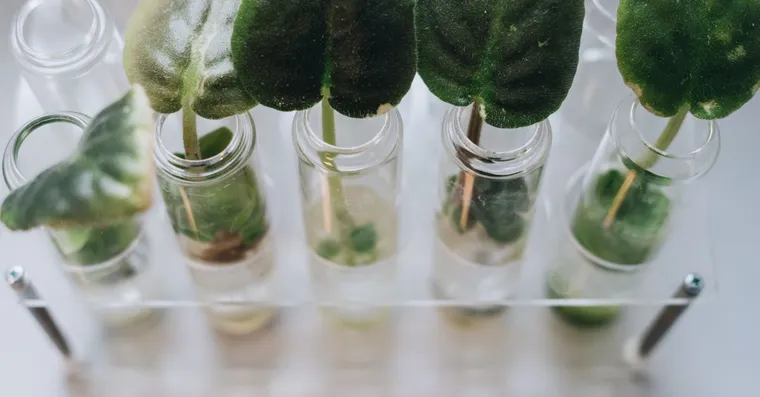
Best propagation stations for houseplants
A buying guide to propagation stations: which vessel suits water rooting, what actually helps roots form, and when a jam jar does the same job for free.
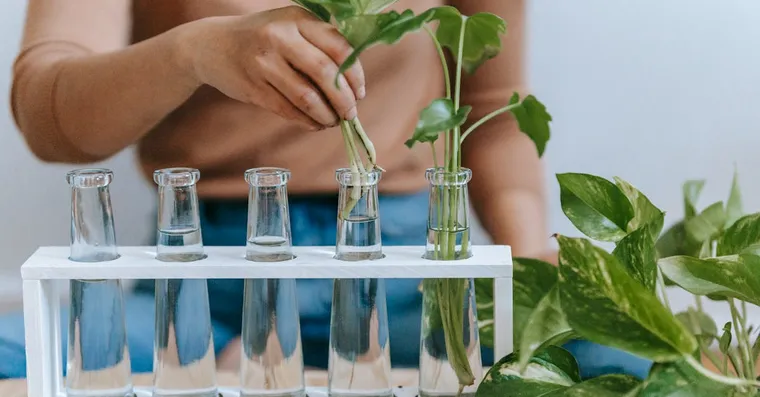
Propagating in Water vs Soil: Which Is Better for Cuttings?
The honest trade-offs between rooting houseplant cuttings in water and in soil, why water roots struggle in soil, and how to choose for each plant.
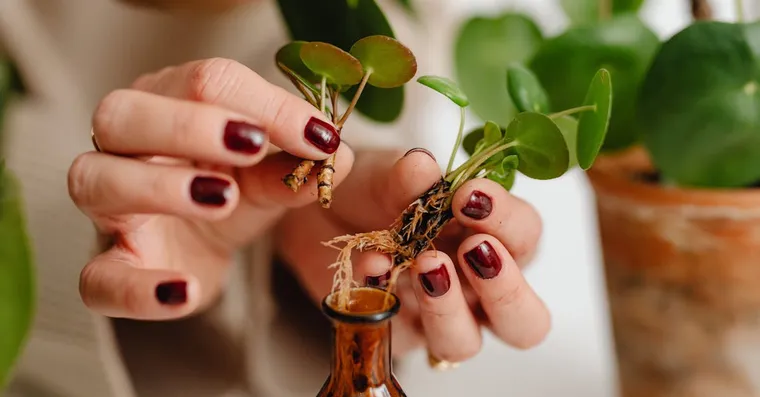
Why Are My Cuttings Not Rooting? Common Reasons and Fixes
A diagnostic guide to cuttings that will not root, from missing nodes and rot to cold, low light, and simple impatience, with how to fix each.
Not sure what plant you have? Identify it from a photo and we will point you at its care guide.