How to Propagate a Rubber Plant from Cuttings
How to propagate a rubber plant from stem cuttings or air layering, including rooting times and how to handle the sticky latex sap.
Some links in this guide go to Amazon. As an Amazon Associate we earn from qualifying purchases, at no extra cost to you. How this works.

Rubber plant propagation works, but the method you choose decides whether you end up with a new plant or a rotted stick. You have two real options: rooting a stem cutting, or air layering on the parent plant. Stem cuttings are quicker to start and need almost no setup, while air layering is slower but far more reliable, especially with thicker, woodier stems.
Why rubber plant cuttings are harder than they look
Rubber plants (Ficus elastica) are not pothos. A cutting has thick, semi-woody tissue and a small ratio of leaf to stem, so it loses water faster than its cut base can absorb it. A bare cutting sitting in a glass of water often rots at the base before it roots, particularly in cool rooms or low light. This is the honest reality behind the cheerful “just pop it in water” advice: it works sometimes, but the failure rate is high. If you only have one cutting and you want it to succeed, weigh that before you choose water.
A safety note on the latex sap
Every cut you make on a rubber plant releases a white, sticky latex sap. It can irritate skin and eyes, and it is mildly toxic if ingested, so keep it away from children and pets. Wear gloves, work over newspaper, and wash your hands afterwards. Blotting the cut end with a tissue for a minute stops the worst of the drip before you proceed. If you have a latex allergy, this sap can trigger it, so take that seriously.
Rooting a stem cutting
This is the faster method to begin and the right choice if you have several cuttings and can accept some losses.
Take the cutting. Choose a healthy stem tip with two or three leaves and cut 4 to 6 inches (10 to 15 cm) below the lowest leaf, just under a node. Remove the lowest leaf so a node sits bare.
Reduce water loss. Large leaves transpire heavily. Roll each remaining leaf into a loose tube and hold it with an elastic band, or trim leaves in half. This single step lifts your success rate more than anything else.
Root it. Dip the cut end in rooting hormone, then plant it in a small pot of moist, free-draining mix. Soil beats water here: it holds the cutting steady and resists rot better. Cover the pot loosely with a clear bag to keep humidity up, and keep it in bright, indirect light and a warm spot.
Expect roots in six to eight weeks, sometimes longer. Tug gently to test; resistance means roots. For the general principles behind this, see how to propagate houseplants from cuttings.
Air layering, the reliable rubber plant propagation method
Air layering roots the new section while it is still attached to the parent, so the cutting is never cut off from water and nutrients. Nothing has to survive on its own until roots already exist. That is why it almost always works.
- Choose a healthy stem and pick a point below a node. Cut a shallow ring or an upward nick into the bark, no more than a third of the way through.
- Dust the wound with rooting hormone.
- Wrap a handful of damp sphagnum moss around the wound, then wrap that in cling film or a sandwich bag and tie both ends so the moss stays moist.
- Wait. Roots appear in the moss in about eight to twelve weeks. When you see a good network, cut below the root ball and pot it up.
Air layering trades a month or two of patience for a near-certain new plant.
The trade-off is honest: air layering is slower and fiddlier to set up, and you can only do a few at once. But for a single prized plant, or a leggy rubber plant you want to shorten, it is the method that does not gamble.
Aftercare for the new plant
A freshly rooted rubber plant has a small, fragile root system. Keep the mix lightly moist, not wet, and hold off on fertilizer for the first two months. Give it bright, indirect light and a stable, warm position away from drafts. Do not pot it into a large container; a snug pot dries out evenly and discourages rot. From here, follow standard rubber plant care, and if early leaves drop, that is often just transplant stress rather than a deeper problem.
Pick your method by how much that plant matters to you
If this is your only rubber plant, or a slow, leggy one you have grown for years, air layer it and accept the wait rather than gambling it on a bare cutting in water. Save stem cuttings for when you have spare growth you can afford to lose, and start either method in late spring or summer, when active growth roots fastest and a cool, dim windowsill is less likely to rot the base before roots form.
Where to go next
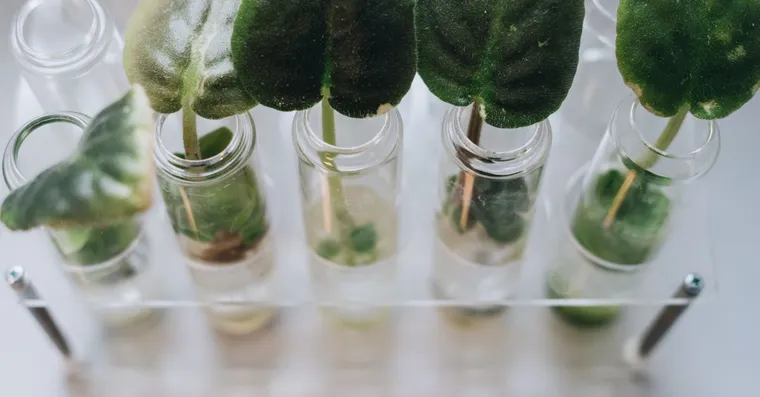
Best propagation stations for houseplants
A buying guide to propagation stations: which vessel suits water rooting, what actually helps roots form, and when a jam jar does the same job for free.
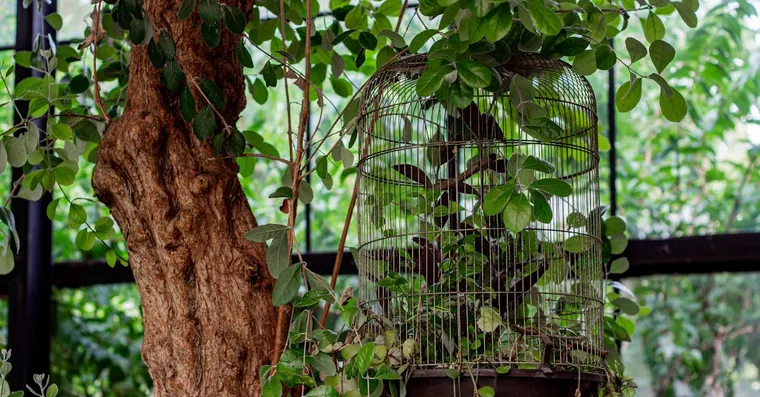
Air Layering Houseplants: Propagating Big Plants Without the Risk
How to air layer a houseplant to root a stem before you cut it, the method step by step, and why it suits leggy monsteras, rubber plants, and fiddle leaf figs.
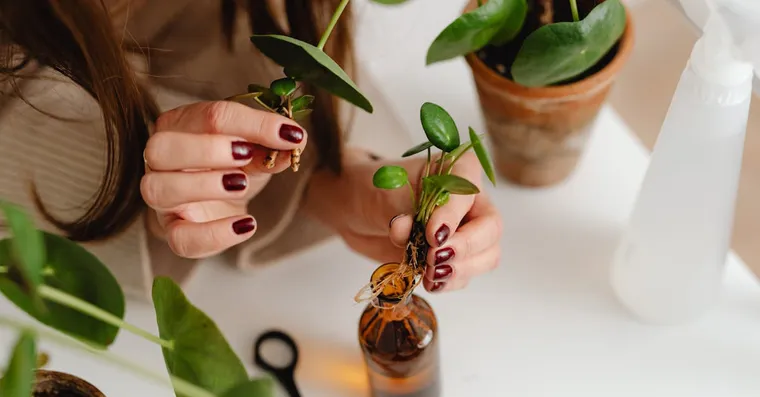
Do You Need Rooting Hormone to Propagate Houseplants?
What rooting hormone does, which cuttings actually benefit from it, and an honest take on whether most houseplant propagation needs it at all.
Not sure what plant you have? Identify it from a photo and we will point you at its care guide.