String of Hearts Care: Growing Ceropegia Woodii Indoors
A care guide for string of hearts, covering the light it needs to keep tight heart-shaped leaves, sparing watering, and how to propagate from the tubers.
Some links in this guide go to Amazon. As an Amazon Associate we earn from qualifying purchases, at no extra cost to you. How this works.

Bright indirect light keeps the leaves small, close together, and silver-marbled, and the soil should dry out almost completely before you water again. Get those two things right and string of hearts care is genuinely simple: this trailing semi-succulent (Ceropegia woodii) asks for very little and punishes overwatering far more than neglect. Most problems people blame on the plant are really a light problem or a water problem in disguise.
How much light it actually needs
The single biggest factor in how this plant looks is light. In bright indirect light, the heart-shaped leaves stay close along the vine and the silver marbling on the dark green is at its strongest. In dim conditions the plant stretches: long bare stems with leaves spaced far apart and weak, washed-out color.
A spot right by a window is best. An east or west window, or a south window with a sheer curtain, gives the brightness it wants. A little direct morning sun is fine and often improves the color.
Too far from a window is the usual mistake. A plant set across the room from the light, however bright the room feels to you, will slowly thin out. If that is your only option, a grow light closes the gap reliably.
Some direct afternoon sun is tolerated once the plant is used to it, though harsh, hot glass through summer can scorch the leaves. Move it back slightly if you see pale or crisping patches.
Watering a semi-succulent
Ceropegia woodii stores water in its leaves and in small tubers, so it behaves like a succulent: let the soil dry out almost fully, then water thoroughly until it runs from the drainage hole. In bright conditions through spring and summer that might be every week or two; in winter, far less.
The leaves tell you what is happening, and a moisture meter removes all guesswork if you are unsure whether the soil has dried out far enough. Plump, firm leaves mean the plant is well watered. Slightly soft, flattening leaves mean it is thirsty and will recover quickly after a drink. Yellowing leaves low on the vine, mushy stems, or a sour smell mean the opposite problem, and overwatering here leads to root rot fast. When in doubt, wait. This plant survives a missed watering far better than a soggy pot. The same rule of thumb covers most succulents.
If you are not sure whether to water, don’t: a thirsty string of hearts bounces back in a day, a waterlogged one rarely does.
| Season | Watering frequency | What to look for |
|---|---|---|
| Spring | Every 10 to 14 days | Soil nearly dry; leaves plump |
| Summer | Every 7 to 14 days | Soil dry; check more often in heat |
| Autumn | Every 2 to 3 weeks | Soil fully dry before watering |
| Winter | Every 3 to 5 weeks | Soil bone dry; leaves very slightly soft |
Soil, pots, and feeding
Use a free-draining mix. A cactus and succulent compost, or regular potting mix cut with plenty of perlite or grit, stops water sitting around the roots. A pot with a drainage hole is not optional.
Keep the pot snug. This plant flowers and grows happily slightly root-bound, so there is no rush to size up. A shallow pot suits its small root system.
Feed lightly in spring and summer. A balanced houseplant feed at half strength once a month during active growth is plenty. Stop in winter. It is not a hungry plant, and overfeeding does nothing useful.
Why the vines look sparse and stretched
If your plant has long, bare runs of stem with leaves spaced widely apart, the honest answer is almost always too little light, not anything you did wrong with water or feed. The fix is to move it brighter. New growth will come in tighter and better marbled, though the existing leggy sections stay as they are.
You have two ways to make a stretched plant look full again. Prune the bare vines back, which encourages branching from the cut points, and use the cuttings to propagate. Or simply lay the cuttings back on top of the soil so they root and fill the pot. Pruning works much like it does on other trailing plants.
Propagating from the aerial tubers
The easiest way to make more plants is the little round beads, called aerial tubers, that form along mature vines. Each one can grow into a new plant, and they root readily.
- Leave the tuber attached to the parent vine and rest it on a small pot of moist, well-draining soil. Pin it down with a bent paperclip so it stays in contact.
- Keep the soil lightly moist until roots take hold, usually in a few weeks. Staying connected to the parent means the new plant is fed while it establishes.
- Cut it free once it is rooted and growing on its own.
Stem cuttings work too: take a length of vine, let the cut end dry for a day, then lay it on soil or set the nodes in water. The tuber method is just more reliable. For the general approach, see propagating from cuttings.
What thriving growth looks like
Once it is settled in a bright spot, watch the new vines: tightly spaced, well-marbled leaves are your sign the light is right, while any fresh growth that comes in pale and widely spaced means move it closer to the glass before the habit sets. The mistake that quietly kills these plants is not a missed watering but a wet pot in winter, so as light drops through the colder months stretch the gaps between waterings right out and let the leaves, not the calendar, tell you when it is thirsty.
Where to go next

How to Propagate String of Hearts: Three Easy Methods
Three ways to propagate string of hearts, from the tubers on the vine to water and soil cuttings, and which gives the fullest plant fastest.
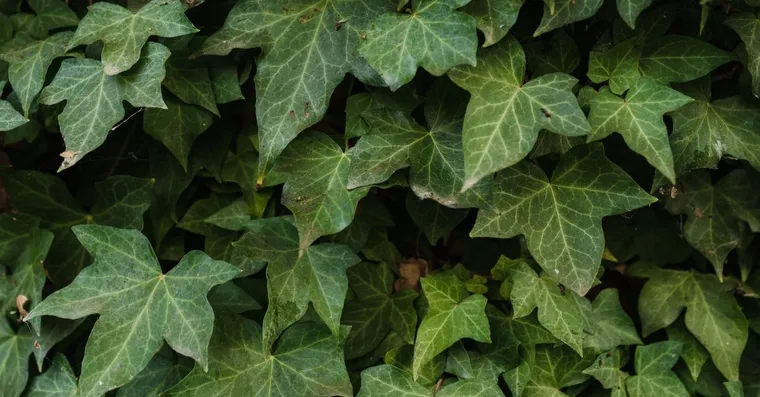
English Ivy Indoor Care: Light, Water, and Keeping It Off the Cat
English ivy grows fast indoors and is toxic to cats and dogs. Here is how to keep it healthy, keep it contained, and decide whether to keep it at all.
9 Best Trailing and Hanging Houseplants
The best trailing houseplants spill from shelves and hanging pots with long vines. Here are nine, from near-indestructible to the more demanding trailers.
Not sure what plant you have? Identify it from a photo and we will point you at its care guide.
Frequently asked questions
How often should I water a string of hearts?
In spring and summer, water roughly every one to two weeks, letting the soil dry out almost completely between sessions. In autumn and winter, reduce to once every three to four weeks or even less, since the plant is barely growing and roots sitting in damp soil will rot.
What is the soak-and-dry method for string of hearts?
Water thoroughly until it runs freely from the drainage hole, then do nothing until the soil has dried out almost all the way down to the roots. This mimics the dry seasons the plant evolved in and keeps the tubers and leaves firm without waterlogging the roots.
How do I know if I am overwatering my string of hearts?
The clearest signs are yellowing leaves lower on the vine, stems that feel soft or mushy at the base, and a sour or rotting smell from the pot. Slightly flattening or softening leaves, by contrast, signal underwatering and the plant will recover quickly after a good drink.
Should I water string of hearts differently in winter?
Yes. Once temperatures drop and growth slows in late autumn, cut watering back significantly, watering only when the soil is bone dry and the leaves start to look very slightly soft. Overwatering in winter is the most common way to lose this plant.