Tradescantia Care: Keeping Inch Plant Colorful and Full
How to grow tradescantia (inch plant) indoors, with the bright light that keeps its purple and silver color and the pinching that stops it going leggy.
Some links in this guide go to Amazon. As an Amazon Associate we earn from qualifying purchases, at no extra cost to you. How this works.
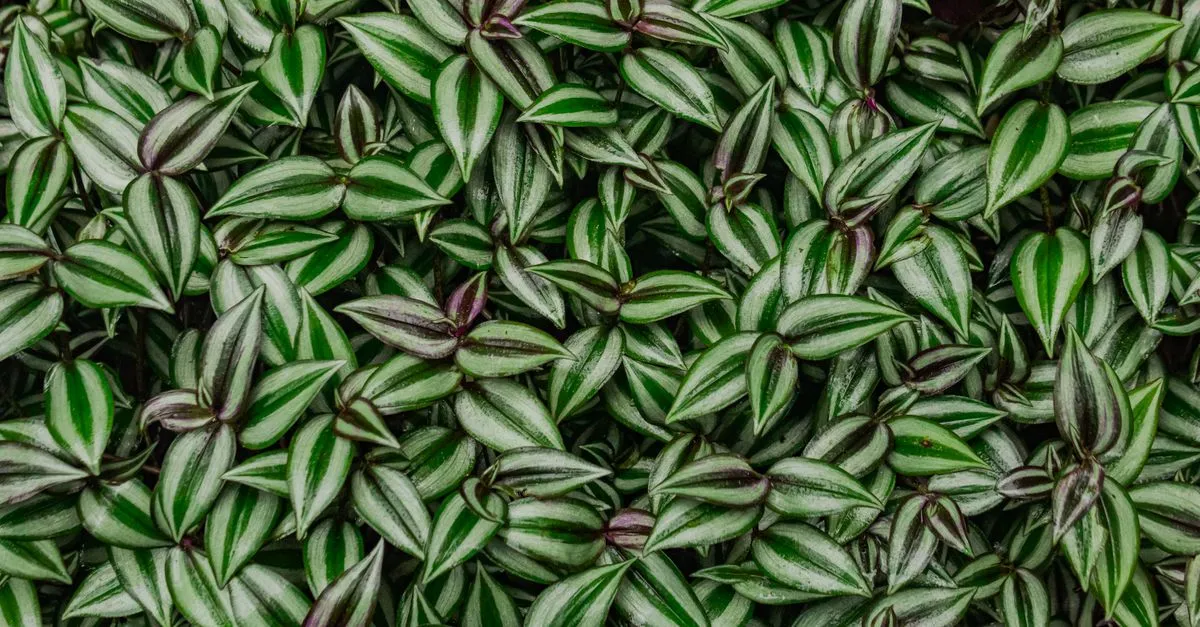
Tradescantia is one of the fastest trailing plants you can grow, but its color depends almost entirely on light and regular pruning. Give it the brightest spot you have, pinch it often, and accept that stems will eventually go bare. The saving grace is that it roots from cuttings in about a week, so a tired plant can be replaced with a fuller one before you have noticed the decline.
Which cultivar are you growing?
Different tradescantias have very different light needs, and knowing yours saves frustration.
| Cultivar | Light needed for color | First sign of too little light | Watering pace |
|---|---|---|---|
| Zebrina | Bright indirect, east or west sill minimum | Silver stripes fade to plain green | Every 5 to 7 days in summer |
| Nanouk | Bright direct, south-facing sill | Pink and lilac wash out within weeks | Every 5 to 7 days in summer |
| Fluminensis | Moderate indirect | Stretches and stems lengthen | Every 7 to 10 days in summer |
| Pallida (Purple Heart) | Intense direct sun | Deep purple reverts to dull green-purple | Every 5 to 7 days in summer |
Zebrina has the silver-striped leaves most people recognize. The metallic stripes are the first thing to disappear in dim light, replaced by plain green. It needs a bright windowsill at minimum.
Nanouk has pink and lilac variegation that is almost entirely light-dependent. Treat it close to a cactus for color: a south-facing sill with some direct sun is where it thrives. In anything less, the pink washes out within weeks.
Fluminensis is the least demanding. Mostly green anyway, it tolerates lower light without obvious color loss, though it still stretches in dim rooms.
Pallida (Purple Heart) wants near-outdoor sun indoors. Its deep purple leaves revert to dull green-purple without intense direct light, making a south window or a bright balcony position essential.
Why light is everything for inch plant
The purple, silver, and pink markings are a direct response to bright light. In a dim corner the plant survives, but color washes out, stems stretch with long gaps between leaves, and the whole plant looks thin.
Bright, indirect light is the minimum. An east or west windowsill works. A spot right next to a south-facing window is better, and most tradescantia will take some direct morning sun without complaint.
Low light is the most common reason it disappoints. Move the plant closer to a window before changing anything else. Our guide to how much light houseplants need covers what “bright indirect” actually means in practice.
If the colors are fading, the plant wants more light, not more water or fertilizer.
Watering without rotting the stems
Tradescantia has soft, juicy stems that hold water, so it is more forgiving of a missed watering than of a constant soggy one. In bright light and warm weather a pot can need water twice a week, and the plant will wilt noticeably if you miss it.
Water when the top 3/4 to 1 inch (2 to 3 cm) of soil feel dry; a moisture meter removes the guesswork if you have overwatered before. Water thoroughly until it drains from the holes, then empty the saucer. In winter this may stretch to every ten days or more.
Soft, mushy, translucent stems mean overwatering. This is the main way people lose the plant. If you see it, ease off, check drainage, and read root rot treatment before it spreads.
Soil, pot size, and repotting
Use a well-draining mix with 20 to 30% perlite added. Standard houseplant compost holds too much moisture on its own; the extra grit keeps roots aerated between waterings. Terracotta pots help further by wicking excess moisture through the walls.
Keep the pot snug. A pot that is too large holds far more moisture than the roots can drink, which makes overwatering almost inevitable. Move up one pot size only when roots begin to circle the base or push out of the drainage holes.
Repot roughly every 12 to 18 months in spring, using the same well-draining mix. A slightly tight pot produces more compact, colorful growth.
Pinching and pruning to stay full
Left alone, every stem grows longer and barer at the base. Tradescantia does not branch naturally, so fullness is something you create.
Pinch the growing tips regularly. Use your fingers or scissors to nip off the last inch (couple of cm) of each stem. Each cut prompts the stem to branch into two. Do this every few weeks through the growing season.
Cut hard when it gets leggy. Chopping stems back by half looks drastic, but new growth comes in tighter and more colorful. Lucy Liu, at her London nursery, goes further with plants that have gone bald on top: she cuts right back to around an inch of bare stem, so all the old shaded growth is gone and new shoots emerge directly into full light. The regrowth, she finds, comes back with noticeably deeper purples and more intense pinks than the faded vines she cut away. When dealing with a severely stretched plant, follow this sequence: move it to more light first, then prune hard, then replace with fresh cuttings if the parent is beyond recovery. More on why stems go bare in leggy houseplants: causes and fixes. The same pruning principles apply across most trailing plants, covered in pruning houseplants for bushier growth.
Chop-and-prop: the real method
When the bottom half of a stem is bare, pinching tips is not enough. That stem is finished; chop it and reprop from the green top section.
Take 3 to 4 inches (7 to 10 cm) tip cuttings. Longer ones flop before they root. Strip the bottom 2 to 3 leaves to expose a bare node, which is where roots emerge.
Bundle 5 to 7 stems per pot from the start. One or two cuttings in a pot look sparse even after rooting; a bundle gives you an instantly full plant.
Water or damp soil both work for rooting. In water you can see roots forming; in damp soil there is no transplant shock later. Either way, roots appear in 7 to 10 days at normal room temperature.
The cadence rule: when 50% or more of a stem’s length is bare, do not just pinch the tip. Chop the whole plant and reprop from the green top sections. You will have a better-looking plant in three weeks than you would have in three months of pinching a bare stem. Full detail on the method is in propagating houseplants from cuttings.
Sap and pet safety
The sap is a contact irritant. For light pinching this rarely matters, but wear gloves for heavy pruning sessions and wash your hands before touching your eyes or mouth.
Tradescantia is toxic to cats and dogs. Keep it out of reach of pets. If you need a trailing plant that is safe around animals, our pet-safe houseplants guide lists alternatives; tradescantia is not on that list.
Feeding
Feed lightly in spring and summer. A balanced houseplant fertilizer at half strength every few weeks is plenty. Too much feed produces soft, leggy growth, the opposite of what you want.
Think of it as a plant you renew, not one you keep
The most common mistake is babying a leggy, fading plant with more water and feed when what it actually needs is the brightest window and a hard chop. Treat tradescantia as a short-cycle plant: a dense, vivid pot rooted from a bundle of cuttings is the goal, not a years-old specimen with bare runners. When spring growth picks up, take that as your cue to do a full chop-and-prop so the new flush comes in tight and well colored rather than stretched.
Where to go next
English Ivy Indoor Care: Light, Water, and Keeping It Off the Cat
English ivy grows fast indoors and is toxic to cats and dogs. Here is how to keep it healthy, keep it contained, and decide whether to keep it at all.
9 Best Trailing and Hanging Houseplants
The best trailing houseplants spill from shelves and hanging pots with long vines. Here are nine, from near-indestructible to the more demanding trailers.

How to Propagate String of Hearts: Three Easy Methods
Three ways to propagate string of hearts, from the tubers on the vine to water and soil cuttings, and which gives the fullest plant fastest.
Not sure what plant you have? Identify it from a photo and we will point you at its care guide.
Frequently asked questions
Why is my tradescantia losing its color?
Almost always a light problem. The silver, purple, and pink pigments in tradescantia are produced in response to bright light; in a dim spot the plant reverts to plain green and the stems stretch. Move it to your brightest windowsill first. If color has not improved within four to six weeks, prune the faded stems and regrow from cuttings taken from any still-vivid growth.
Is tradescantia toxic to cats and dogs?
Yes. Tradescantia is toxic to cats and dogs and should not be kept where pets can reach it. The sap is also a skin irritant in humans. See our pet-safe houseplants guide at leafnthrive.ing/articles/pet-safe-houseplants/ for trailing plant alternatives.
How often should I take tradescantia cuttings?
Use the 50% rule: when bare stem makes up more than half a stem's length, it is time to chop and reprop rather than just pinch the tip. In practice this means a full chop-and-prop session roughly every four to six months for a plant in bright light, and less often for slower-growing specimens in moderate light.
Why is my tradescantia turning green and losing its variegation?
Reversion to plain green is almost always caused by insufficient light. The colored pigments in tradescantia are only produced under bright conditions, so a dimmer position triggers the plant to drop them. Move the plant to your brightest windowsill immediately. Any stems that have already fully reverted to green will not regain color on their own; prune those stems back to the soil so the new growth that replaces them emerges into full light and develops proper variegation.
How often should I water tradescantia?
Water when the top 3/4 to 1 inch (2 to 3 cm) of soil feel dry to the touch, which in a bright, warm spot typically means every 5 to 7 days in summer and every 10 to 14 days in winter. Always water thoroughly until it drains from the bottom, then empty the saucer. Soft or mushy stems are a sign you are watering too often rather than too little.
Sources
- ASPCA, Toxic and Non-Toxic Plants: Inch Plant (Tradescantia fluminensis). Toxic to Dogs, Cats, and Horses.
- Royal Horticultural Society (RHS), Houseplant growing guides: Tradescantia.