9 Best Trailing and Hanging Houseplants
The best trailing houseplants spill from shelves and hanging pots with long vines. Here are nine, from near-indestructible to the more demanding trailers.
Some links in this guide go to Amazon. As an Amazon Associate we earn from qualifying purchases, at no extra cost to you. How this works.
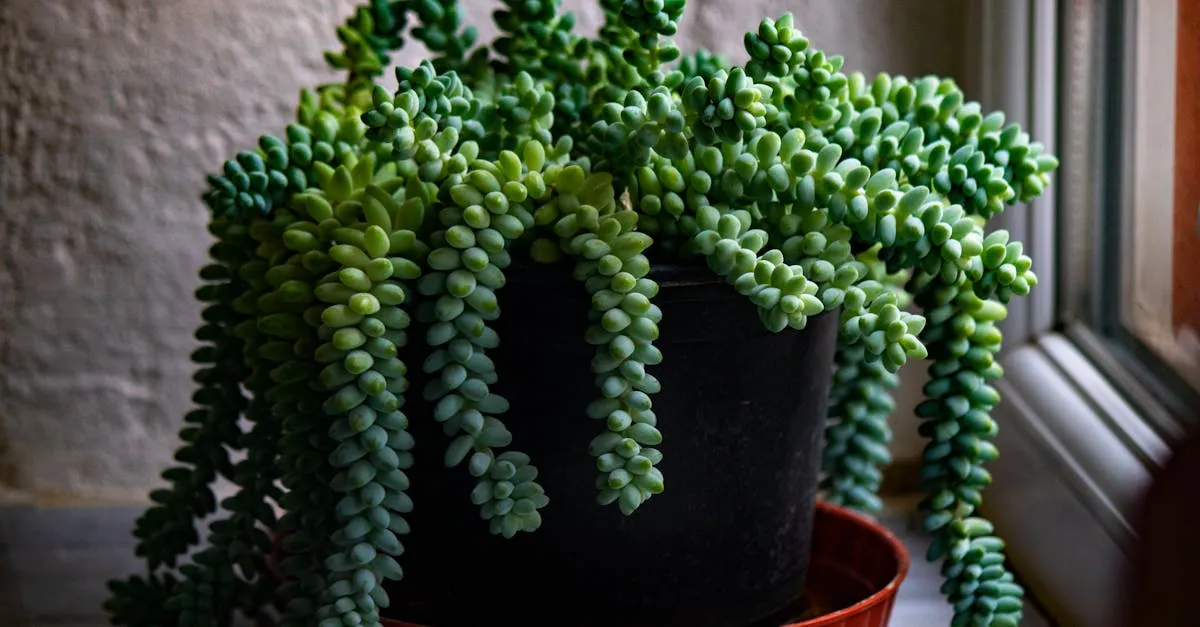
Trailing and hanging plants do the same job in different ways: they spill over the edge of a shelf, soften a high corner, or fill a hanging pot with cascading growth. This list of the best trailing houseplants is ordered roughly easiest to fussiest, so you can start near the top if you are new and work down as your confidence grows. Every one of them trails longer and fuller in good light, with the occasional pinch to encourage branching.
How these plants were chosen
I picked plants that genuinely trail or cascade rather than ones you have to train hard to get a few drooping stems. Each had to be reasonably available, propagate easily so you can refill a thin pot, and respond well to a hanging or raised position. I weighted the ranking towards how forgiving each plant is about watering and light, because a trailing plant that sulks looks worse than an upright one. Where a plant is genuinely demanding, it is lower down the list and labeled as such.
The nine best trailing and hanging plants, easiest first
Pothos
Epipremnum aureum. This is the plant to start with: it trails fast, roots from any cutting, and tolerates low light and irregular watering better than almost anything else here. Vines reach 6 to 10 feet (2 to 3 m) indoors if you let them, though most people keep them shorter. Water when the top inch or two (3 to 5 cm) of soil are dry, and pinch the tips back to keep growth bushy rather than stringy. The honest caveat is that pothos is toxic to cats and dogs if chewed, so hang it well out of reach. See the full pothos care guide for the detail.
Heartleaf philodendron
Philodendron hederaceum. Often confused with pothos, it is just as foolproof and arguably a touch more tolerant of lower light. The heart-shaped leaves stay softer and more pliable, and stems trail to 6 feet (2 m) with regular pinching. Let the top of the soil dry between waterings and it rarely complains. Like pothos it is toxic to pets, so treat the two the same on placement. The heartleaf philodendron care guide covers propagation, which is just as easy.
Spider plant
Chlorophytum comosum. The arching leaves and dangling plantlets make this a natural for a hanging pot, and it shrugs off neglect. It does best in bright indirect light, where it throws out more of the baby “spiderettes” on long runners. Brown tips usually mean fluoride or chlorine in tap water, so use filtered or rainwater if your supply is hard. It is non-toxic to pets, which makes it one of the safest picks here. Learn to root the babies in the spider plant care guide.
String of hearts
Ceropegia woodii. Fine, trailing strands of marbled heart-shaped leaves that can reach 3 feet (1 m) or more from a high shelf. It stores water in its stems, so it forgives the occasional missed watering but hates sitting wet. Give it the brightest indirect light you can, or the strands grow sparse and pale. It is generally regarded as pet-safe and easy to propagate from the little tubers along the stems. The string of hearts care guide explains how.
Tradescantia
Tradescantia zebrina. Grown for its purple and silver striped foliage, it trails quickly and roots in water within days. Bright light keeps the color vivid; in dim spots it fades to plain green and grows leggy. Pinch it often, because it tends to go bald at the base if left alone. The sap can irritate skin and it is mildly toxic to pets. See the Tradescantia care guide for keeping it full and colorful.
Hoya
Hoya carnosa. A slower, more deliberate trailer with thick waxy leaves and, once mature, clusters of scented star-shaped flowers. It wants bright indirect light and a chunky, free-draining mix, and it likes to dry out well between drinks. Do not cut off the bare flower spurs, as it reblooms from the same ones each year. It is non-toxic to pets, a rare bonus among the showier plants. The Hoya carnosa care guide goes deeper.
String of pearls
Senecio rowleyanus. The trickiest plant on this list, and the one that needs the most light: a south or west window or a grow light, not a shaded corner. The bead-like leaves shrivel if underwatered and rot fast if overwatered, so it punishes both extremes. Use gritty succulent mix and water only when the beads start to soften slightly. It is toxic to pets and to people if eaten. The string of pearls care guide covers keeping the beads plump.
English ivy
Hedera helix. A vigorous trailer that can also climb, with classic lobed leaves in green or variegated forms. It prefers cooler rooms and bright indirect light, and it is prone to spider mites in warm, dry, centrally heated air. Keep the soil lightly moist and mist or wipe the leaves if mites appear. It is toxic to cats and dogs, and the sap can irritate skin on contact.
Boston fern
Nephrolepis exaltata. The lushest cascade here, but also the thirstiest: it wants steady moisture and high humidity, and it sheds crispy fronds the moment the air dries out. A bright bathroom or a spot with a humidifier suits it best. It is non-toxic to pets, which earns it a place despite the fuss. A humid room is doing half the work for you.
What good light and a pinch actually do
The single biggest factor in how these plants look is light. In a dim corner even pothos grows thin, with long gaps between small leaves, while the same plant in bright indirect light fills out densely. If your space is genuinely dark, add a grow light rather than fighting it. The second factor is pruning: pinching the growing tips tells the plant to branch, which is how you turn a few straggly vines into a full curtain. Check how much light your plant needs and read up on pruning for bushier growth before you blame the plant.
A trailing plant that looks sparse almost always wants more light, not more water.
Where to start your first trailing plant
Begin with a pothos or heartleaf philodendron in the brightest indirect light you can spare, and resist the urge to jump straight to string of pearls because the photos look good. Get one easy trailer to fill out and branch over a few months, learn the rhythm of pinching and watering, then work down the list as your confidence grows. The plants that punish beginners are all near the bottom, so there is no shame in staying at the top for a while.
Where to go next
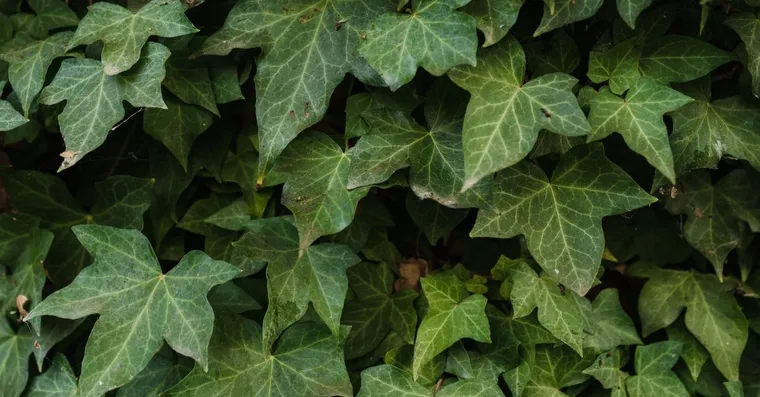
English Ivy Indoor Care: Light, Water, and Keeping It Off the Cat
English ivy grows fast indoors and is toxic to cats and dogs. Here is how to keep it healthy, keep it contained, and decide whether to keep it at all.

How to Propagate String of Hearts: Three Easy Methods
Three ways to propagate string of hearts, from the tubers on the vine to water and soil cuttings, and which gives the fullest plant fastest.

String of Hearts Care: Growing Ceropegia Woodii Indoors
A care guide for string of hearts, covering the light it needs to keep tight heart-shaped leaves, sparing watering, and how to propagate from the tubers.
Not sure what plant you have? Identify it from a photo and we will point you at its care guide.
Frequently asked questions
What is the easiest trailing houseplant?
Pothos. It trails fast, roots from any cutting, and tolerates low light and irregular watering better than almost anything else on this list, with vines reaching 6 to 10 feet (2 to 3 m) indoors if you let them. Heartleaf philodendron is just as foolproof and arguably a touch more tolerant of lower light.
Which trailing plants are safe for cats and dogs?
Four of the nine on this list are regarded as safe for pets: the spider plant, string of hearts, hoya, and Boston fern. Pothos, heartleaf philodendron, tradescantia, string of pearls, and English ivy are all toxic to pets if chewed, so hang them well out of reach.
Why does my trailing plant look thin and sparse?
Almost always light. In a dim corner even pothos grows thin, with long gaps between small leaves, while the same plant in bright indirect light fills out densely. Pinching the growing tips also matters, since it tells the plant to branch into a full curtain rather than a few straggly vines.
Is string of pearls hard to keep?
It is the trickiest plant on this list. It needs the most light, a south or west window or a grow light, and it punishes both watering extremes: the bead-like leaves shrivel if underwatered and rot fast if overwatered. Water only when the beads start to soften slightly, in a gritty succulent mix.