Oxalis Triangularis Care: Growing Purple Shamrock Indoors
How to care for oxalis triangularis (purple shamrock) as a houseplant, from light and watering to its dormancy cycle and how to wake it up again.
Some links in this guide go to Amazon. As an Amazon Associate we earn from qualifying purchases, at no extra cost to you. How this works.
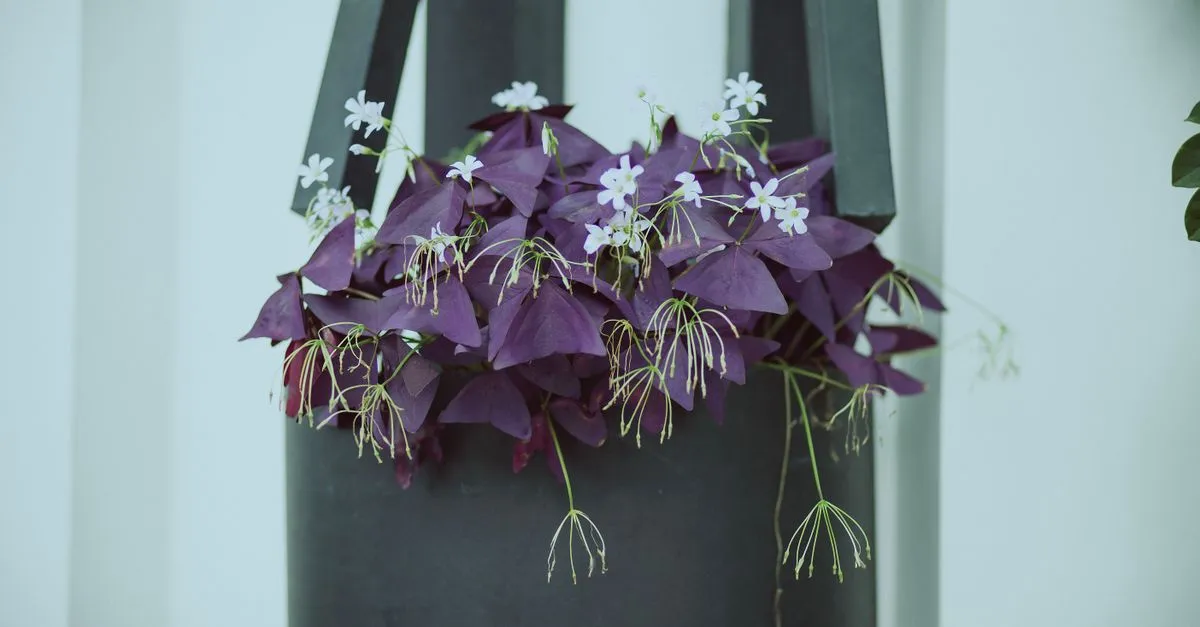
Oxalis triangularis, the purple shamrock, behaves unlike almost any other houseplant on your shelf, and that is exactly why new owners panic. The honest answer to oxalis triangularis care is that the plant is genuinely easy once you understand two things: its leaves fold down at night by design, and it goes dormant on purpose. Get those into your head and the rest is light and water.
Why purple shamrock is not like other houseplants
It grows from corms, which are small bulb-like storage structures sitting just under the soil. Those corms store energy, which is what lets the plant disappear completely and then return.
The leaves also move. This is called photonastic movement: the triangular leaflets open flat in bright light and fold down like tiny umbrellas at night or in dim conditions. A new owner often reads this as wilting and reaches for the watering can. It is not wilting. The leaves will lift again the next time the light is good, so leave them be.
Light: the single biggest factor for color
Oxalis triangularis wants more light than most houseplants, and light is what holds its deep purple color. Bright indirect light is the baseline, and a little direct morning sun is even better for keeping the color rich. Low light is the most common mistake: the plant survives, but the new leaves come in washed out and greenish rather than purple. An east-facing windowsill, or close to a bright south or west window, suits it well. If you are unsure how to judge your light, see how much light your houseplant actually needs.
Watering during active growth
While the plant is growing and producing leaves, keep the soil evenly moist but never waterlogged. Water when the top half inch (1 cm) or two feels dry, let the excess drain away, and do not leave the pot standing in water. The corms rot easily in soggy soil. Our general guide on how to water houseplants covers the basic technique, and it applies here with one twist: you stop almost entirely once dormancy begins.
When the leaves start to yellow, flop, and die back, do not fight it. This is the plant telling you it wants to rest, not that you have done something wrong.
Dormancy: the only tricky part
Every oxalis triangularis goes dormant, usually once or twice a year, often after a heavy flush of growth or during summer heat. The leaves will brown off and the plant can look completely dead. It is not.
Here is what to do, in order:
- Stop watering as soon as the leaves are clearly dying back.
- Trim off the dead foliage once it is fully brown and crisp.
- Rest the pot somewhere cool and dim for four to eight weeks. Leave the corms in the soil and do not water.
- Bring it back into bright light and resume normal watering. New shoots usually appear within a couple of weeks as the corms wake up.
A purple shamrock that looks dead is almost always just resting, and it will return in full once you let the cycle finish.
Feeding
Feed monthly with a balanced liquid fertilizer during active growth, diluted to the strength on the label. Stop feeding entirely once the plant slows down or enters dormancy. A resting plant cannot use the nutrients, and feeding it does no good.
Common problems
Pale, washed-out leaves. The color has gone greenish and weak. This is almost always too little light. Move the plant somewhere brighter and the new growth should come back purple.
Rot during dormancy. The most damaging mistake. Someone keeps watering a resting plant because they think it is dying, and the corms sit wet and rot. When the leaves die back, the watering stops. Full stop.
Sudden total die-back. Alarming but usually normal dormancy, especially in summer heat. Rest it and restart it.
Is it safe around pets
Oxalis triangularis is mildly toxic to cats and dogs because of the oxalic acid in its leaves. A curious nibble tends to cause drooling or an upset stomach rather than anything serious, but it is best kept out of reach. If you want a similarly compact, colorful plant that flowers, African violet care is a gentler project on a windowsill.
What a good year with purple shamrock looks like
A healthy purple shamrock runs in cycles, so expect at least one die-back, most likely in summer heat, and treat it as a scheduled rest rather than an emergency. The single thing that kills this plant is watering the corms while they sleep, so when the leaves brown off, move the pot somewhere cool and put the watering can away until you see new shoots. Keep it bright the rest of the year and each fresh flush will come back the deep purple you bought it for.
Where to go next
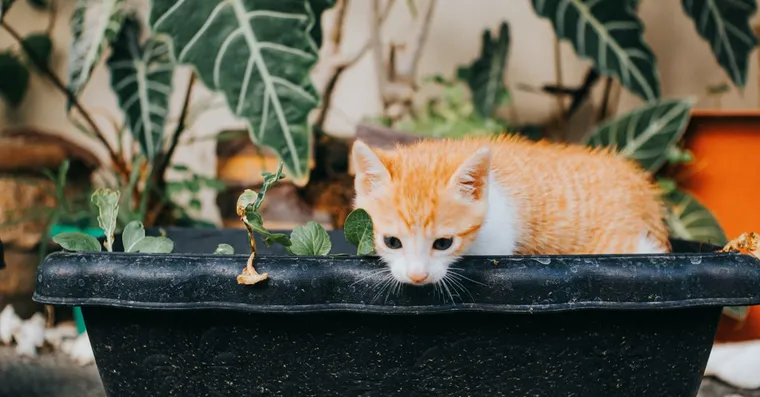
Tall Houseplants Safe for Cats: Beyond the Usual Palm List
Seven tall houseplants that are genuinely safe for cats per the ASPCA list, including several that are not palms, with honest notes on size and difficulty.
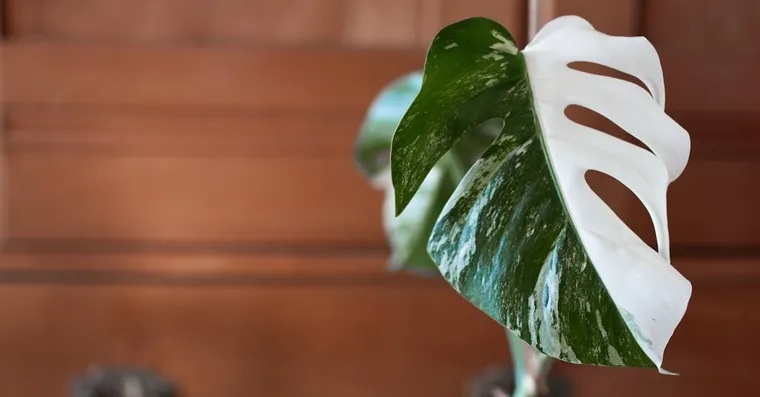
Why Are Houseplants So Expensive, and Are They Worth It?
Why houseplants cost so much: rarity, slow propagation, variegation, size, and hype. When the premium is worth paying, and how to buy well without overpaying.
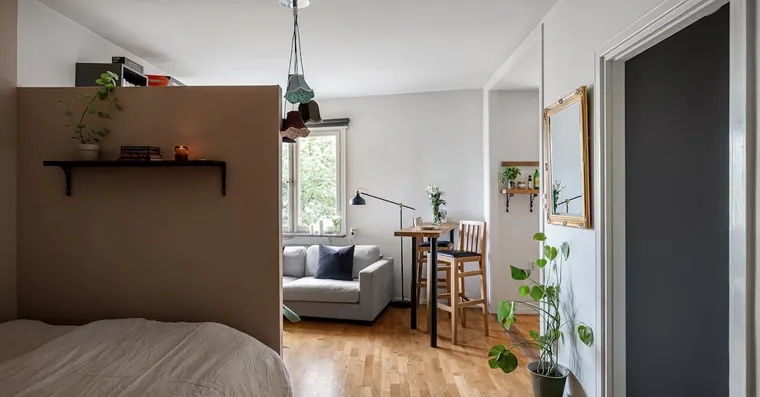
8 Best Houseplants for Small Spaces
The best houseplants for small spaces are compact, adaptable, and do not take over a room. Here are eight that suit flats, shelves, and tight corners.
Not sure what plant you have? Identify it from a photo and we will point you at its care guide.