Where to Buy Houseplants: Garden Centers, Big Shops, and Online
The pros and cons of buying houseplants from garden centers, supermarkets and hardware stores, specialist plant shops, and online sellers, and which suits you.
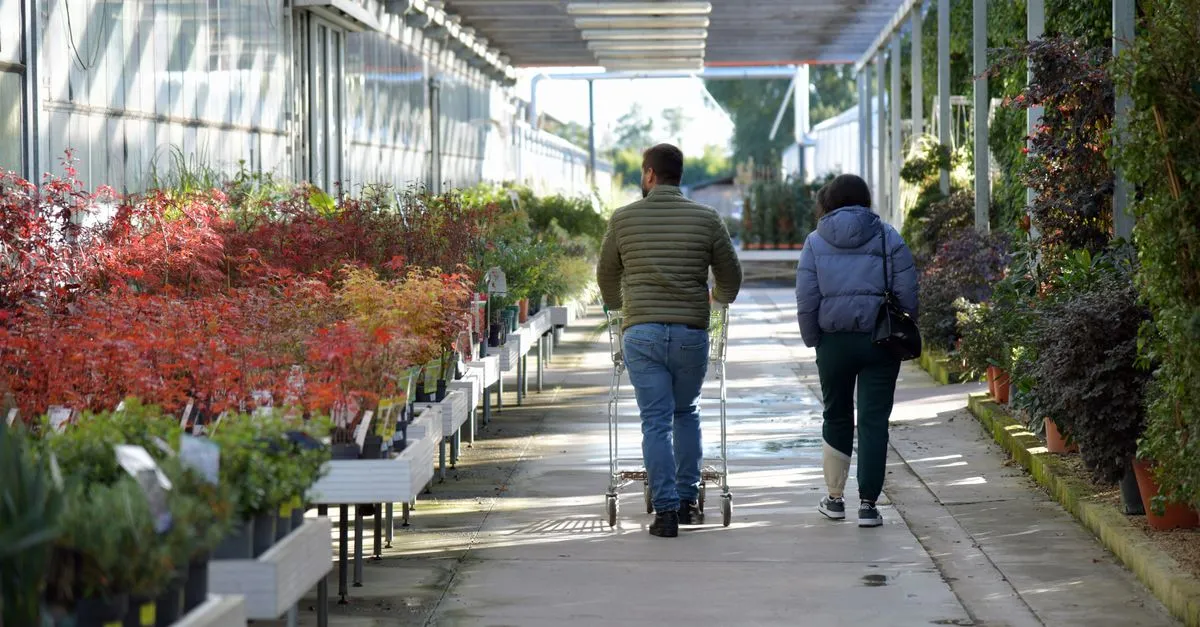
Where you buy a houseplant matters far less than which individual plant you pick up. Every type of shop sells healthy plants and neglected ones side by side, so the honest answer to where to buy houseplants is: wherever you can inspect the plant first, or trust the seller if you cannot. Here is what each option actually gives you, with the trade-offs spelled out.
Garden centers and nurseries
This is the safest default for most people. Choice is wide, plants are usually watered and lit properly, and staff can often answer a real question about light or watering. A true nursery, where plants are grown rather than just resold, tends to have the healthiest stock of all.
The downside is price. You pay for the care and the overheads, so expect to spend more than at a supermarket for the same common plant. For a first plant or a fussy species, that markup is usually worth it.
Where to buy houseplants cheaply: supermarkets and hardware stores
Supermarkets, hardware shops, and DIY stores are the cheap and convenient end. You can grab a pothos or a peace lily with your groceries for a few dollars, and the price is genuinely low.
The catch is care. These plants often sit in low light, get watered on a schedule that ignores what they need, and may be root-bound or freshly stressed from transport. Inspect hard: check under the leaves for pests, feel whether the pot is bone dry or waterlogged, and avoid anything yellowing or wilting. A healthy supermarket plant is a bargain. A neglected one is a project, though a stressed supermarket plant can often be revived if the roots are sound.
Specialist and independent plant shops
Independent plant shops are where quality and knowledge peak. Stock turns over fast, so plants are fresh, you get honest advice from people who actually grow these things, and this is where you find rarer species and unusual varieties.
You pay a premium for all of it. If you want a specific cultivar, a healthy specimen, or a real conversation before you buy, the extra cost buys something the big shops cannot match.
Online and mail-order
Buying online opens up the widest variety by far, including rare plants you will never see locally. For uncommon species, it is often the only option.
The trade-offs are real. You cannot inspect the plant before it arrives, photos can flatter, and shipping itself stresses a plant. Cold weather is the biggest risk: a plant posted in winter can arrive chilled and damaged. Buy from sellers with clear photos and reviews, and read up on what to expect and how to avoid trouble before you order.
A rare label and a high price tell you about scarcity, not about the health of the plant in front of you.
Be skeptical of rare-plant pricing. A lot of online “rare” stock is hype, and a variety that costs a fortune one year is often cheap and common the next once propagation catches up.
Plant swaps, cuttings, and end-of-line sales
This is the cheapest tier of all, and the riskiest. Cuttings from friends, local plant swaps, and the reduced shelf of dying plants can cost almost nothing.
Cuttings and swaps. Free or nearly so, but they can carry pests, so quarantine anything new before it joins your collection. End-of-line sales. Heavily reduced because the plant is stressed or half dead, which is a fair gamble only if you can see the roots and stem are still firm. Buy these knowing some will not make it.
The honest reality
The shop is not the deciding factor. A well looked-after plant from a supermarket will outperform a neglected one from a smart nursery every time. What protects you is knowing how to choose a healthy houseplant: firm stems, no pests, roots that are not bursting from the pot, and new growth. Timing helps too, since spring and summer plants travel and settle better, so it is worth knowing the best time to buy.
Match the source to the plant, not the shop to your route
Next time you want a plant, start from what you are after rather than which shop happens to be on your way. A common, hardy species is fine from anywhere you can pick it up and inspect it, while a specific cultivar or a genuine rarity is worth a specialist shop or a trusted online seller. The habit that protects you whichever route you take is checking the plant yourself before you buy, or leaning on clear photos and reviews when you cannot.
Where to go next
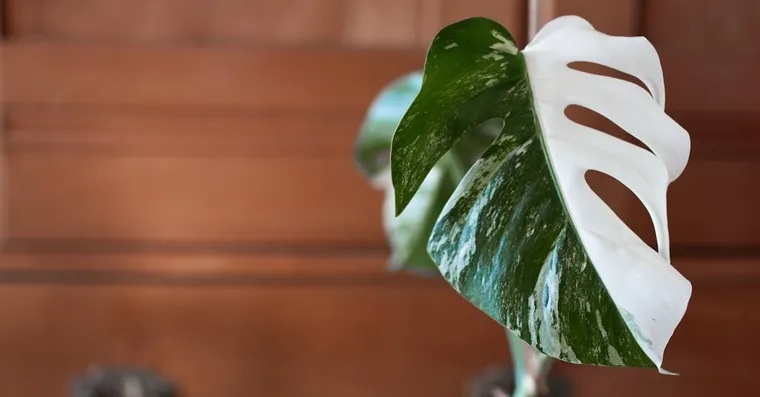
Why Are Houseplants So Expensive, and Are They Worth It?
Why houseplants cost so much: rarity, slow propagation, variegation, size, and hype. When the premium is worth paying, and how to buy well without overpaying.
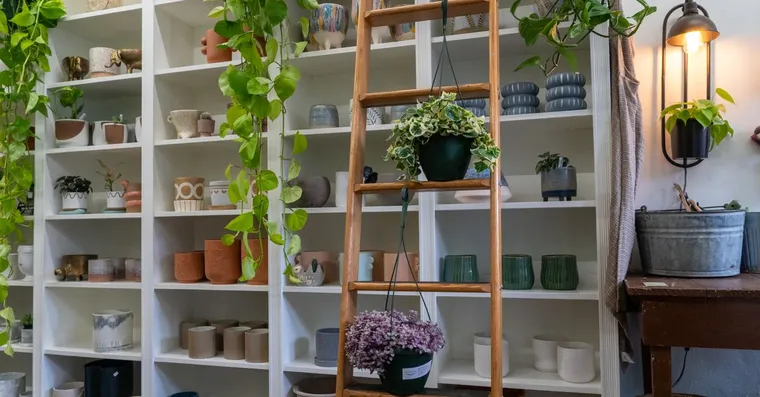
The Best Time to Buy Houseplants (and When to Hold Off)
When to buy houseplants for the best choice and the safest start, why spring and summer beat winter, and how to buy in cold weather without shocking a plant.
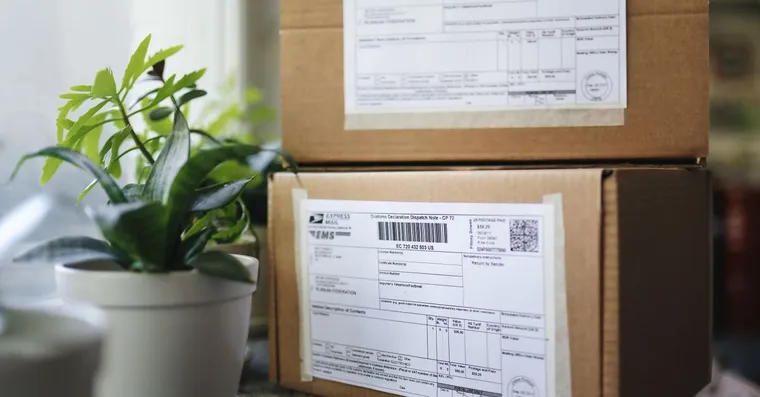
Buying Houseplants Online: What to Expect and How to Avoid Trouble
How to buy houseplants online safely, what really arrives in the box, how to unbox and settle a mail-order plant, and when shipping a plant is a bad idea.
Not sure what plant you have? Identify it from a photo and we will point you at its care guide.