How to Revive a Stressed Supermarket Plant
How to rescue a cheap, neglected houseplant from a supermarket or hardware store, from the first checks to repotting and aftercare, and when a plant is too far gone.
Some links in this guide go to Amazon. As an Amazon Associate we earn from qualifying purchases, at no extra cost to you. How this works.

Most stressed supermarket plants are not dying. They are thirsty, pot-bound, or sitting in soaked soil, and a bit of basic care brings them back. Before you try to revive a supermarket plant, work out whether it is simply stressed or actually rotting, because the two need very different handling.
Quick answer
Most stressed supermarket plants are not dying: they are thirsty, pot-bound, or sitting in soaked soil. Run three checks first. Press the base of the stems, where soft, mushy or sour-smelling means rot and a poor outlook. Slide the plant out and look at the roots, where white or pale tan and firm is healthy and brown or black and slimy is rotted. Then feel the soil to find the cause. Water thoroughly if it is bone dry, hold off entirely if it is sodden, repot only if the soil is waterlogged or the roots are circling tightly, and trim only what is clearly dead. Give it bright, sheltered light, no fertilizer for a few weeks, and quarantine it away from your other plants. New growth is the sign it turned the corner, and that can take three or four weeks.
First, check whether it is stressed or rotting
Run three quick checks before you do anything. They take a minute and they decide everything that follows.
The base of the stems. Press gently where the stems meet the soil. Firm is good. If it feels soft or mushy, or smells sour, the plant is rotting from the base and the outlook is poor.
The roots. Slide the plant out of its pot and look. Healthy roots are white or pale tan and firm to the touch. Brown or black roots that are slimy and fall apart are rotted. A few bad roots among healthy ones are fine. Mostly bad roots are not.
The cause of the stress. Feel the soil. Bone dry and shrunk away from the sides of the pot means it was left thirsty. Heavy and soaked long after it should have dried means it was overwatered or has no drainage. A solid mat of root with almost no soil left means it is root-bound.
How to revive a supermarket plant that is just stressed
Once you know the cause, the fixes are straightforward. Work through them in this order.
Water thoroughly if it is bone dry. This rescues more supermarket plants than anything else. Water slowly until it runs from the drainage holes, then let it drain fully and never leave the pot standing in the runoff. If the soil has pulled away from the sides, sit the pot in a bowl of water for twenty minutes so the rootball can soak right through, then drain it.
Hold off water if the soil is sodden. A waterlogged plant needs the opposite. Do not water again. Tip it out, remove the wettest soil, and repot into fresh, free-draining mix. If the roots are already mushy you are dealing with root rot, and the steps for saving an overwatered plant apply.
Repot only if you have to. A new plant does not need repotting just because it is cheap. Do it only when the soil is sodden or the roots are circling the pot in a tight spiral. Otherwise leave it where it is for now and let it settle.
Trim only what is clearly dead. Cut off yellow, brown, or collapsed leaves and any stems that are dry and hollow. Leave anything still green, even if it looks tired. It can recover.
Give it a bright, sheltered spot and no food. Put it somewhere with good light but out of harsh midday sun and away from cold drafts and radiators. Do not fertilize for a few weeks. A stressed plant cannot use feed, and it will only burn struggling roots.
Splitting one pot into several plants
Supermarkets often cram several seedlings into one pot so it looks full and sells fast. This is the hidden bargain. Water the pot first to soften the soil, then gently tease the rootball apart into its separate plants, keeping roots on each piece. Pot them up individually and you turn one cheap plant into three or four.
A crammed pot is not one plant, it is several plants waiting to be separated.
When a bargain plant is beyond saving
Some are not worth rescuing. A black, mushy base or roots that have rotted to slime will rarely recover, and trying to nurse it risks rot and fungus gnats spreading to healthy plants nearby. Cut your losses, throw out the plant and its soil, and wash the pot before you reuse it.
Whatever you bring home, keep it apart from your other plants while it recovers. A stressed supermarket plant often arrives with pests or disease, so quarantine it for a couple of weeks and watch it before you let it join the collection.
The slow part is letting it settle
The biggest mistake after a rescue is impatience: repotting, feeding, and shifting the pot about when the plant just needs steady light and to be left alone. New growth, not the absence of dead leaves, is the sign it has turned the corner, and that can take three or four weeks, so hold off on the watering can and resist moving it in the meantime. If you can choose when to bring a bargain plant home, spring or early summer gives it the warmth and light to recover fastest.
Where to go next
Fungus Gnat Larvae: What They Look Like and How to Kill Them
Fungus gnat larvae live in the top few centimetres of soil and eat roots. Here is how to confirm you have them and the treatments that actually clear them.
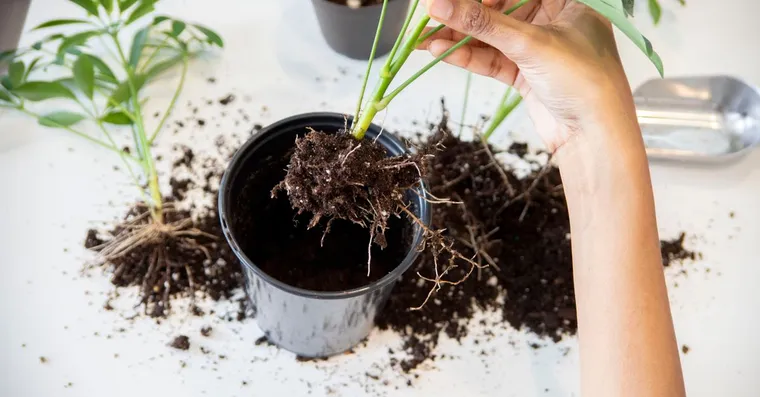
What Does Root Rot Look Like? Signs at Every Stage
Root rot is diagnosed at the roots, not the leaves. Here is what healthy and rotting roots look like, and which above-ground signs point to it.
Why Is My Monstera Turning Yellow? Causes and Fixes
Yellow leaves on a monstera usually mean a watering problem, but light, feeding, and age all matter; here is how to tell them apart.
Not sure what plant you have? Identify it from a photo and we will point you at its care guide.