Why Your Variegated Plant Is Reverting to Green
Why variegated houseplants lose their white or yellow patches and go all-green, what triggers reversion, and whether you can stop or reverse it.
Some links in this guide go to Amazon. As an Amazon Associate we earn from qualifying purchases, at no extra cost to you. How this works.
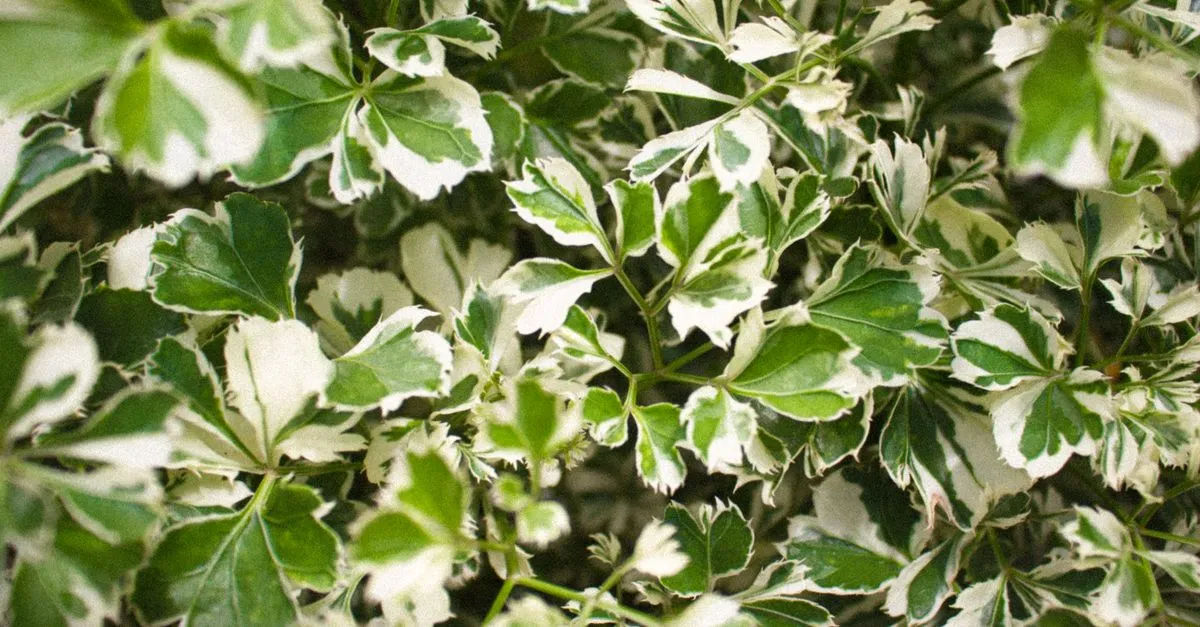
Variegation reverting in houseplants almost always comes down to one thing: not enough light. The pale parts of a variegated leaf carry little or no chlorophyll, so they cannot photosynthesize, and when a plant is short on light it starts producing greener cells to feed itself. The hard part to accept is that once a stem has turned fully green it stays green, and only new growth from a still-variegated point will carry the pattern again.
Quick answer
A variegated plant reverting to green almost always means not enough light. The pale parts of the leaf carry little or no chlorophyll, so in a dim spot the plant falls back on green growth that can actually feed it. Move the plant into brighter indirect light immediately and prune any solid-green shoot back to the last node that still shows good pattern, because a stem that has turned fully green stays green. Brighter light protects future growth only; it does not repair leaves that have already reverted.
What variegation actually is
Variegation is simply the absence of chlorophyll in some of a leaf’s cells. Where chlorophyll is missing you see white, cream, yellow, or pink instead of green. How it behaves depends on what causes it, and the three common types are not equal:
- Chimeral variegation. The most prized and the most fragile. The plant is a mosaic of two genetically different cell layers, one normal and one unable to make chlorophyll. This is the type behind variegated Monstera deliciosa and most expensive collector plants, and it is the type that reverts. It is passed on only through cuttings, never reliably from seed.
- Pattern or genetic variegation. Built into the plant’s DNA and largely stable, as in many Calatheas and the silver markings on a satin pothos. This rarely reverts.
- Virus-induced variegation. Caused by a pathogen rather than genetics. Uncommon in the houseplant trade and not something you want to spread to other plants.
If your plant is losing its pattern, it is almost certainly the chimeral kind.
Why variegated houseplants revert to green
A fully green leaf has more chlorophyll, so it makes more energy than a half-white one. In bright conditions a chimeral plant can afford to keep its variegation. In a dim corner it cannot, so it falls back on the cells that actually feed it and pushes out green growth instead.
Green growth is faster and stronger than variegated growth, which is exactly why a plant left in poor light will choose it every time.
Low light is the main trigger by a wide margin. It is not a disease, a pest, or a watering fault. It is the plant making a survival decision.
How reversion progresses
Reversion usually starts at one point and spreads. A single stem or branch produces a leaf with far less white than the rest, then the next leaf on that stem has even less, until that whole shoot is solid green. Because green growth is more vigorous, that shoot then races ahead and the plant ends up mostly green within a season or two. Catching it at the first green leaf matters far more than catching it later.
What to do about it
Act in this order:
- Move it to brighter indirect light immediately. This is the single most useful step. Bright, indirect light near a window, or a grow light, gives the plant enough energy to keep producing variegation in its new growth. See how much light your houseplant actually needs for what that means in practice.
- Prune the green shoot back to the last variegated node. Green-on-green growth will not turn variegated again on its own, so cutting it off redirects the plant’s energy into buds below the cut, which are more likely to break with variegation. Cut just above a node that still shows good pattern.
- Go easy on fertilizer. Heavy feeding pushes fast, lush, all-green growth, which is the opposite of what you want. Feed lightly during the growing season and skip it in winter.
What not to do
Do not assume the plant will sort itself out. Reversion does not reverse without intervention. And do not expect brighter light to repair leaves that have already gone green. Light protects future growth only. The existing green leaves are permanent, so the choice is to keep them for now or prune them to steer the plant.
Some plants revert no matter what
Care is not the whole story. Some cultivars, especially unstable tissue-culture varieties churned out fast for sale, revert readily however well you light them. This is worth knowing before you spend a lot, and it is part of the honest answer to whether expensive houseplants are worth it. A cheap, stable variegated plant can hold its pattern far better than a pricey unstable one.
Keep an eye on the newest leaves
The newest leaf on each shoot is your early warning, so check your most variegated plants every week or two and act the moment one comes in noticeably greener than the rest. Move the plant somewhere brighter first, and if a shoot has already gone solid green, prune it back to a variegated node rather than waiting to see what happens. Treat steady, bright indirect light as the ongoing price of keeping the pattern, not a one-off rescue.
Where to go next
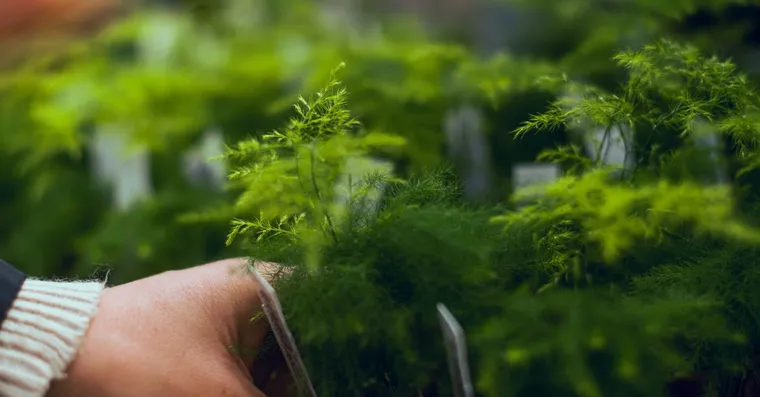
Asparagus Fern Care: Not a Fern, and It Has Thorns
Asparagus fern is not a fern, it is toxic to cats and dogs, and mature stems carry spines. Here is how to grow it and what to know first.
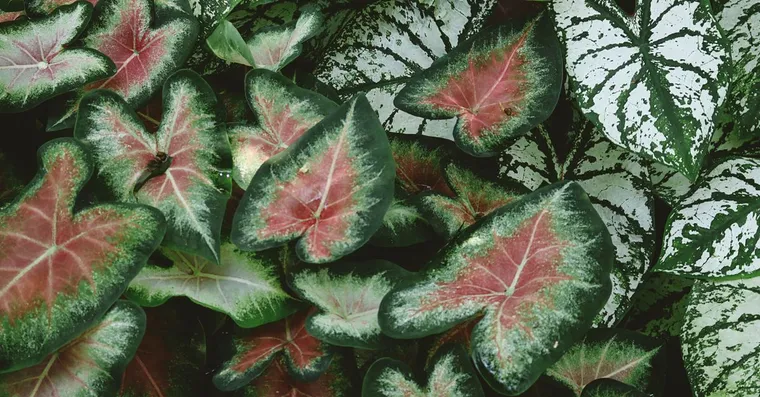
Caladium Care: Bright Leaves, Winter Dormancy, and Toxic Sap
Caladiums die back every winter and that is normal, not failure. Here is how to grow the tubers indoors and why they need care around pets.
Fungus Gnat Larvae: What They Look Like and How to Kill Them
Fungus gnat larvae live in the top few centimetres of soil and eat roots. Here is how to confirm you have them and the treatments that actually clear them.
Not sure what plant you have? Identify it from a photo and we will point you at its care guide.