Anthurium Care: How to Keep It Flowering Indoors
A guide to anthurium care that explains light, watering, and feeding so the plant keeps producing its glossy red flowers indoors.
Some links in this guide go to Amazon. As an Amazon Associate we earn from qualifying purchases, at no extra cost to you. How this works.
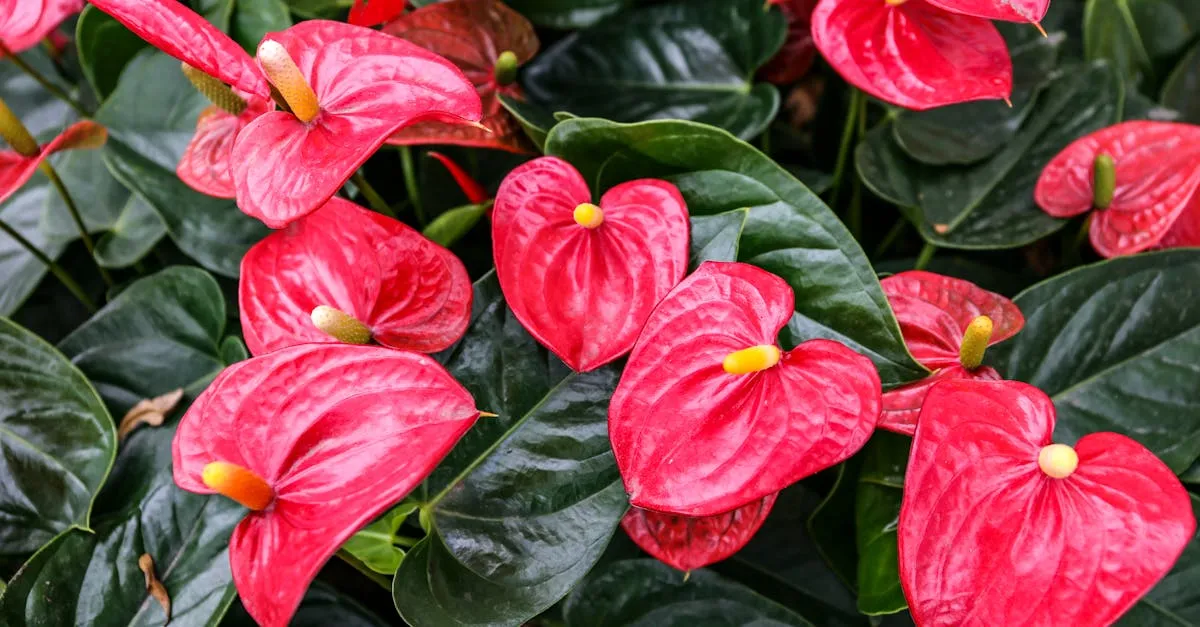
Most anthurium care advice promises year-round flowers, but the honest answer is simpler: an anthurium reblooms only when it gets enough bright, indirect light. Give it a dim corner and it will stay alive, stay green, and produce nothing. If your plant looks healthy but refuses to flower, light is almost always the reason.
What the flowers actually are
The glossy red, pink, or white “flower” is not a flower at all. It is a modified leaf called a spathe, and the true flowers are the tiny bumps on the upright spike, the spadix. This matters for care, because the plant treats blooming as an energy investment. It will only make spathes when its conditions are good enough to spare the energy. A green-only anthurium is telling you something is short, and that something is usually light.
Anthurium care starts with light
This is the part most owners get wrong. Anthurium care depends on bright, indirect light: a spot near an east-facing window, or 3 to 6 feet (1 to 2 m) back from a brighter south or west window. In that light the plant flowers steadily for much of the year. In low light it survives but stops blooming, and new leaves come in smaller and further apart.
If your only available spot is dim, accept that you are keeping a foliage plant, or add a grow light. Direct midday sun is the other extreme: it scorches the leaves and bleaches the spathes to a papery beige. Bright but filtered is the target. For working out what your window actually offers, see how much light your houseplant needs.
Why your anthurium will not flower
If the plant has good-looking leaves but no spathes, run through these four checks in order.
- Bright enough to read comfortably without a lamp on? If you need to switch a light on to read in that spot, the plant cannot flower. Move it before doing anything else; nothing else matters until light is solved.
- Same pot for more than two years? A rootbound plant diverts its energy to root management rather than blooming. Move it up one pot size and give it a season to settle.
- Mid-winter, roughly October to February? Anthuriums take a rest period then. A missed flowering cycle during those months is normal, not a failure.
- No feed for six or more months? Try a phosphorus-boosted fertilizer (look for a middle NPK number of 10 or higher) at half the recommended rate for two months before deciding the plant is broken. See the guide to fertilizing houseplants for the full approach.
Lucy Liu, at her London nursery, begins her own non-flowering diagnosis with a physical check before adjusting conditions: roots first (are the aerial roots thick, silvery, and plump?), then the petioles for pest damage, then how deep the crown sits in the pot. The mistake she sees most often is the plant buried too deep in dense, soggy compost; anthuriums grow more like epiphytes than true soil plants, and the upper root crown needs to sit high enough to breathe.
Why spathes turn green
New spathes emerge red, fade to pink, then go greenish-white over 4 to 8 weeks as the pigment breaks down. That progression is normal senescence, not disease. Cut spent spathes at the base when the color has gone.
A spathe that emerges green from the start is a different matter. It signals stress: almost always low light or a cold drop below 60°F (15°C). Cut it and fix the underlying condition rather than waiting it out.
Aerial roots: leave or tuck
Thick, pale aerial roots growing from the lower stem are healthy. You can press them gently into the potting mix so they absorb moisture, or simply leave them as they are. Trim only if they are dry and brittle. Do not pull out plump, firm roots; they are actively working.
Watering without rotting the roots
Anthuriums have thick, fleshy roots that dislike sitting wet. Water when the top 3/4 to 1 inch (2 to 3 cm) of mix feels dry, then water thoroughly until it drains from the bottom. Empty the saucer afterwards.
The most common killer is overwatering, which leads to root rot. Yellowing lower leaves and a sour smell from the pot are warning signs. Underwatering is less dangerous but shows as brown, crisp leaf tips. If you see that, check your watering rhythm before blaming anything else; our guide to brown leaf tips covers the other causes.
Water quality and brown tips
Anthuriums are sensitive to both fluoride and chlorine. Fluoride tip burn has a distinctive look: brown tips with a yellowish margin between the dead tissue and the green leaf. That is distinct from the crisp, even brown of underwatering. If you see the yellowish-margin pattern, let tap water stand uncovered for 24 hours before using it so the chlorine off-gasses, or switch to rain water or filtered water. Lucy, working with London’s notably hard tap water, finds that plants watered on mains supply not only develop that brown-tipped pattern but produce spathes that come out looking faded and dull from lime build-up; switching to rainwater brought new spathes out noticeably brighter and glossier. Never use softened water; the sodium it carries damages roots over time. For a full explanation of why water chemistry matters, see the guide to tap water for houseplants.
Humidity, warmth, and potting mix
Humidity. Anthuriums are tropical and prefer humidity above 50 percent. In dry rooms, leaf edges brown and flowering slows. A pebble tray or a nearby humidifier helps more than misting does. See the houseplant humidity guide for practical methods. Alocasia has similarly demanding humidity and light requirements; the alocasia care guide is worth reading if you keep both plants.
Warmth. Keep them between 65 and 80°F (18 and 28°C). They stop growing below 60°F (15°C) and dislike cold drafts and the dry blast of radiators.
Potting mix. Use a chunky, airy mix: standard potting compost cut with orchid bark and perlite. A dense, water-retaining mix is the fastest route to rot. Our guide to choosing potting mix explains the ratios.
Feeding to encourage reblooming
Light gives an anthurium permission to flower; feeding gives it the materials. During spring and summer, use a balanced liquid fertilizer at half strength every four to six weeks. A fertilizer slightly higher in phosphorus (middle NPK number 10 or above) supports blooming, but light remains the limiting factor: feeding a plant in a dark corner will not make it flower. Stop or reduce feeding in winter when growth slows.
An anthurium in a dim room is not unhealthy, it is just unpaid: it has no spare energy to spend on flowers.
Routine upkeep
Wipe the broad leaves with a damp cloth every few weeks so they can absorb light efficiently. Remove spent spathes by cutting the stalk near the base. Repot every two to three years, or when roots crowd the surface, moving up just one pot size. Anthuriums are toxic if chewed, so keep them away from pets and children; for safer options see our pet-safe houseplants guide.
Light first, then everything else
If your anthurium is healthy but bare, resist the urge to repot or pile on fertilizer before you have moved it somewhere bright enough to read in without a lamp, because no amount of feed will buy flowers in a dark corner. A well-placed plant should push out a fresh spathe every couple of months through spring and summer, so treat a long flowerless stretch outside the October to February rest as a light problem until proven otherwise.
Where to go next
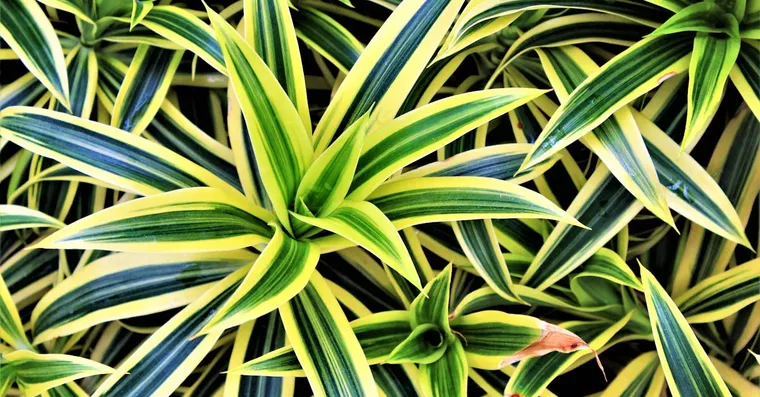
Dracaena Care: An Easy Plant That Hates Tap Water
A care guide for dracaena covering its light and watering needs, plus why fluoride and salts in tap water cause brown leaf tips.
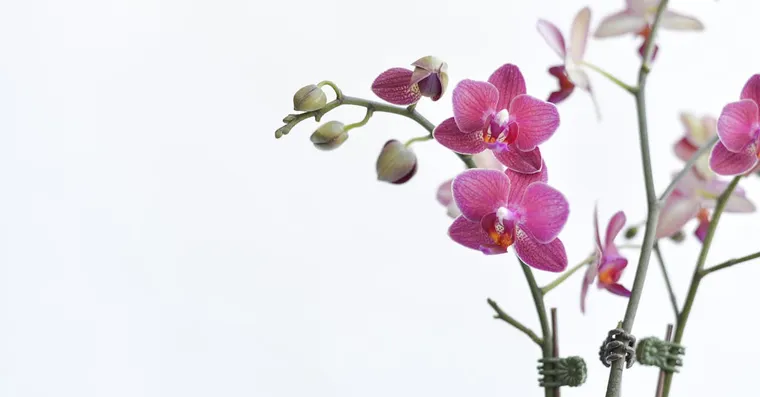
Phalaenopsis Orchid Care: Watering, Light, and Reblooming
A beginner-friendly guide to moth orchid care, covering how to water it, where to place it, and how to encourage a second bloom.
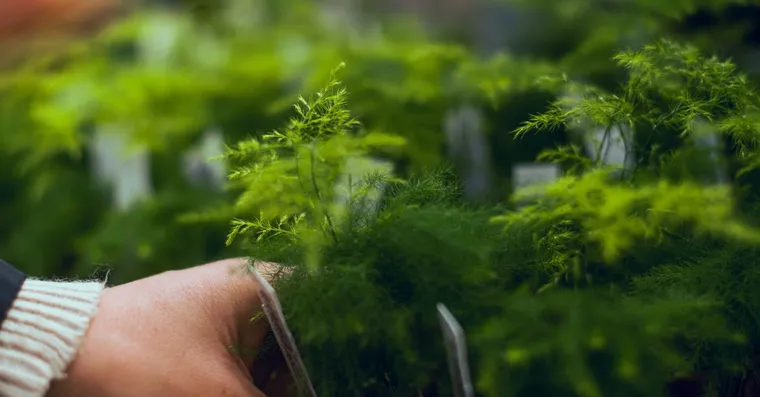
Asparagus Fern Care: Not a Fern, and It Has Thorns
Asparagus fern is not a fern, it is toxic to cats and dogs, and mature stems carry spines. Here is how to grow it and what to know first.
Not sure what plant you have? Identify it from a photo and we will point you at its care guide.
Frequently asked questions
Why won't my anthurium flower?
Work through four checks in order: (1) Is the room bright enough to read comfortably without a lamp on? If not, move the plant before anything else. (2) Has it been in the same pot for more than two years? A rootbound plant stalls blooming; move it up one pot size. (3) Is it mid-winter, roughly October to February? Anthuriums rest then, and a missed cycle is normal. (4) Has it gone unfed for six or more months? Try a phosphorus-boosted fertilizer (middle NPK number 10 or higher) at half rate for two months before concluding the plant is broken.
Why is my anthurium spathe turning green?
This is normal aging. New spathes emerge red or pink, then fade to greenish-white over 4 to 8 weeks as the pigment breaks down. A spathe that comes out green from the start is a stress signal, usually low light or a cold drop. Cut it and fix the underlying condition.
Can I use tap water on anthuriums?
Tap water is usually fine if you let it stand for 24 hours so the chlorine off-gasses. Anthuriums are sensitive to fluoride, which causes brown tips with a yellowish margin at the edges. If that pattern appears, switch to rain water or filtered water. Never use softened water, which carries elevated sodium.
What are the aerial roots on my anthurium?
Thick, pale aerial roots emerging from the lower stem are healthy. You can press them gently into the potting mix so they absorb moisture, or leave them alone. Only trim them if they are dry and brittle. Do not pull out plump, firm roots.