Alocasia Care: Light, Water, and Surviving Dormancy
A care guide for alocasia covering its light and watering needs and explaining why the plant sometimes drops leaves and goes dormant.
Some links in this guide go to Amazon. As an Amazon Associate we earn from qualifying purchases, at no extra cost to you. How this works.
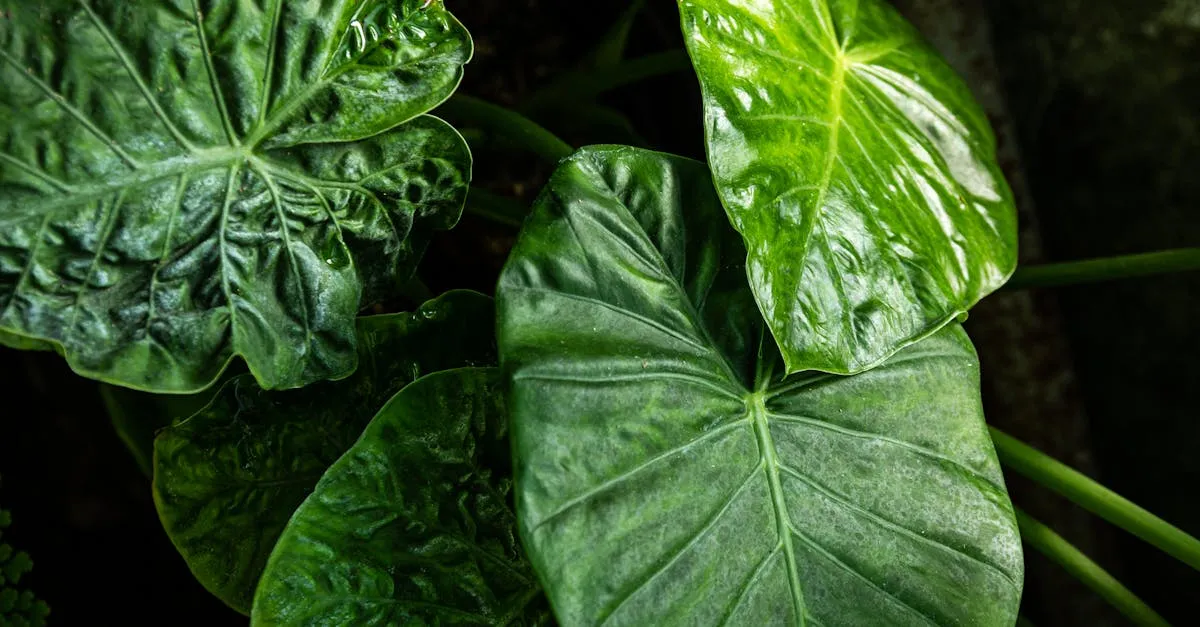
Alocasia has a reputation for being dramatic, and some of that is earned: it sulks after a move, drops leaves without warning, and slows almost to a stop in winter. But most of what looks like decline is normal behavior. Good alocasia care is less about rescuing a struggling plant and more about understanding its rhythm.
What alocasia actually needs
Alocasia is a tropical plant grown from a tuber, and its needs follow from that.
| Feature | Alocasia Polly | Alocasia Amazonica |
|---|---|---|
| Origin | Tissue-culture selection, compact form | Older nursery hybrid, broader selection |
| Leaf size | Smaller, typically 8 to 12 inches (20 to 30 cm) | Larger, can reach 18 inches (45 cm) or more |
| Vein color | Bright white, very pronounced | White to cream, similar prominence |
| Plant height | 12 to 20 inches (30 to 50 cm) indoors | 2 to 3 feet (60 to 90 cm) indoors |
| Care needs | Identical: bright indirect light, 60% humidity, well-draining soil | Identical: bright indirect light, 60% humidity, well-draining soil |
| Availability | Very common in garden centers | Common, sometimes sold as Polly |
Light. Bright, indirect light is the target. An east-facing window, or 3 feet (1 m) back from a south or west-facing one, suits it well. Direct midday sun scorches the leaves; deep shade invites rot. If your room is genuinely dim, a grow light makes a real difference.
Water. Water when the top 1 to 2 inches (3 to 5 cm) of soil have dried, then water thoroughly until it drains. Alocasia likes consistent moisture but hates sitting in it. Soggy soil is the fastest route to root rot. See our overwatering vs underwatering guide if you are unsure which direction you are getting wrong.
Humidity. Target 60 percent relative humidity. Below 40 percent, spider mites can colonize the plant within one to two weeks in a heated room. Above 80 percent without airflow, fungal leaf spot becomes a real risk. Misting barely moves the needle; a humidifier or plant grouping is more effective. Put a cheap hygrometer near the pot so you know your actual number. Our humidity guide covers the practical methods.
Soil and potting. Use a chunky, free-draining mix with bark or perlite, in a pot with drainage. Repot only every couple of years.
Feeding. Fertilize monthly at half strength during spring and summer. Stop in autumn and winter.
Why losing leaves is usually normal
Alocasia constantly cycles its leaves: as a new one unfurls, an older one often yellows and dies. A plant dropping its oldest leaf while pushing new growth is healthy. Worry only when leaves are lost faster than they are replaced, or when new growth itself looks pale, stunted, or distorted.
An alocasia dropping its oldest leaf while unfurling a new one is not dying. It is just growing.
Is my alocasia dead or dormant?
A leafless alocasia looks identical whether it is resting or dying. Work through these three checks.
- Press the tuber. Firm means dormant. Soft or mushy means rot; see root rot treatment for whether any part is salvageable. Lucy Liu, at her London nursery, presses a finger an inch into the soil and squeezes the corm directly: rock-solid and firm means it is sleeping, squishy and oozing means it is gone.
- Scratch the stem base. Green tissue underneath means the plant is alive. Brown or hollow means that section is gone.
- Check how dry the soil got. Bone-dry soil can desiccate a healthy corm without rot. The goal through winter is barely moist, not bone dry and not wet.
Firm tuber plus green at the base: the plant is dormant. Water sparingly and add warmth. Soft tuber with a sulfur smell: it is gone. Lucy has brought back dozens that looked completely lost above ground; kept barely moist on the nursery bench through winter, they push a green spear up through bare soil the moment spring warmth returns.
Surviving dormancy in winter
As light and temperature drop, alocasia may lose most or all of its leaves and retreat to the tuber. Handle a dormant plant like this:
- Cut back on water sharply. With no leaves drawing moisture, wet soil will rot the tuber. Water just enough to prevent bone-dry soil, perhaps every few weeks.
- Keep it warm and stable. Above 60°F (15°C), away from drafts. Below 50°F (10°C), tuber damage is possible even without rot.
- Stop fertilizing. Salts build up in soil a resting plant cannot use.
- Leave the tuber in the pot. Do not repot until spring.
When days lengthen, fresh leaves will follow. A plant that vanished over winter can return within weeks.
Propagating alocasia from corms
Small offsets called corms form around the main tuber and are the most reliable way to multiply alocasia. Harvest them at the spring repot only.
- Identify viable corms. A good corm is firm, beige-brown, and marble to golf-ball size. Anything soft, dark, or smelling of sulfur is already rotted; discard it.
- Plant just below the surface of moist perlite or sphagnum moss. Both drain freely while retaining enough moisture for germination.
- Keep above 70°F (21°C). Below that, germination stalls.
- Wait four to eight weeks for the first leaf. Not every corm germinates; if you have several, pot them all.
- Give stragglers time. A corm that has not sprouted by eight weeks may still be viable. Wait another two to three weeks before writing it off.
When something is genuinely wrong
Mushy, brown stems at the soil line point to root rot, the most serious issue. Fine webbing and stippled, fading leaves mean spider mites, which thrive when humidity falls below 40 percent. Crisp brown edges usually signal low humidity or inconsistent watering, covered in our brown leaf tips guide. Sudden mass leaf loss in spring or summer is the real warning and deserves investigation. Alocasia is also toxic to cats, dogs, and people if chewed, because of the calcium oxalate crystals throughout the plant, so keep it out of reach and see our pet-safe houseplants guide for non-toxic alternatives. If you want a similarly bold tropical in the same bright-indirect spot but with fragrance, indoor jasmine can share the same conditions.
Judge the tuber, not the leaf count
The mistake that kills more alocasias than any pest is binning a bare pot in midwinter, or watering a leafless plant on its summer schedule until the corm rots. Before you give up, press the tuber and scratch the stem base; a firm corm with green tissue underneath just needs warmth, a much drier pot, and the lengthening days of spring. Get through that first dormancy without panicking and you will have the measure of the plant for every winter after.
Where to go next
Asparagus Fern Care: Not a Fern, and It Has Thorns
Asparagus fern is not a fern, it is toxic to cats and dogs, and mature stems carry spines. Here is how to grow it and what to know first.
Caladium Care: Bright Leaves, Winter Dormancy, and Toxic Sap
Caladiums die back every winter and that is normal, not failure. Here is how to grow the tubers indoors and why they need care around pets.
Majesty Palm Care: Light, Water, and Why It Browns
Majesty palms are sold as easy indoor palms and are not. They want more light, more water, and more humidity than a living room usually offers.
Not sure what plant you have? Identify it from a photo and we will point you at its care guide.
Frequently asked questions
Is my alocasia dead or dormant?
Press the tuber firmly. Firm means dormant; soft or mushy means rot. Scratch the stem base with a fingernail: green tissue underneath means the plant is alive, brown or hollow means that section is gone. Finally, check whether the soil was kept barely moist through winter. Bone-dry soil can desiccate a healthy corm without any rot involved.
What humidity does an alocasia need?
Aim for 60 percent relative humidity. Below 40 percent, spider mites can colonize the plant within one to two weeks in a heated room. Above 80 percent without airflow, fungal leaf spot becomes likely. A cheap hygrometer placed near the pot tells you where you actually stand.
How do I propagate alocasia from corms?
At spring repot, look for small round offsets on the main tuber. A viable corm is firm, beige-brown, and roughly marble to golf-ball size. Plant each one just below the surface of moist perlite or sphagnum moss, keep above 70°F (21°C), and expect the first leaf in four to eight weeks. Not every corm germinates, so pot several if you have them.
How much light does an alocasia need?
Alocasia needs bright, indirect light for most of the day. An east-facing window works well; a south or west-facing window is fine if the pot sits 3 feet (1 m) or so back from the glass so midday sun does not hit the leaves directly. Direct sun scorches the large leaves quickly, while a genuinely dim room slows growth and invites rot. If your brightest spot is still low light, a grow light placed close overhead will compensate.
Are Alocasia Polly and Alocasia Amazonica the same plant?
They are very similar but not identical. Alocasia Amazonica is the older hybrid name; Alocasia Polly is a compact, tissue-culture selection of that hybrid bred for smaller leaves and a tidier shape. In practice the two plants have almost identical care needs, and nurseries sometimes label them interchangeably. If you see slight differences in leaf size or the prominence of the white veining, that is normal variation between selections rather than a sign of a different species.