Hydrophobic Potting Soil: Why Water Runs Straight Through the Pot
When water races out the drainage holes in seconds and the plant still droops, the soil has gone hydrophobic. How to rewet it properly and stop it recurring.
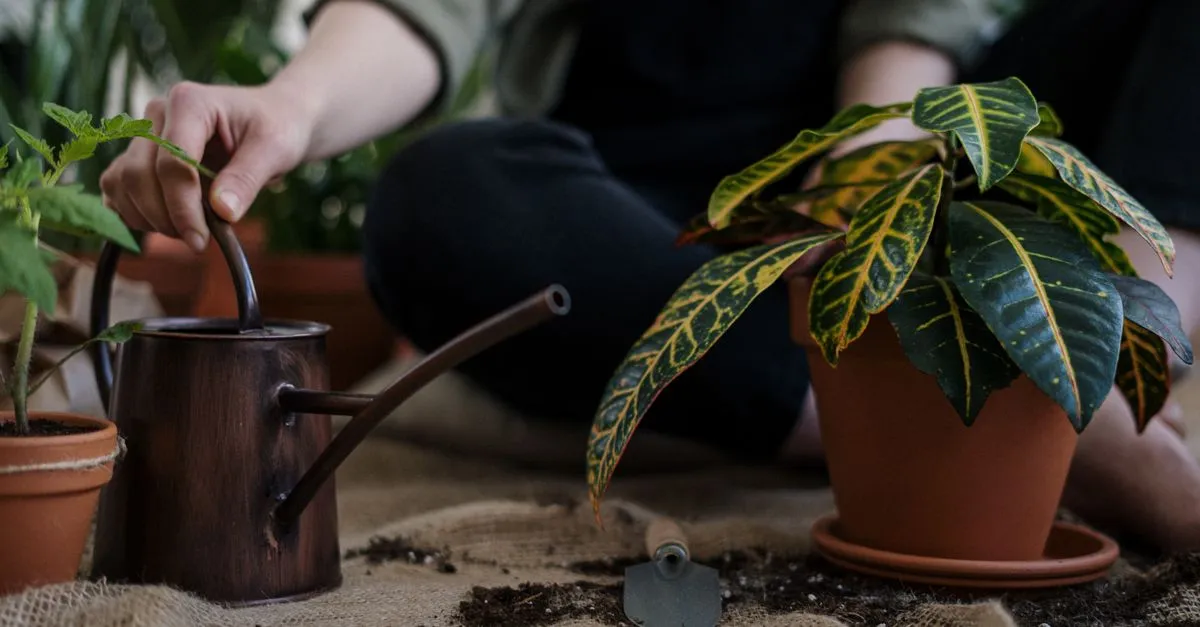
If water runs straight through the potting soil and out the drainage holes within seconds, the problem is almost never that you have overwatered. The soil has dried out so completely that it has turned water-repellent, and whatever you pour on top runs down the gap between the soil and the pot instead of soaking in. Your plant is going thirsty in soil that looks wet.
Quick answer
Water racing out of the drainage holes within seconds means the soil has dried out so completely it has turned water-repellent, and the water is running down the gap between the shrunken root ball and the pot wall instead of soaking in. The fix is a bottom soak: stand the pot in about 2 inches (5 cm) of room-temperature water for fifteen to twenty minutes until it feels heavy again. Pouring more water on top just runs through faster. Prevent it by watering before a peat mix goes bone dry, and judge by the weight of the pot, not the look of the surface.
The symptom that tricks you
The giveaway is a set of signals that seem to contradict each other. The pot is light. Lift it and it feels close to empty, far lighter than a properly watered plant of the same size. Water comes straight out the bottom. You pour, and within a second or two it is already running from the drainage holes, far too fast for the soil to have absorbed any of it. The surface looks damp, but only the top 1/8 inch (few mm) is wet, and they dry again within the hour. The plant keeps drooping or its leaves stay limp, because the root ball at the center never got a drop. If you tip the plant out, the middle of the root ball is often dust-dry.
Why water runs straight through the potting soil
Most bagged houseplant mixes are peat or coir based, and both share an awkward habit: once they dry out completely, they stop accepting water. The fibers shrink, the surface goes waxy, and water beads off rather than soaking in, the same way a dry kitchen sponge repels the first splash. At the same time the whole root ball shrinks away from the pot wall, opening a narrow channel all the way round. Top watering then takes the path of least resistance, running down that channel and out the holes without ever touching the compacted, dry core where the roots are. This is why the fix is never simply to water more from the top. More top watering just runs through faster.
How to rewet the root ball, ranked
Bottom soak first. This is the reliable fix. Stand the pot in a basin, sink or bucket with about 2 inches (5 cm) of room-temperature water and leave it for fifteen to twenty minutes. The soil draws water up slowly through the drainage holes, which is the one direction it will still absorb from. It is done when the pot feels heavy again and the surface is damp to the touch. Let it drain fully before it goes back on its saucer. If you want the full method, see bottom watering houseplants.
Break up the caked surface. For soil that has set into a hard crust, gently push a bamboo skewer or chopstick straight down in a few places before you soak. This opens channels so water can move sideways into the core rather than sheeting off the top. Go slowly and stay near the edges to avoid spearing roots.
A single drop of dish soap, for stubborn cases only. If a plain soak still will not wet through, add one small drop of unscented washing-up liquid to the soak water. It lowers the surface tension so water can penetrate the waxy fibers, acting as a wetting agent. One drop is plenty; more can harm roots. Honestly, that is all a commercial “wetting agent” product is, sold at a markup, so there is rarely a reason to buy one for a few houseplants.
Keeping it from happening again
Never let peat mixes go bone dry. Water before the soil dries out completely, when the top 3/4 to 1 inch (2 to 3 cm) feel dry but the pot still has some weight. Once it dries fully, you are back to soaking.
Open the mix up when you repot. Stir in a couple of handfuls of perlite or fine bark so the mix drains predictably and rewets more easily. A more open mix is far less prone to going hydrophobic. This is worth doing at the next repot.
Judge by weight, not by the surface. The color of the topsoil lies. Learn what the pot feels like just after watering and again when it genuinely needs water, and lift it to decide. Weight tells you what is happening at the roots; the surface only tells you about the top half inch (1 cm).
Getting ahead of the dry-out
A pot that pours water straight through is not broken, it is bone dry, and a single proper bottom soak almost always brings it back. The real work is prevention: water a touch sooner, add perlite or bark at the next repot, and check by lifting rather than looking. Once you are watering by weight, you will feel a pot drifting toward too-light long before it turns water-repellent again.
Where to go next
Fungus Gnat Larvae: What They Look Like and How to Kill Them
Fungus gnat larvae live in the top few centimetres of soil and eat roots. Here is how to confirm you have them and the treatments that actually clear them.
Why Is My Monstera Turning Yellow? Causes and Fixes
Yellow leaves on a monstera usually mean a watering problem, but light, feeding, and age all matter; here is how to tell them apart.
Guttation: Why Your Houseplant Drips Water at Night
Those water drops on leaf tips in the morning are guttation, not sweat or dew. What causes it, when it is harmless, and when it hints at overwatering.
Not sure what plant you have? Identify it from a photo and we will point you at its care guide.