Should You Mist Houseplants? What Misting Actually Does
Does misting houseplants raise humidity or prevent brown tips? An honest look at what misting does, what it does not, and better ways to add humidity.
Some links in this guide go to Amazon. As an Amazon Associate we earn from qualifying purchases, at no extra cost to you. How this works.
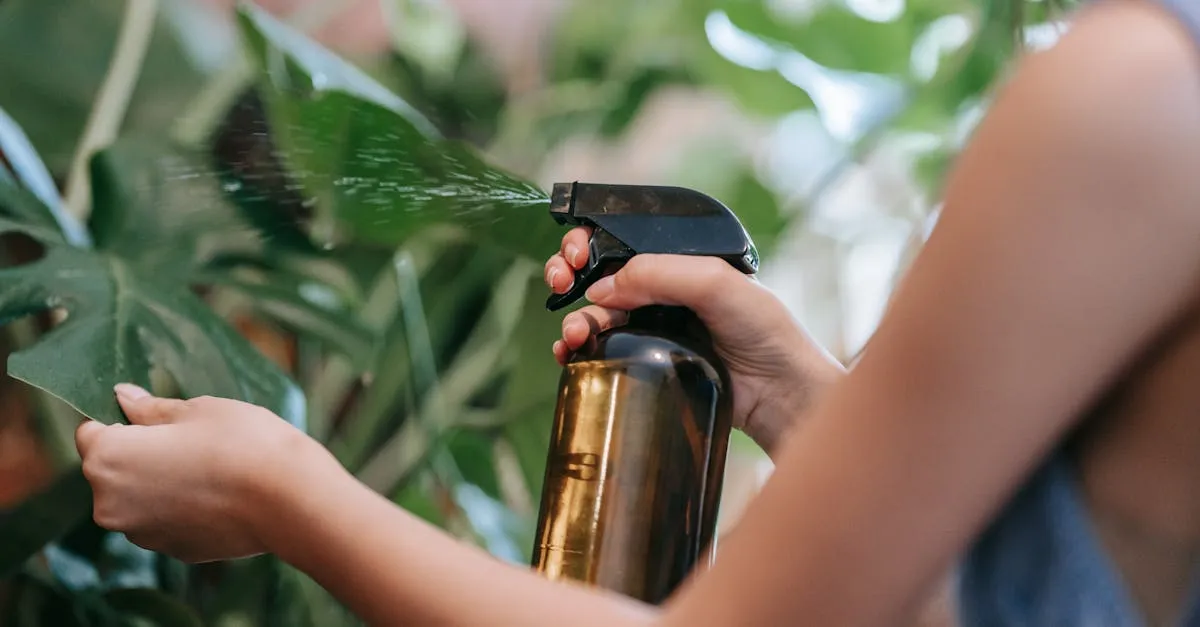
Misting gets recommended so often that it feels like a rule of good plant care, but the honest answer to whether you should mist houseplants is: rarely, and not for the reasons most people think. A quick spray of water sits on the leaves and evaporates within a few minutes, so it does almost nothing for the long, steady humidity that tropical plants actually want. Here is what misting really does, what it does not do, and what to use instead.
What misting actually does to the air
When you mist, you wet the leaf surface and the air immediately around it. That moisture evaporates fast, usually within five to fifteen minutes depending on how warm and dry your room is. After that, the humidity around the plant drops straight back to where it was.
So a single misting raises local humidity for a few minutes, then it is gone. To hold humidity up by misting alone, you would need to spray the leaves every twenty minutes or so, all day, which nobody does. This is the core reason misting underdelivers: humidity is about the average moisture in the air over hours, and misting only touches a few of those minutes.
Why misting does not fix brown tips or dry air
Brown, crispy leaf tips are the usual reason people start misting, and it is the one job misting cannot do. Brown tips are caused by the air being too dry over weeks, or by inconsistent watering, or by a build-up of salts and minerals in the soil. A few minutes of damp air does not reverse any of those.
If your plant has crispy edges, work through the real causes instead. Check that you are watering thoroughly and on time, that the pot drains, and that the plant is not sitting next to a radiator or heating vent. For the full set of causes, see why brown leaf tips happen and how to stop them and the houseplant humidity guide.
What misting is genuinely useful for
Misting is not useless. It just has a much smaller job than people give it.
- Rinsing dust off leaves. A light mist loosens dust so you can wipe it away, which helps the plant photosynthesize. A damp cloth does this better, but a mist plus a wipe works. See how to clean houseplant leaves.
- Briefly cooling leaves on a hot day. On a very warm afternoon, a fine mist can take the edge off heat for a short while. The effect is minor and temporary.
- Settling in cuttings and bare-root plants. Fresh cuttings without roots cannot draw up water yet, so light misting can help them hold on while roots form.
Notice that none of these is “raising humidity for a thirsty tropical”. That is the job misting is worst at.
The real risk: water sitting on leaves overnight
Misting is not just weak, it can cause harm if you do it carelessly. Water left pooling on leaves, especially in cool, still air overnight, is exactly the condition fungal and bacterial leaf spots need to take hold.
Wet leaves in the evening are an invitation to fungal spots, so if you mist at all, do it in the morning.
Plants with soft, fuzzy, or tightly packed leaves are most at risk. African violets, many begonias, and the crinkled leaves of some calatheas trap water and stay damp. If you grow these, skip misting entirely and raise humidity another way. Persistent spots are worth checking against common houseplant diseases.
What to use instead for steady humidity
If a plant genuinely needs more humidity, give it something that holds the level up for hours rather than minutes.
- A humidifier. This is the only method that reliably lifts humidity across a whole room or shelf. A small cool-mist unit near a group of plants is the most effective fix by far.
- Grouping plants together. Plants release moisture through their leaves, so a cluster creates a slightly more humid pocket of air. Easy and free.
- A pebble tray. Sit the pot on a tray of pebbles with water kept just below the top of the stones. As the water evaporates it raises humidity right around the plant. Make sure the pot base is above the waterline, not standing in it, or you risk root rot.
For which plants actually need this effort and which do not, the houseplant humidity guide sorts them out.
Put the spray bottle to better use
The biggest mistake is treating a daily mist as humidity care and feeling reassured while a sensitive plant slowly browns at the edges. If a plant genuinely needs damper air, set up one steady source such as a humidifier or a pebble tray and let the spray bottle go back to loosening dust before you wipe the leaves. Before you do anything, hang a cheap hygrometer near the plant for a week, because many plants blamed for wanting more moisture turn out to be sitting in air that is already fine.
Where to go next
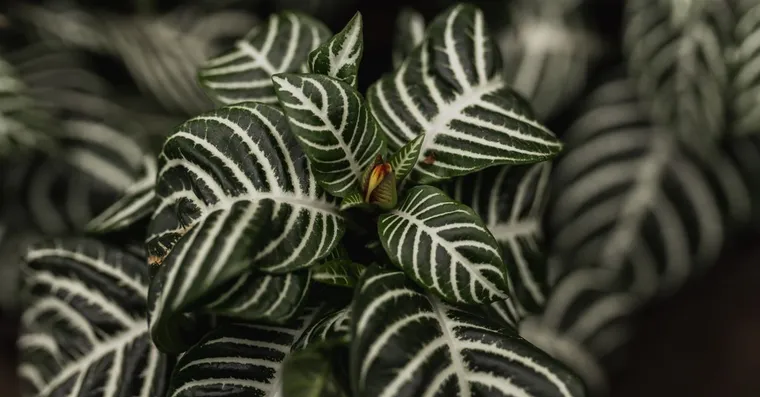
Zebra Plant Care: Growing Aphelandra Without Dropping Leaves
How to care for the striking Aphelandra zebra plant indoors, including the humidity and steady moisture it needs to keep leaves from dropping.
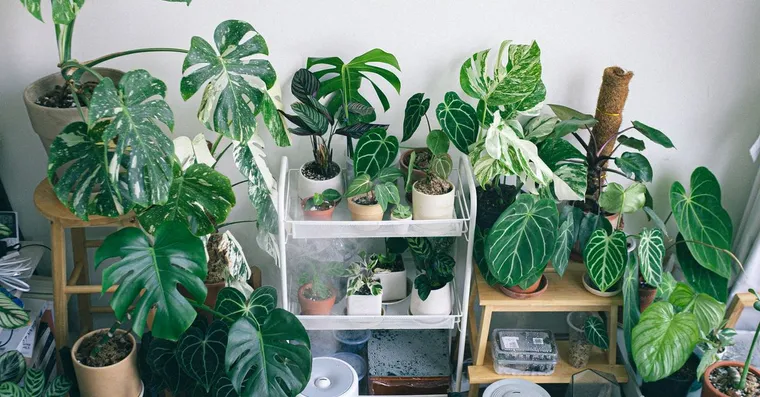
Best humidifiers for houseplants
Do your plants need a humidifier, and if so which one? A buying guide covering cool mist versus warm mist, room size, and when a humidifier beats misting.
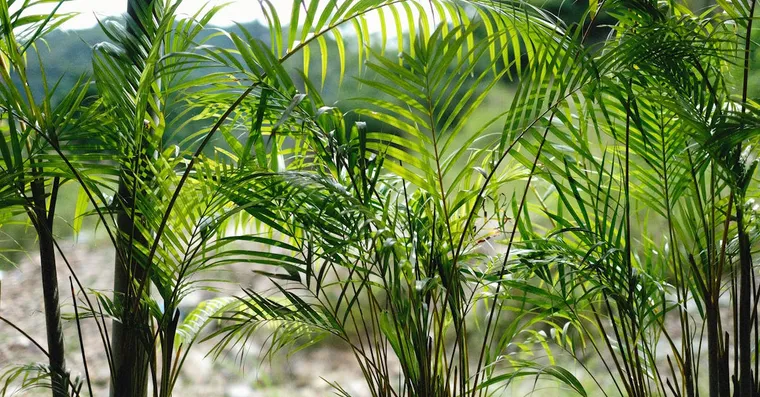
Areca Palm Care: Keeping the Fronds Green, Not Brown
How to care for an areca palm indoors, with the bright light, steady moisture, and humidity that stop its feathery fronds browning at the tips.
Not sure what plant you have? Identify it from a photo and we will point you at its care guide.