Syngonium Care: How to Grow Arrowhead Plant Indoors
How to care for a syngonium (arrowhead plant) indoors: light, watering, and humidity, plus what to do when leaves lose variegation or the plant gets leggy.
Some links in this guide go to Amazon. As an Amazon Associate we earn from qualifying purchases, at no extra cost to you. How this works.
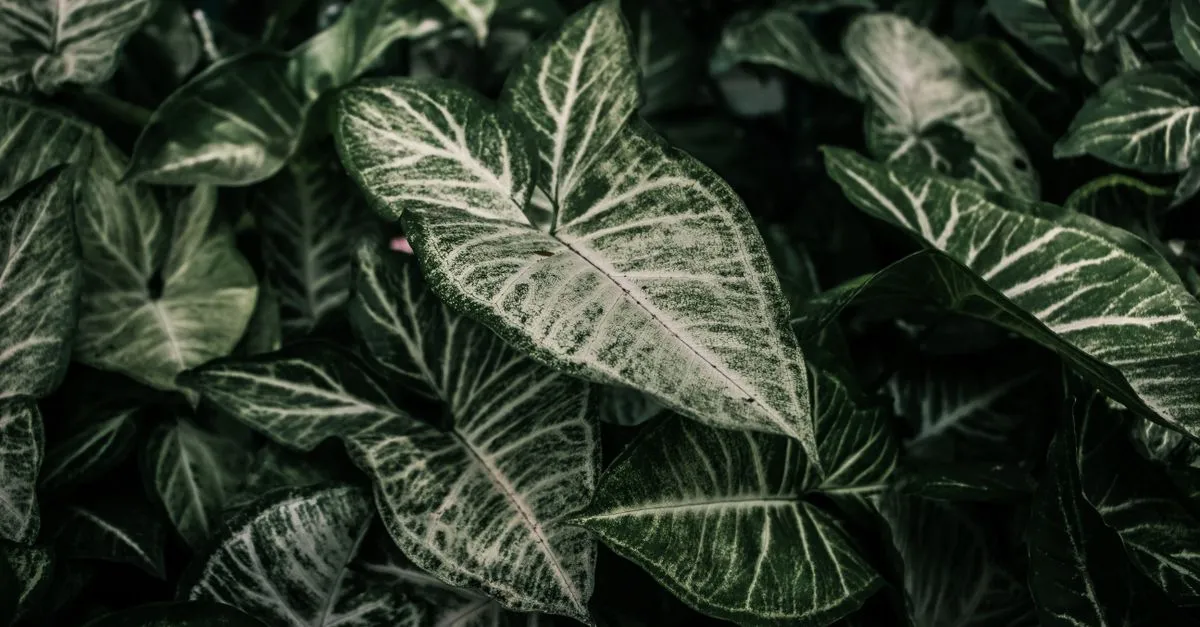
Syngonium, also called arrowhead plant, is one of the most forgiving tropicals you can grow indoors. It grows fast, propagates easily, and gives you a lot of plant for very little money. Good syngonium care comes down to bright indirect light, water when the top of the soil dries, and the occasional pinch to keep it bushy rather than leggy.
What an arrowhead plant actually is
Syngonium podophyllum and its cultivars start life as a compact clump of arrow-shaped leaves, then turn into a climber or trailer as they mature. The leaves change shape with age too, going from a simple arrowhead to a larger, multi-lobed leaf once the plant starts to vine. None of that is a problem to fix. It is just what the plant does, and you can lean into either look depending on how you prune it.
Light and leaf color
Bright indirect light is the sweet spot. This is where the pinks, creams, and silvers hold their best color and the plant grows densely. An east-facing window, or a spot 3 feet (1 m) or so back from a brighter one, suits it well.
It tolerates lower light, but the trade-off is plainer leaves. In a dim corner a variegated syngonium tends to push out greener, less marked foliage and stretches towards the light. This looks like reversion, but in this genus it is usually the plant adjusting to low light rather than true genetic variegation reverting. Move it somewhere brighter and new growth often comes back stronger. If you are unsure how much light your spot gives, see how much light your houseplant actually needs.
Keep it out of harsh midday sun, which can scorch the thinner variegated leaves.
Watering
Let the top 3/4 to 1 inch (2 to 3 cm) of soil dry out between waterings, then water thoroughly until it runs from the drainage holes. Syngonium is moderately drought-tolerant and would much rather be a little dry than sit wet. Waterlogged soil is the fastest way to kill one.
In winter, when growth slows, let it dry out a bit more before you water again. A pot with drainage and a soil that is not too dense make this easy to get right.
Humidity
Syngonium prefers humidity above 50%, which brings out lush, well-formed leaves. The honest reality is that it adapts to ordinary room humidity better than most people expect. You do not need to fuss with daily misting. If your air is very dry, grouping plants together or running a small humidifier does more good than misting ever will.
Feeding
Feed monthly through spring and summer with a balanced liquid fertilizer diluted to the recommended strength. That is plenty for a plant that already grows quickly. Stop feeding in autumn and winter when growth naturally tails off, and resume when you see new leaves in spring.
Pruning and shape
Because syngonium vines as it matures, it can get leggy and sparse if you leave it alone. Pinch or snip the growing tips back to a leaf node whenever it starts to trail more than you want. This pushes new shoots lower down and keeps the plant compact and bushy.
Every tip you pinch off is a free cutting, and syngonium roots readily in water.
You can also let it climb a small moss pole, which encourages larger, more mature leaves.
Common problems
- Yellowing leaves, usually from overwatering. Check the soil. If it is wet and the lower leaves are going yellow, ease off and let it dry out.
- Leggy, stretched growth from too little light. Move it brighter and pinch back the long stems to encourage fuller growth.
- Spider mites in dry air. Look for fine webbing and stippled leaves, more likely in heated rooms in winter. Rinse the plant and treat early before they spread.
A note on pets
The entire plant is toxic to cats and dogs because of calcium oxalate crystals, which cause mouth irritation and drooling if chewed. Keep it out of reach of pets and small children.
The honest reality on cultivars
Plain green syngonium is genuinely beginner-proof, in the same easy-care bracket as a heartleaf philodendron. The variegated pink and white cultivars are slightly trickier: they need more light to hold their color and fade to green without it. They are still easy plants, just less tolerant of a dark corner.
Keeping your arrowhead plant looking its best
The single habit that separates a full arrowhead plant from a sparse, trailing one is regular pinching, so get into the routine of snipping stray stems back to a node before they run away from you. Watch the watering can more than anything else, since a syngonium shrugs off a missed week far more easily than soggy roots, and ease right off through the colder months. If you want the pinks and creams to stay, give it the brightest indirect spot you can spare before you write the plant off as a reverter.
Where to go next
Bromeliad Care: How to Keep Your Bromeliad Alive and Blooming
How to care for a bromeliad indoors, from filling the central cup to what happens after it flowers, and how to grow the pup offsets into new plants.
Ctenanthe Care: How to Grow the Never-Never Plant Indoors
How to care for a ctenanthe (never-never plant) indoors, from humidity and watering to why the leaves roll and what to do about browning leaf edges.
Tall Houseplants Safe for Cats: Beyond the Usual Palm List
Seven tall houseplants that are genuinely safe for cats per the ASPCA list, including several that are not palms, with honest notes on size and difficulty.
Not sure what plant you have? Identify it from a photo and we will point you at its care guide.
Frequently asked questions
How do you care for an arrowhead plant?
Give it bright indirect light, water when the top 2 to 3 cm of soil dries, and pinch the growing tips every few weeks to keep it bushy. Arrowhead plant tolerates medium light but loses variegation in it, so a spot near a bright window without direct midday sun suits it best. It is a fast grower, so expect to repot roughly every year or two.
Is arrowhead plant the same as syngonium?
Yes. Arrowhead plant, arrowhead vine, and nephthytis are all common names for Syngonium podophyllum. The name comes from the arrow-shaped juvenile leaves, which change to a larger multi-lobed shape as the plant matures and starts to climb.
Why is my arrowhead plant leggy?
Too little light, or simply maturity. The plant naturally shifts from a compact clump to a climbing or trailing vine as it ages, so long stems are often normal rather than a fault. If you want the compact look, move it brighter and pinch the growing tips regularly; if you want the vine, give it a moss pole to climb.
Is arrowhead plant toxic to cats and dogs?
Yes. The ASPCA lists Syngonium podophyllum, filed under Nephthytis, as toxic to dogs, cats, and horses because of insoluble calcium oxalates. Chewing it causes oral irritation, drooling, and difficulty swallowing. Keep it out of reach of pets that chew plants.