Fungus Gnats vs Fruit Flies: How to Tell Which You Have
Fungus gnats come from your plant pots, fruit flies come from the kitchen. They need completely different treatments, so identify before you treat.
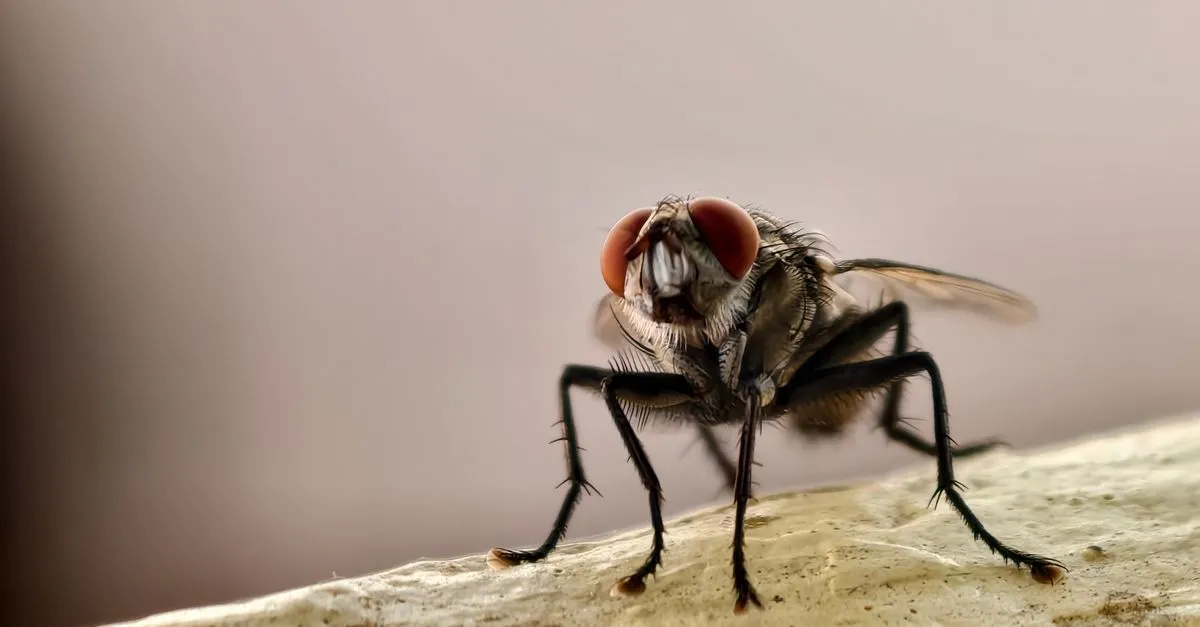
Fungus gnats and fruit flies are both about 3 mm long and both appear indoors out of nowhere, but they breed in completely different places, and nothing you do to one will touch the other. The quickest way to settle fungus gnats vs fruit flies is not to squint at the insect, it is to watch where it lands. Gnats stay near plant pots, fruit flies stay near the kitchen.
What each one looks like up close
Fungus gnats. Dark grey to black, slender, with long dangling legs and a small mosquito outline. The wings are clear and usually held over the back. They fly weakly and drift about, which is why you can often catch one in a cupped hand.
Fruit flies. Tan to brown, rounded and stocky, and on the common indoor species the eyes are a distinct red. They fly straight, fast and with obvious purpose, and they dodge your hand.
If you can get one against a pale wall, colour and shape decide it: dark and thin means gnat, brownish and round means fruit fly.
Fungus gnats vs fruit flies: behaviour tells you more than the body
Trying to judge the colour of a 3 mm insect in mid air is unreliable. Where it spends its time is not.
Fungus gnats stay with the plants. They run across the soil surface, sit on the pot rim, and puff up in a small cloud when you water. They drift towards windows and screens near the plants, and they turn up in the bathroom only if a plant is in there.
Fruit flies stay with the food. Fruit bowl, bin, recycling box, compost caddy, the last inch of a wine glass, the sink drain. Anything fermenting. They have no interest in potting mix unless something rotting has been buried in it.
If the flies are worst on the day you water, they are gnats. If they are worst when you leave bananas out, they are not.
The source test that settles the argument
Run this before spending money on anything.
- Cover the soil. Cut a disc of card to fit the suspect pot, or top the surface with a centimetre of horticultural sand, and water from below for a week. Adult fungus gnats live only about a week, so if the pot was the source, the numbers collapse in that time.
- Bag the fruit separately. Move all fruit to the fridge or a sealed bag, empty the bin, and rinse the recycling. Do this as a second, separate test rather than at the same time, or you will not know which change worked.
- Watch where the survivors gather. Whatever is still flying after both tests is coming from somewhere you have not found yet, usually a drain or a forgotten potato.
Treating fungus gnats is a plant problem
Let the top three to four centimetres of soil dry between waterings: the larvae need damp organic matter and cannot survive a dry surface layer. Then treat the soil itself with BTI, a bacterium sold as Mosquito Bits, watered in every five to seven days for three weeks to cover the whole breeding cycle. The full method is in our guide to getting rid of fungus gnats for good, what you are actually killing is covered in fungus gnat larvae, and the dosing detail is in how BTI actually works.
Treating fruit flies is a hygiene problem
Find and bin the breeding site first: overripe fruit, a spill under the bin liner, a soft potato at the back of a cupboard, sticky residue in the recycling, or the film inside a drain. Only then set an apple cider vinegar trap, which is a shallow dish of vinegar with one drop of washing-up liquid to break the surface tension, covered with pierced cling film. A trap with the source still in the room catches flies forever and fixes nothing.
Drain flies are the third confusion
If the insect is furry, moth-like, holds its wings flat like a tiny arrowhead and hops along the tiles near a sink or shower rather than flying properly, it is a drain fly. They breed in the gel that builds up inside plugholes. Scrub the drain with a brush and hot water. Soil treatments and fruit traps will do nothing at all.
Yellow sticky traps prove nothing about which you have
Sticky traps catch fungus gnats, fruit flies, whiteflies and thrips without discriminating. A crowded trap tells you that you have flying insects, which you already knew. They are a decent way to track whether numbers are falling once you know the cause, and a poor way to work out the cause.
Where to look before you spend anything
Spend the week doing the source test rather than guessing, because the wrong treatment costs you a fortnight and teaches you nothing. Cover the soil, bag the fruit, and see which change makes the flies stop. Once you know it is the soil, check every pot in the room and not just the obvious one: gnats move between pots, and one untreated plant restarts the whole cycle.
Where to go next
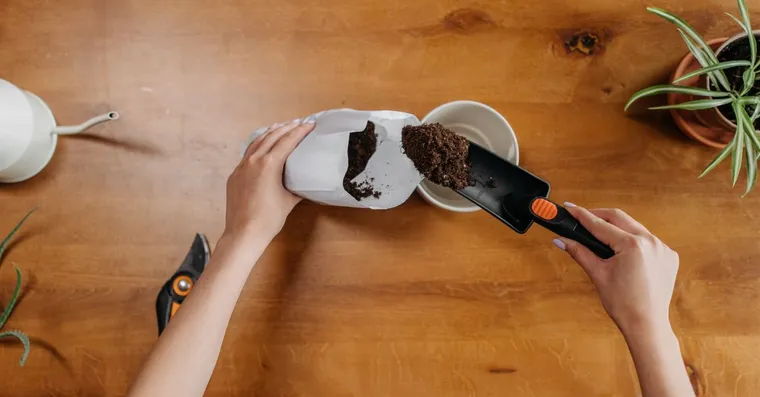
Fungus Gnat Larvae: What They Look Like and How to Kill Them
Fungus gnat larvae live in the top few centimetres of soil and eat roots. Here is how to confirm you have them and the treatments that actually clear them.
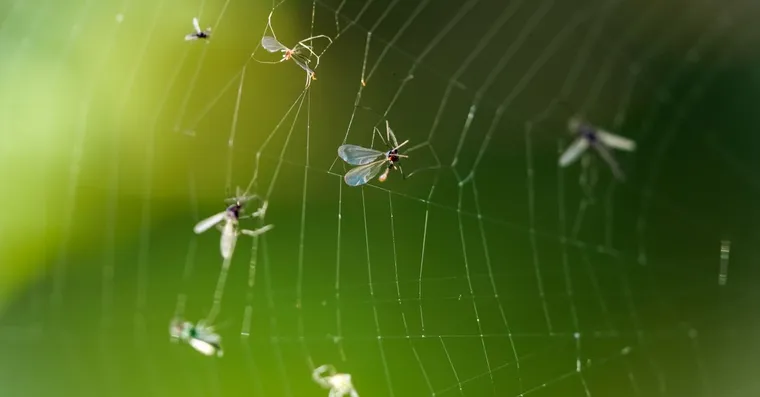
BTI for Fungus Gnats: How Mosquito Bits Actually Work
Sticky traps only catch adult fungus gnats. BTI, sold as Mosquito Bits, kills the larvae in the soil and actually ends the infestation. How to use it right.
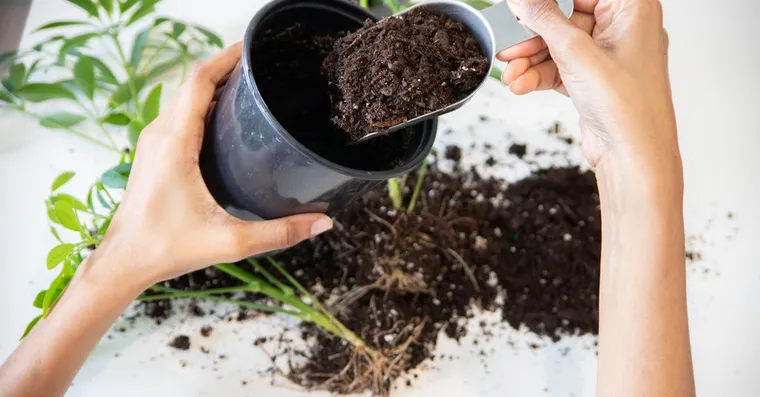
Fungus Gnats: How to Get Rid of Them for Good
Those tiny flies around your plants live and breed in damp topsoil. Here is how to dry them out, use BTI to kill the larvae, and keep them gone for good.
Not sure what plant you have? Identify it from a photo and we will point you at its care guide.
Frequently asked questions
How do I tell fungus gnats from fruit flies?
Look at where they hang around before you try to see the insect itself. Fungus gnats stay near plant pots and run across the soil surface; fruit flies hover around fruit bowls, bins, and drains. Physically, fungus gnats are dark grey to black, slender and long legged like a tiny mosquito, with a weak drifting flight. Fruit flies are tan to brown, rounded and stocky, usually with red eyes, and they fly fast and directly.
Do fungus gnats come from fruit?
No. Fungus gnats breed in damp potting soil, where the larvae feed on fungi and decaying matter. Fruit flies breed on fermenting sugars in fruit, bins, and drain residue. This is why the treatments do not overlap at all: removing fruit does nothing for a gnat problem, and drying your plant soil does nothing for fruit flies.
Will the same trap catch both?
Yellow sticky traps catch both, which is precisely why they prove nothing about which you have. An apple cider vinegar trap is more selective and mainly draws fruit flies. If you want a decisive test, cover the soil of a suspect pot for a few days and separately bag the fruit, then see which change stops the flies appearing.
What if it is neither?
The third common confusion is drain flies, which are furry and moth-like with rounded wings held roof-wise over the body, and they rest on walls near sinks and showers rather than flying much. They breed in the organic film inside drains, so the fix is cleaning the drain, not treating plants or fruit.