Fungus Gnat Larvae: What They Look Like and How to Kill Them
Fungus gnat larvae live in the top few centimetres of soil and eat roots. Here is how to confirm you have them and the treatments that actually clear them.
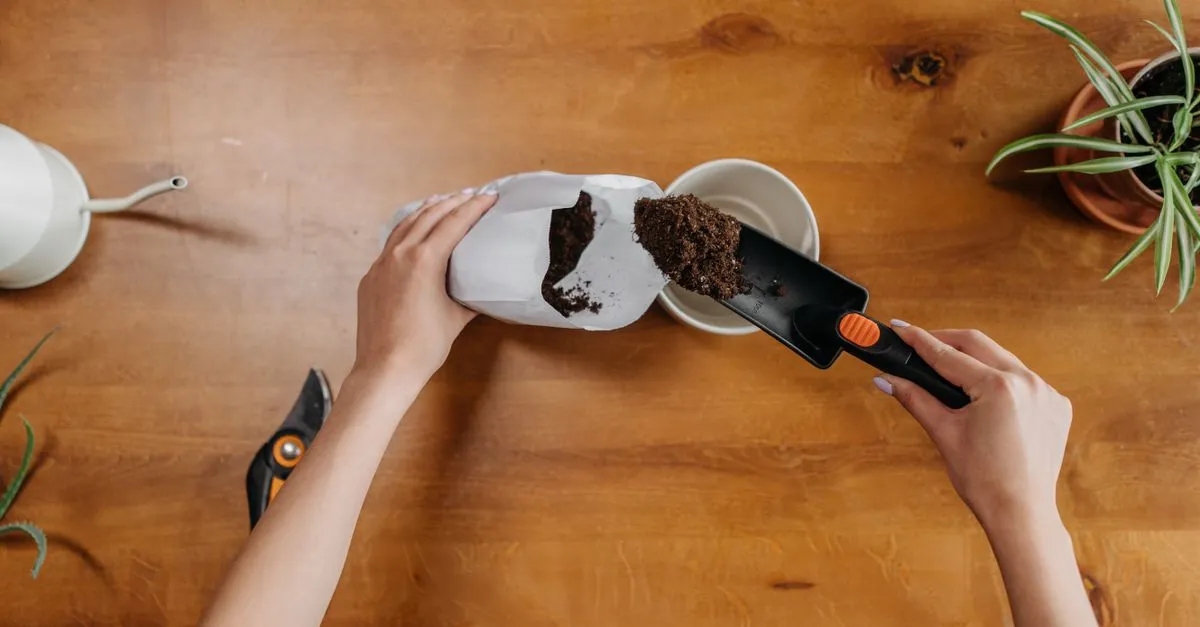
Adult gnats get blamed, but the insects doing the damage are underground: fungus gnat larvae live in the top few centimetres of wet potting mix, grazing on fungi, algae and decaying matter, and chewing fine root hairs once the population builds. That is why the flying adults are a symptom, not the problem. Treat the soil and the adults stop appearing within a couple of weeks; swat the adults and nothing changes.
What fungus gnat larvae look like in the soil
They are small, and you will only see them if you go looking. Scrape back the top centimetre of damp mix in good light, or watch the surface right after you water.
Body. Translucent white to almost clear, 3 to 6 mm long when mature, legless, and shaped like a thin thread of jelly. Young ones are barely 1 mm and hard to see at all.
Head. A distinct shiny black head capsule at one end. This is the giveaway. Nothing else common in houseplant soil has that clear body with a hard black head.
Where. The top 2 to 3 centimetres, always in the wettest part of the pot, often right at the edge where the mix meets the plastic. They wriggle when disturbed rather than crawling with purpose.
The usual confusion is with springtails, which are grey or white, move by jumping, and have no black head. Springtails are harmless. If you are not sure what you are looking at, compare against the other soil residents in Tiny Bugs in Houseplant Soil before you treat anything.
The potato slice test
Cut a raw potato into slices about a centimetre thick. Press one cut side down onto the soil surface, firm enough for full contact. Leave it four to eight hours, or overnight, then lift it and look at the underside and the soil beneath.
Larvae move to the potato to feed and you will see them stuck to the wet face. It costs nothing, confirms whether you have larvae at all, and doubles as a progress check: run the same test a week into treatment and count how many fewer turn up.
Treatments that actually reach the larvae
Worked in order of how much difference each one makes.
Let the top layer dry out. Larvae need constant moisture and die without it. Let the top 3 to 5 centimetres go properly dry between waterings, water from the bottom so the surface stays dry, and empty the saucer. On its own this breaks the cycle for a mild infestation, and no other treatment holds without it.
BTI, as mosquito bits or dunks. Bacillus thuringiensis israelensis is a soil bacterium that kills gnat larvae specifically and leaves everything else alone. Steep the bits in water, then use that water for every watering for three to four weeks so you cover the full egg to adult cycle. This is the single most effective treatment. The dosing and timing are in the BTI mosquito bits guide.
Hydrogen peroxide drench. Mix one part 3% hydrogen peroxide with four parts water and drench the pot until it runs from the drainage holes. It fizzes and kills larvae on contact. It is faster than BTI but harsher: it kills beneficial soil life too, can irritate fine roots on an already stressed plant, and leaves no residual protection, so eggs that hatch tomorrow are unaffected. Use it as a knockdown, then follow with BTI.
A grit or sand barrier. A one to two centimetre layer of horticultural grit, coarse sand or aquarium gravel on the surface stops adults reaching the mix to lay. It does nothing to larvae already in the pot, so it is a follow-up, not a fix. Avoid fine builder’s sand, which compacts and holds moisture.
Yellow sticky traps. These catch adults only. They tell you whether the population is rising or falling and they thin out egg-laying females, which is useful, but they never touch the larvae.
Sticky traps measure an infestation. They do not end one.
Two fixes that fail on their own
Sticky traps alone will not clear an infestation, no matter how many you buy or how covered they get. Every adult you catch has usually already laid, and the generation in the soil carries on regardless.
Repotting into fresh mix also fails more often than people expect. A fresh bag can carry eggs of its own, and if your watering habit stays the same, the new mix is wet at the surface within a fortnight and you are back where you started. Repotting helps only when the old mix is broken down and holding water badly, and only alongside the drying discipline. The wider picture on the adults is in Fungus Gnats: How to Get Rid of Them for Good.
Judging when the soil is actually clear
Give any treatment three to four weeks, because that covers a full generation and a quiet fortnight means nothing on its own. Keep a sticky trap up as your instrument and run a potato slice test at the end to check the soil, not the air. Once the count reaches zero, the thing that keeps it there is the watering, so keep letting the top few centimetres dry before you reach for the can.
Where to go next
BTI for Fungus Gnats: How Mosquito Bits Actually Work
Sticky traps only catch adult fungus gnats. BTI, sold as Mosquito Bits, kills the larvae in the soil and actually ends the infestation. How to use it right.
Springtails in Houseplant Soil: What They Are and What to Do
What springtails in houseplant soil actually are, why they appear, whether they harm plants, and the straightforward ways to reduce or remove them.
Fungus Gnats: How to Get Rid of Them for Good
Those tiny flies around your plants live and breed in damp topsoil. Here is how to dry them out, use BTI to kill the larvae, and keep them gone for good.
Not sure what plant you have? Identify it from a photo and we will point you at its care guide.
Frequently asked questions
What do fungus gnat larvae look like?
Translucent white to near clear, legless, 3 to 6 mm long when mature, with a distinct shiny black head capsule at one end. They live in the top 2 to 3 cm of damp mix and wriggle when disturbed. The black head is the giveaway: springtails, the other common soil resident, are grey or white, jump rather than wriggle, and have no black head.
How do I get rid of fungus gnat larvae?
Let the top few centimetres of soil dry out between waterings, because the larvae need constant moisture and drying alone breaks the cycle. Add BTI, sold as mosquito bits or dunks, which is a bacterium specific to the larvae and the single most effective treatment. A layer of coarse sand or grit on the surface stops new eggs being laid. Expect two to four weeks to clear a population, because you have to outlast the eggs already in the mix.
Do yellow sticky traps kill fungus gnat larvae?
No. Sticky traps only catch flying adults and never touch the larvae in the soil, so they are a monitoring tool rather than a treatment. They are genuinely useful for telling you whether a population is growing or shrinking, but an infestation treated with traps alone will not clear.
Do fungus gnat larvae damage plant roots?
Yes, though the damage is usually modest in a healthy mature plant. The larvae feed mainly on fungi, algae and decaying matter, and turn to fine root hairs once the population builds. Seedlings, cuttings and small plants are the ones that actually suffer, because they have few roots to lose.