Why Are My Snake Plant Leaves Wrinkled or Shrivelled?
Wrinkled snake plant leaves usually mean the plant cannot take up water, which is more often root rot than thirst. Here is how to tell the two apart.
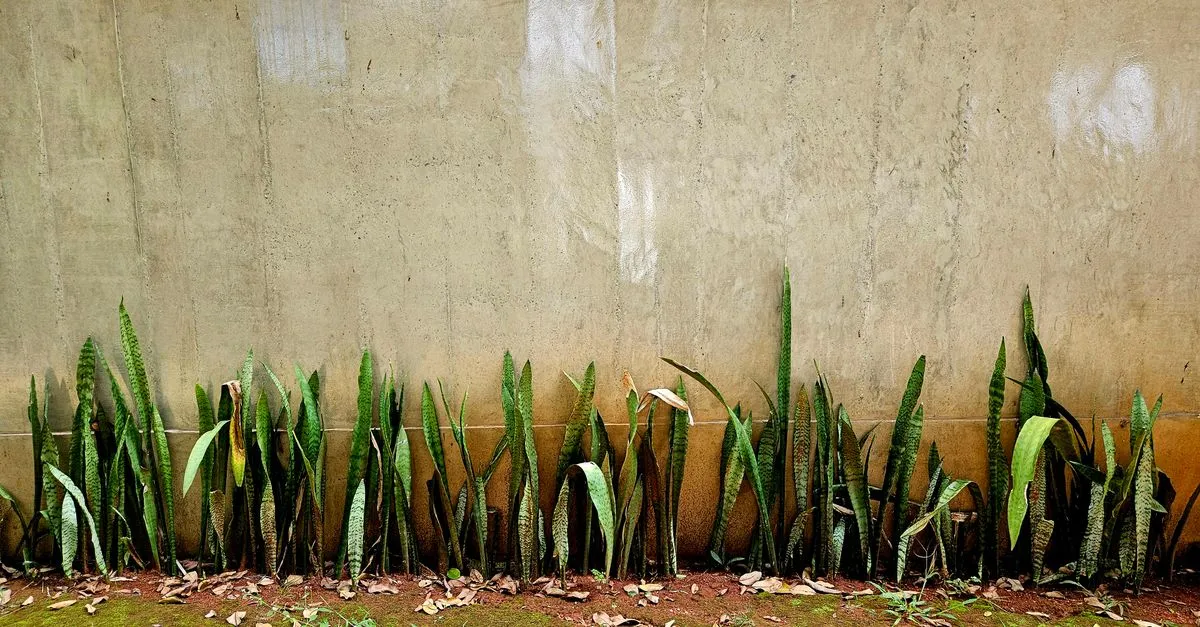
A snake plant with wrinkled leaves is telling you that water is leaving the leaf faster than the roots can replace it. That sounds like thirst, and half the time it is, but the other half it is root rot, where the roots have died and can no longer drink even though the soil is wet. Watering a rotting snake plant because the leaves look thirsty is the single most common way these plants die, so check the soil before you reach for the watering can.
What a wrinkled leaf actually means
Snake plant leaves are water storage organs. A firm, upright leaf is a leaf that is full. When the plant loses more water through its leaf surface than the roots deliver, the leaf draws down its reserves and the surface puckers, creases lengthwise, or takes on a soft, slightly bendy feel.
That is a plumbing problem, and plumbing fails in two directions: there is no water to draw, or the roots that draw it have stopped working. The leaf looks identical either way. This is why snake plant wrinkled leaves get misdiagnosed so often, and why the fix is a two-step check rather than a guess.
The test that tells the two apart
Check the soil first. Push a finger, a chopstick or a wooden skewer right down to the bottom of the pot. Bone dry all the way through points to underwatering. Damp or wet in the lower half, especially if it has been damp for more than a week or two, points to root rot.
Then check the roots. Slide the plant out of its pot. This is not optional if the soil came out damp, and it does no harm. Healthy snake plant roots are firm, pale orange to white, and springy. Rotting roots are brown or black, slimy, and come apart between your fingers. A sour, drain-like smell confirms it.
Then look at the base of the leaves. Soft, mushy, brown tissue where the leaves meet the soil means rot has already reached the rhizome. That is urgent.
If the soil is wet and the leaves are wrinkled, more water is the worst thing you can do.
If the cause is underwatering
Water thoroughly. Take the plant to a sink, water until it runs freely from the drainage holes, let it drain completely, and put it back. A shallow splash wets the top few centimetres and leaves the roots dry, which is how a plant stays thirsty despite regular watering. If the water runs straight through without soaking in, the compost has gone water-repellent and needs a longer soak from below.
Leaves firm up over three to seven days. Then go back to normal snake plant watering: soak, then wait until the soil is dry all the way through, which in most homes is every three to six weeks. Full guidance is in the snake plant care guide.
If the cause is root rot
Unpot the plant and wash the soil off the roots. Cut away every brown, soft root with clean snips, back to firm white tissue. Remove any leaf whose base has gone mushy, because it will not recover and it spreads the rot. Repot into dry, gritty compost, a cactus mix or ordinary compost cut with a third perlite, in a pot with drainage holes that is not oversized. Do not water for a week, then water sparingly. The step-by-step version is in the root rot guide.
The less common causes
Severe root binding. A pot that is solid root and almost no soil holds so little water that the plant dries out within days of a soak. If the root ball comes out as a dense mass with roots circling the outside, repot it one size up.
Cold damage. A snake plant left near a draughty window or below about 10C loses cell structure, and the damaged sections wrinkle and go soft, often with pale or translucent patches. Move it somewhere warmer and stop watering while it recovers.
Fierce direct sun. Weeks of unshaded midday sun through glass drives water out faster than the roots can supply it. The leaf wrinkles and often bleaches at the same time. Move it back from the glass or filter the light.
What recovery actually looks like
A badly wrinkled leaf usually keeps its crease. Once the cells have collapsed hard enough to fold, the tissue does not fully re-inflate, so a leaf that spent a month puckered will often stay a bit lined even on a plant that is now perfectly healthy. Mild wrinkling does plump back out after a good soak. Deep creases mostly do not.
So judge recovery by new growth, not old leaves. A firm new shoot pushing up from the soil means the roots are working. If you want to tidy the plant, cut the worst leaves off at soil level once new growth appears, not before.
What to watch over the next month
Wrinkling is a supply problem, and the soil test tells you which kind within seconds. Dry soil and firm roots means water properly and wait. Wet soil and brown roots means unpot, cut, and repot dry. Keep an eye out for the related signals too, since curling leaves and a drooping or collapsing plant have overlapping causes and often show up alongside wrinkling. Mark the date you watered, and if a month passes with no new growth on a plant you have treated for rot, check the roots again.
Where to go next
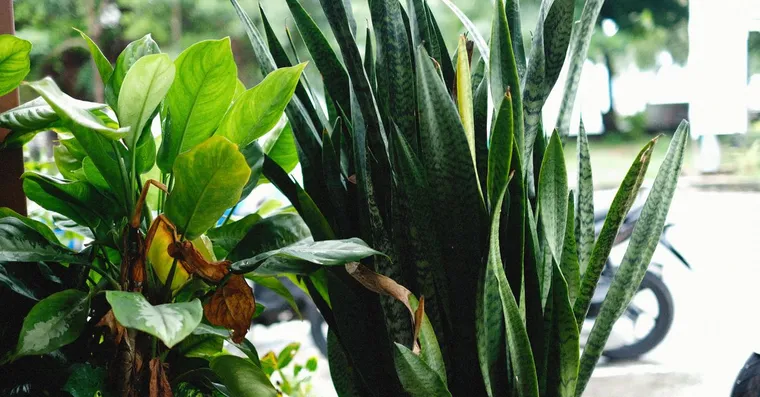
Why Is My Snake Plant Drooping or Falling Over?
Snake plant leaves that flop, splay, or fall over usually trace back to overwatering and root rot, with low light and stress adding to it.
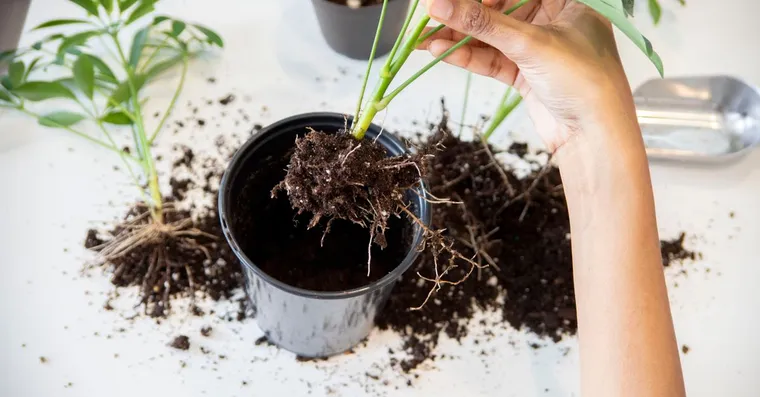
What Does Root Rot Look Like? Signs at Every Stage
Root rot is diagnosed at the roots, not the leaves. Here is what healthy and rotting roots look like, and which above-ground signs point to it.
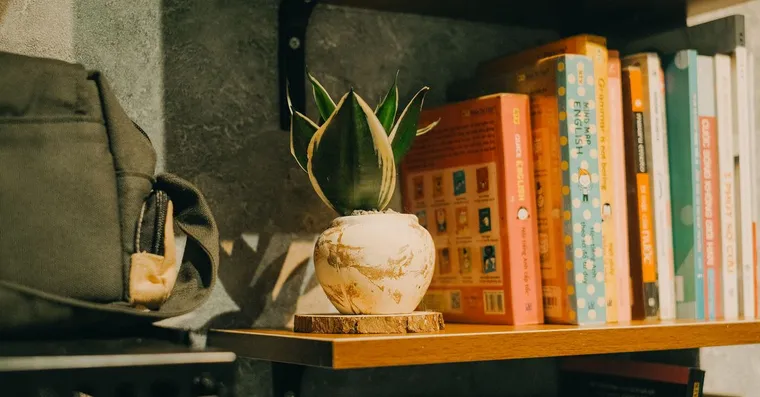
Snake Plant Benefits, Bedroom Air, and Feng Shui Meaning
Snake plants get credit for cleaning air, releasing oxygen at night, and bringing good feng shui; here is what holds up and what is overstated.
Not sure what plant you have? Identify it from a photo and we will point you at its care guide.
Frequently asked questions
Why are my snake plant leaves wrinkled?
Because water is leaving the leaf faster than the roots replace it. There are two opposite causes and they look identical: underwatering, where the soil is bone dry and the roots are fine, and root rot, where the soil is wet but the roots have died and can no longer drink. Check the soil before watering, because watering a rotting snake plant is the most common way these plants die.
Should I water a snake plant with wrinkled leaves?
Only if the soil is dry all the way down. Push a finger or a wooden skewer to the bottom of the pot. Bone dry means water it thoroughly and the leaves should firm up over several days. Damp or wet means the problem is the roots, and more water will make it worse.
Will wrinkled snake plant leaves go back to normal?
Often only partly. A leaf that was mildly puckered usually plumps back out after a thorough soak, but a badly creased leaf tends to keep the crease permanently even once the plant is healthy again. Judge recovery by firm new growth from the centre rather than by the old leaf smoothing out.
Can too much sun cause wrinkled snake plant leaves?
Yes, though it is a less common cause than watering problems. A long spell in fierce direct sun makes the leaf lose water through its surface faster than the roots can supply, which puckers it and often bleaches or reddens the exposed side. Move the plant to bright indirect light and the new growth comes in normally.