What Does Root Rot Look Like? Signs at Every Stage
Root rot is diagnosed at the roots, not the leaves. Here is what healthy and rotting roots look like, and which above-ground signs point to it.
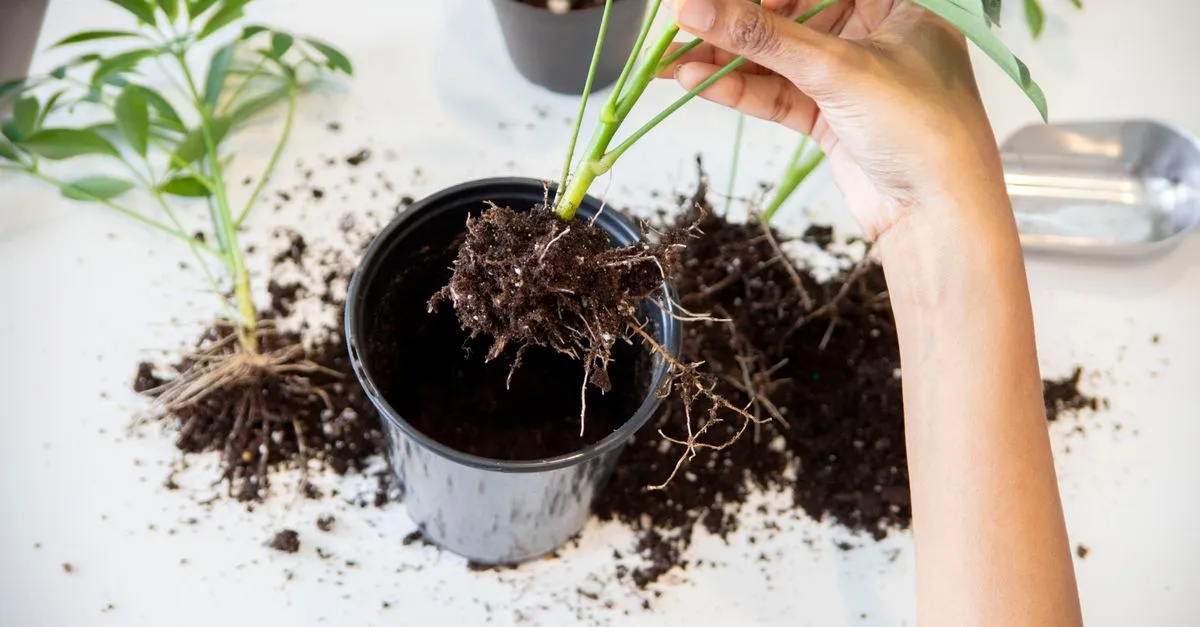
Every above-ground symptom of root rot is shared with at least three other problems, so the honest answer to what does root rot look like is that you cannot tell from the leaves. You have to slide the plant out of its pot and look at the roots directly. That takes a minute, costs the plant nothing, and it is the only test that settles the question.
Start with what healthy roots look like
You need a control before you can judge anything as abnormal, and most people have never looked closely at a healthy root ball.
Colour. Pale cream to white on fast growers like pothos and monstera, tan or light brown on aroids and palms, and a distinct orange on some Aloe and Sansevieria. Species vary, so colour alone tells you less than texture does.
Firmness. A healthy root resists a gentle squeeze. It feels like a piece of cooked spaghetti at worst, never like wet tissue.
Shape. It holds its form when you lift the root ball. Fine feeder roots spring back rather than clumping into a mat.
Smell. Healthy potting mix smells of damp earth and nothing else. There is no sharpness to it.
What does root rot look like underground
Rot announces itself in four ways, and you will usually see them in this order.
Colour. Brown to black, often darkest at the tips where water sat longest. A dark patch that stops partway along a root is early rot. A uniformly black root ball is not.
Texture. Soft, squashy, sometimes slimy. The root gives way under light pressure instead of resisting it.
The sheath test. This is the one that removes all doubt. Hold a suspect root between finger and thumb and pull gently towards the tip. On a rotted root the outer layer slides off like a wet sock, leaving a thin, wiry, thread-like core behind. Healthy roots do not do this, no matter how hard you pull.
Smell. Sour, or like drains. Anaerobic bacteria in waterlogged soil produce it, and healthy soil never smells this way.
The above-ground signs, and why not one of them is proof
Every symptom below has other, more common explanations. Treat them as reasons to check the roots, never as a diagnosis.
Yellowing lower leaves. The most frequent complaint, and also the least specific. Ageing, nitrogen shortage, sudden light changes and underwatering all do this. See the full yellow leaf diagnosis guide for the alternatives.
Wilting while the soil is wet. The single most suggestive combination, because damaged roots cannot draw water even when it surrounds them. It is still not proof: cold damage and severe root binding both mimic it. The overwatering and underwatering comparison covers how to tell them apart.
Stalled or stunted growth. New leaves come in smaller, or stop coming. Low light, exhausted soil and normal winter dormancy all look identical.
A mushy stem base. Squeeze just above the soil line. If it dents, rot has reached the crown. Cold damage and buried stems produce the same softness.
Soil that stays wet far longer than it used to. A pot that once dried in a week now takes three. Fewer working roots means less water taken up. Compacted or hydrophobic mix does this too.
If a plant is wilting and the soil is wet, stop watering and start digging.
The stages, from early to past saving
Early. A few dark, soft root tips at the bottom of the pot. Most of the root ball is still pale and firm. The plant may look completely normal above ground. Caught here, recovery is close to certain.
Established. A third to half the roots are brown and soft. Lower leaves yellow, growth stalls, and the soil smells sour. Recovery is likely but you will lose leaves.
Advanced. Most roots are black, the sheaths slip off freely, and the plant wilts constantly. Salvage means cutting back hard to whatever firm tissue remains.
Past saving. The crown and stem base have gone soft. Once rot reaches the point where roots meet stem, there is nothing left to grow from, and no amount of trimming or fungicide changes that. Take healthy cuttings from the top if any exist, and bin the rest.
The smell test is a screen, not a verdict
Putting your nose to the soil surface is a genuinely useful ten second check, and a sour smell earns an immediate unpotting. But a plant with early rot at the base of the pot will often smell of nothing at all, so a clean sniff clears nothing. Once you have looked at the roots and know what you are dealing with, work through how to treat and prevent root rot for the cutting, repotting and watering changes that follow.
Where to go next
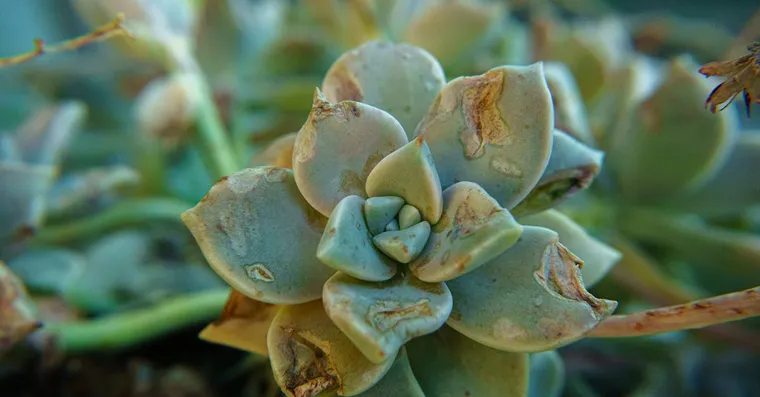
Why Is My Succulent Soft and Mushy?
How to diagnose a soft, mushy, or translucent succulent, tell overwatering from rot, and decide whether the plant can still be saved.
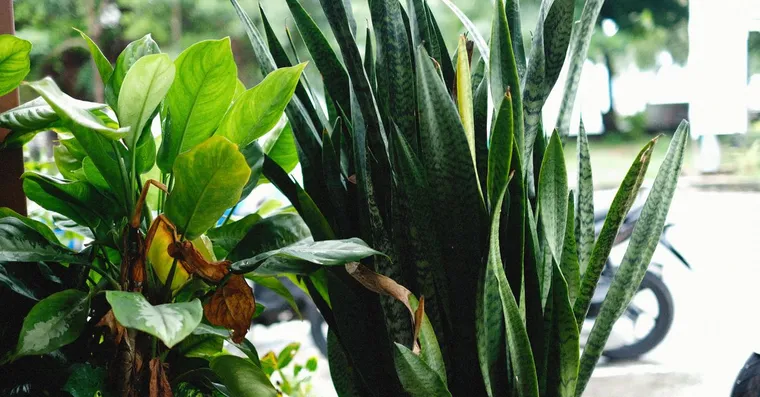
Why Is My Snake Plant Drooping or Falling Over?
Snake plant leaves that flop, splay, or fall over usually trace back to overwatering and root rot, with low light and stress adding to it.
Overwatering vs Underwatering Houseplants: How to Tell
How to tell whether a drooping, yellowing, or crispy houseplant is overwatered or underwatered, the key differences to look for, and what to do next.
Not sure what plant you have? Identify it from a photo and we will point you at its care guide.
Frequently asked questions
What does root rot look like?
Rotting roots are brown to black, soft, and slimy, and the outer sheath slips off a thread-like inner core when you pull gently. Healthy roots are firm, pale cream to tan or white depending on species, and springy. There is also a smell: rotting roots and soil smell sour or drain-like, while healthy potting mix smells only of damp earth.
Can you tell root rot from the leaves alone?
No, and this is the central point. Every above-ground symptom of root rot is shared with several other problems. The one combination that strongly suggests it is a plant wilting while the soil is still wet, because that means the roots have stopped drinking. Even then, the only way to confirm is to slide the plant out of its pot and look at the roots.
What are the first signs of root rot?
Soil that stays wet noticeably longer than it used to, growth that stalls, and yellowing on the lowest leaves. None of these is conclusive on its own. By the time leaves wilt on wet soil or the stem base feels soft, the rot is already well advanced.
When is a plant with root rot not worth saving?
When the crown and stem base have gone soft. Roots can be cut away and a plant repotted if enough firm root remains, but once the rot reaches the central stem or rhizome there is no structure left to regrow from. At that stage taking a healthy cutting from the top is a better use of your time than trying to rescue the root ball.