Autumn Houseplant Care: Easing Plants Into Their Slow Season
How to adjust houseplant care in autumn as light and growth fade, from cutting back watering and feeding to bringing summer plants back indoors safely.
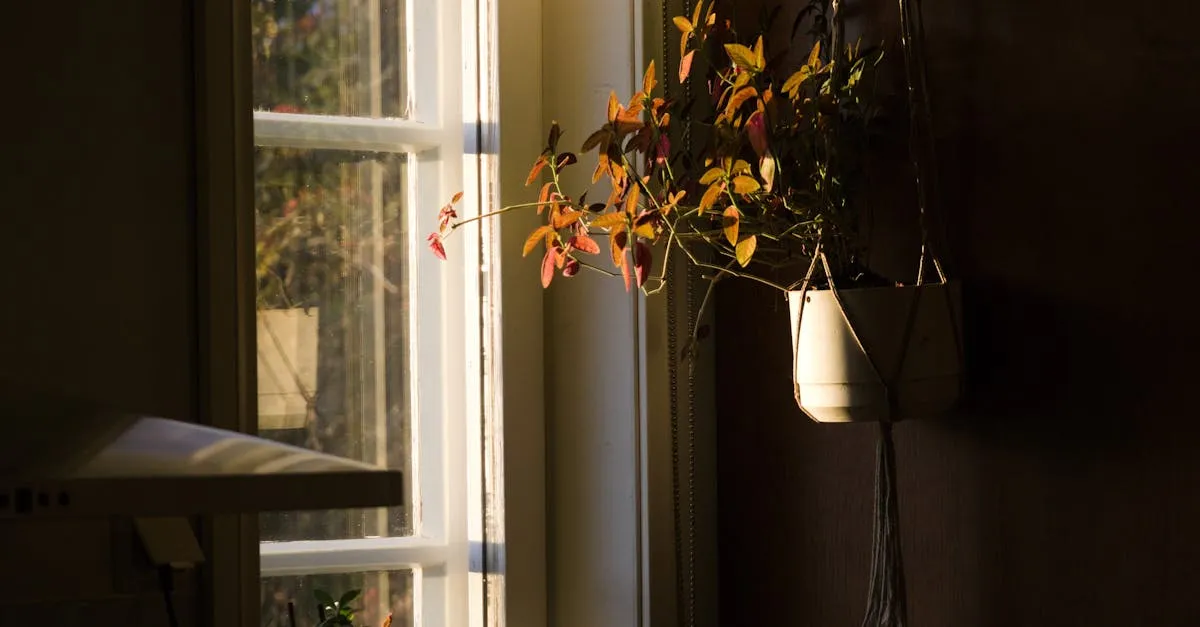
Autumn houseplant care is mostly about doing less. As the days shorten and the light weakens, most houseplants slow right down and begin heading towards a months-long rest, so your job is to ease off and let them. Get that wrong, and you keep watering a resting plant on a summer schedule, which is how most houseplants die over the colder half of the year.
Why your plants slow down as the light fades
Growth is driven by light, and from early autumn there is steadily less of it: fewer daylight hours, a lower sun, and grayer skies. Your plant responds by slowing its metabolism. It takes up less water, uses fewer nutrients, and puts out little or no new growth. Nothing is wrong. The plant is matching its pace to what the season can support, and your care needs to follow it down rather than push against it.
Cut back on watering: the core of autumn houseplant care
This is the one that matters most. A plant that is barely growing drinks far less, so soil that dried out in three days in July might stay damp for a week or more now. Watering on the old schedule leaves the roots sitting wet, and constantly wet roots rot.
Check before you pour. Push a finger an inch or two (3 to 5 cm) into the soil. If it feels moist, wait. Let the top third of the pot dry out for most foliage plants, and let succulents and cacti go drier still.
Water less often, not less each time. When you do water, water thoroughly until it runs from the drainage holes, then empty the saucer. Stretch the gap between waterings instead of giving frequent small sips.
Most autumn and winter houseplant deaths are not the cold. They are a summer watering habit meeting a plant that has quietly stopped drinking.
If you suspect you have already overdone it, act early: see how to save an overwatered plant.
Ease off the feeding
Fertilizer feeds growth, and there is little growth to feed. Through autumn, cut feeding back to roughly half strength and half as often, then stop entirely once your plant is clearly resting and the light is poor. Feeding a dormant plant does not help it. The unused salts build up in the soil and can scorch the roots. Pick feeding back up in spring when new growth returns.
Move plants towards the light
The light each window gives drops sharply through autumn, so a spot that was bright in summer may now be dim. Move plants closer to the glass, and shift shade-sensitive ones into your brightest windows, usually those facing south or west. Clean the leaves and the window panes too, since dust on both steals light a plant can no longer spare. A little reaching or paler new growth is your cue to move a plant brighter.
Bring summering plants back indoors
If you moved any plants outside for the warm months, bring them in before night temperatures start dropping towards single figures. Cold nights do the damage well before the first frost.
Inspect and treat them first. Outdoor plants almost always come back with passengers: aphids, spider mites, mealybugs, or eggs tucked under the leaves. Check both sides of every leaf and the stems, hose them down, and treat any pests before the plant goes near your other plants. Better still, keep new arrivals apart for a couple of weeks, the same way you would quarantine a new houseplant. For the move itself, the reverse of moving houseplants outdoors for summer applies: do it gradually rather than in one shock.
Expect a few leaves to drop
As the light falls, many plants shed some of their oldest or lowest leaves because they can no longer support them. A few yellowing leaves over several weeks is adjustment, not death. Worry only if the drop is sudden and heavy, or paired with soft, mushy stems, which points to overwatering rather than the season.
Leave repotting until spring
Autumn is the wrong time to repot. Fresh soil holds extra water a slowed plant cannot use, and disturbed roots have no growing energy to recover with. Unless a plant is in genuine distress, wait until spring, when active growth will help it settle into a new pot quickly.
Let restraint carry your plants through to spring
The single mistake that undoes a good autumn is checking the calendar instead of the soil: keep your finger as the guide and water only when the top third has dried, however long that now takes. Good autumn care looks almost dull, a plant that is barely drinking, sitting clean and close to a bright window, putting out little or nothing new. Hold this lighter routine right through winter, and save the feeding, repotting, and fuller watering for spring houseplant care, when returning growth tells you the plant is ready for them again. If you want the same adjustments for the warm half of the year, summer houseplant care covers heat, watering, and scorch.
Where to go next
Spring Houseplant Care: Waking Plants Up for the Growing Season
What to do for houseplants in spring, from resuming feeding and repotting to handling the stronger light, so plants come out of winter and grow well.
Summer Houseplant Care: Heat, Watering, and Scorch Indoors
How to keep houseplants healthy through summer indoors, from watering more often to protecting them from hot window glass, air conditioning, and dry air.
Moving Houseplants Outdoors for Summer Without Shocking Them
How to move houseplants outside for summer safely, how to harden them off to avoid sunburn, and which plants are better left indoors.
Not sure what plant you have? Identify it from a photo and we will point you at its care guide.