Summer Houseplant Care: Heat, Watering, and Scorch Indoors
How to keep houseplants healthy through summer indoors, from watering more often to protecting them from hot window glass, air conditioning, and dry air.
Some links in this guide go to Amazon. As an Amazon Associate we earn from qualifying purchases, at no extra cost to you. How this works.
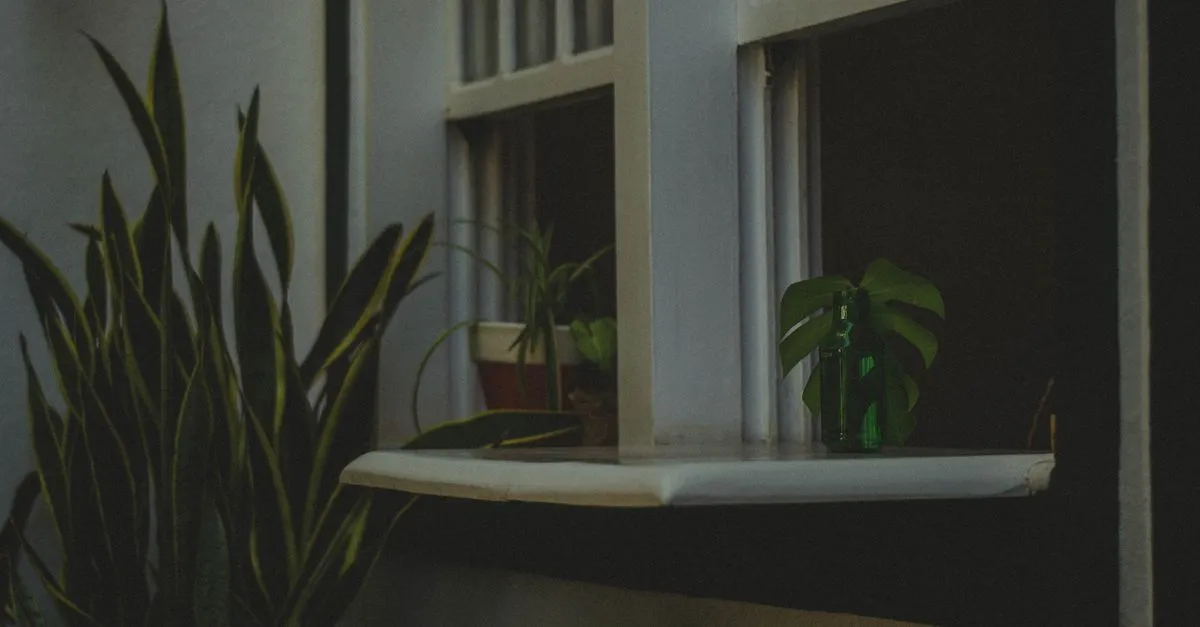
Summer is the season plants grow hardest, but indoor heat brings a short list of real risks: pots that dry out faster, leaves scorched against hot glass, and cold dry drafts from air conditioning. The honest core of summer houseplant care is that heat does not mean you should drown the plant. You water more often because the soil dries faster, not because a calendar tells you to, and you keep checking the soil rather than tipping in water on a fixed schedule.
Water more often, but check the soil first
Warmth and longer days mean pots dry out faster, so most plants will want water more often than they did in winter. That does not mean a rigid daily routine. Push a finger 3/4 to 1 inch (2 to 3 cm) into the soil: if it is dry at that depth, water thoroughly until it runs from the drainage holes; if it is still damp, wait.
The plants that dry fastest, and so need checking most often, are:
- Small pots and terracotta. Limited soil volume and porous walls both lose moisture quickly, sometimes daily in a heatwave.
- Plants in bright, breezy spots. More light and air movement pull water out of the soil and the leaves.
- Thin-leaved tropicals. Ferns, calatheas, and peace lilies wilt fast when dry.
Succulents, snake plants, and ZZ plants still want to dry out fully between drinks, even now. More heat does not change what they are.
A plant that wilts in the afternoon heat but perks up by evening was thirsty, not dying.
Watch for scorch on south-facing glass
The commonest summer damage indoors is sunburn from unfiltered midday sun through glass. Leaves resting directly against a hot south or west-facing window can cook, leaving bleached, dry, or brown patches that do not recover. Glass magnifies the heat, so a spot that was fine in spring can turn harsh by June.
Move sensitive plants back from the pane, or soften the light with a sheer curtain or blind during the hottest hours. Plants with thin or variegated leaves burn most easily. If you already see pale, crispy patches, read sunburn on houseplant leaves to tell scorch apart from other problems.
Keep plants out of the air-conditioning blast
The second big summer hazard is the air conditioner. A cold, dry draft blowing straight onto foliage causes the same kind of stress as a winter heating vent: curling, browning edges, and sudden leaf drop. The air is both cold and drying, which tropicals in particular dislike.
Keep plants out of the direct path of any AC vent or fan. A plant 6 feet (2 m) to the side of the airflow is usually fine; one sitting right in front of it is not.
Raise humidity as indoor air dries
Air conditioning and hot weather both strip moisture from indoor air, and tropicals feel it as crispy leaf tips and brown edges. Grouping plants together, standing pots on a tray of damp pebbles, or running a small humidifier all help. These do far more than a quick spray of water, so do not rely on misting alone: see should you mist houseplants for what it actually achieves. For which plants genuinely need the extra moisture and how to provide it, the houseplant humidity guide goes deeper.
Keep feeding through peak growth
Summer is when most plants put on the most growth, so this is the time to keep feeding, not to stop. A balanced liquid fertilizer at half strength every two to four weeks suits most foliage plants through the growing season. Stop or ease off only for plants that are clearly stressed, dormant, or sitting in soggy soil, since feeding a struggling plant adds load it cannot use.
If you are tempted to move plants outdoors to make the most of the season, that is a separate job with its own risks of shock and burn. Read moving houseplants outdoors for summer before you do, because the transition needs care.
The one summer habit worth keeping
If you take one thing into the hot months, let it be the finger test before every drink, because the plants lost to summer are far more often drowned on a panicked daily schedule than dried out. Get into the rhythm of checking soil, nudging leaves off scorching glass, and keeping pots clear of the AC, and the same routine will carry you straight into the gentler watering of autumn, when you simply check less often.
Where to go next
Moving Houseplants Outdoors for Summer Without Shocking Them
How to move houseplants outside for summer safely, how to harden them off to avoid sunburn, and which plants are better left indoors.
Autumn Houseplant Care: Easing Plants Into Their Slow Season
How to adjust houseplant care in autumn as light and growth fade, from cutting back watering and feeding to bringing summer plants back indoors safely.
Spring Houseplant Care: Waking Plants Up for the Growing Season
What to do for houseplants in spring, from resuming feeding and repotting to handling the stronger light, so plants come out of winter and grow well.
Not sure what plant you have? Identify it from a photo and we will point you at its care guide.