Moving Houseplants Outdoors for Summer Without Shocking Them
How to move houseplants outside for summer safely, how to harden them off to avoid sunburn, and which plants are better left indoors.
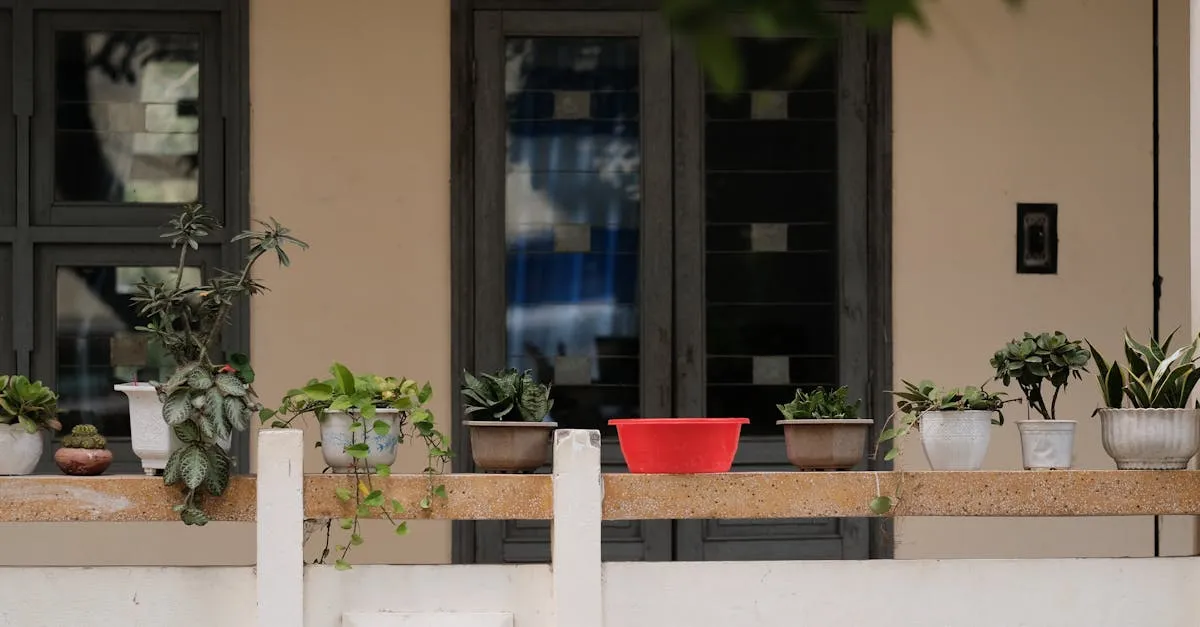
A summer outdoors can do more for a houseplant than months on a windowsill, but moving houseplants outdoors for summer goes wrong fast when it is rushed. The plants that suffer are not the ones left inside: they are the ones carried straight from a shaded room into full sun, where leaves scorch within hours. Done gradually, the move is one of the best things you can give most plants. Done in an afternoon, it is one of the quickest ways to ruin them.
Why moving houseplants outdoors for summer helps
Outdoor conditions in summer are simply stronger versions of what a plant gets inside.
More light. Even a bright indoor spot delivers a fraction of outdoor light. Plants that have stalled often put on visible growth within weeks outside.
Natural humidity and rain. Outdoor air is usually more humid than a heated or air-conditioned room, and rain rinses dust off leaves and flushes built-up salts from the soil. This suits humidity-lovers that struggle indoors.
Sturdier growth. Gentle air movement thickens stems and produces compact, robust growth rather than the soft, leggy stretch of low light.
Wait until the nights are reliably warm
Daytime warmth is not the signal to watch. Most houseplants are tropical or subtropical and resent cold nights more than cool days. Wait until night temperatures stay reliably above about 55 to 60°F (12 to 15°C), with no late cold snaps forecast. For tender tropicals, err later rather than earlier. A single cold night can undo a whole summer of planning. Before moving plants out, spring houseplant care is worth reading, as that is when most plants wake up and are ready for the transition.
How to harden off without scorching
Hardening off means letting the plant adjust to brighter light, wind, and temperature swings over a week or two, not all at once. Move in stages, most cautious first.
Start in full shade. For the first few days, put the plant in deep shade or under a covered porch, out of any direct sun. This is the step most people skip, and skipping it is what causes sunburn.
Increase light slowly. After three or four days, allow an hour or two of gentle morning sun. Add a little more each day over the following week, building towards the plant’s eventual spot.
Match the spot to the plant. Most foliage houseplants want bright shade or dappled light outdoors, not full midday sun. Only true sun-lovers belong in all-day direct light.
A plant moved straight from a windowsill into direct sun can scorch in a single afternoon, long before you think to check on it.
What to watch through the season
Outdoor life moves faster than indoor life, so check plants more often, not less.
Sunburn. Bleached, dry, pale patches mean too much light too soon. Move the plant back into shade and let new growth adjust. See sunburn on houseplant leaves for what the damage looks like.
Faster drying. Sun, wind, and warmth pull water from pots far quicker than indoors. Some plants need watering daily in a heatwave. Check the soil rather than the calendar. For the broader picture of managing plants through the warmest months, summer houseplant care covers heat, watering, and scorch both indoors and out.
Wind. Gusts topple tall or top-heavy pots and shred thin leaves. Group plants together or shelter them against a wall.
Pests. Outdoors, plants meet aphids, caterpillars, and mites they never encounter inside. Inspect regularly so a small problem does not become an infestation.
Which plants love it and which barely notice
Love it. Cacti and succulents thrive in real sun and good airflow, coloring up and growing firm. Many tropicals, including monstera, philodendron, and citrus, grow strongly with the extra light and humidity.
Barely notice or dislike it. Fussy low-light plants and delicate ferns often gain little and risk scorching or drying out. If a plant is already happy indoors, there is no obligation to move it.
Bringing them back before the cold
The return trip matters as much as the move out. Bring tender tropicals back indoors before the first cold nights of autumn, well before any frost. Reverse the hardening off by reducing light over several days so they do not sulk in the dimmer indoor conditions. For what to do once they are back inside, autumn houseplant care covers the adjustments that ease plants into their slow season.
Before any plant comes back inside, inspect it closely and treat for pests. A plant that has summered outdoors can carry hitchhikers that spread to your whole collection. Check leaf undersides and soil, and quarantine anything suspect, much as you would a new houseplant.
Mark two dates on the calendar
The whole exercise lives or dies on patience at both ends, so treat it as two appointments rather than one. Set the move-out week only once nights hold reliably above 55 to 60°F (12 to 15°C), give every plant its few days of deep shade before any sun reaches it, and put a reminder in for early autumn so the trip back indoors beats the first cold night instead of chasing it. Get those two windows right and the most a summer outside should cost you is a bit of extra watering.
Where to go next
Summer Houseplant Care: Heat, Watering, and Scorch Indoors
How to keep houseplants healthy through summer indoors, from watering more often to protecting them from hot window glass, air conditioning, and dry air.
Autumn Houseplant Care: Easing Plants Into Their Slow Season
How to adjust houseplant care in autumn as light and growth fade, from cutting back watering and feeding to bringing summer plants back indoors safely.
Spring Houseplant Care: Waking Plants Up for the Growing Season
What to do for houseplants in spring, from resuming feeding and repotting to handling the stronger light, so plants come out of winter and grow well.
Not sure what plant you have? Identify it from a photo and we will point you at its care guide.