Dieffenbachia Care: Growing Dumb Cane Safely Indoors
A care guide for dieffenbachia (dumb cane), covering light, watering, and the toxic sap that means you should keep it away from children and pets.
Some links in this guide go to Amazon. As an Amazon Associate we earn from qualifying purchases, at no extra cost to you. How this works.
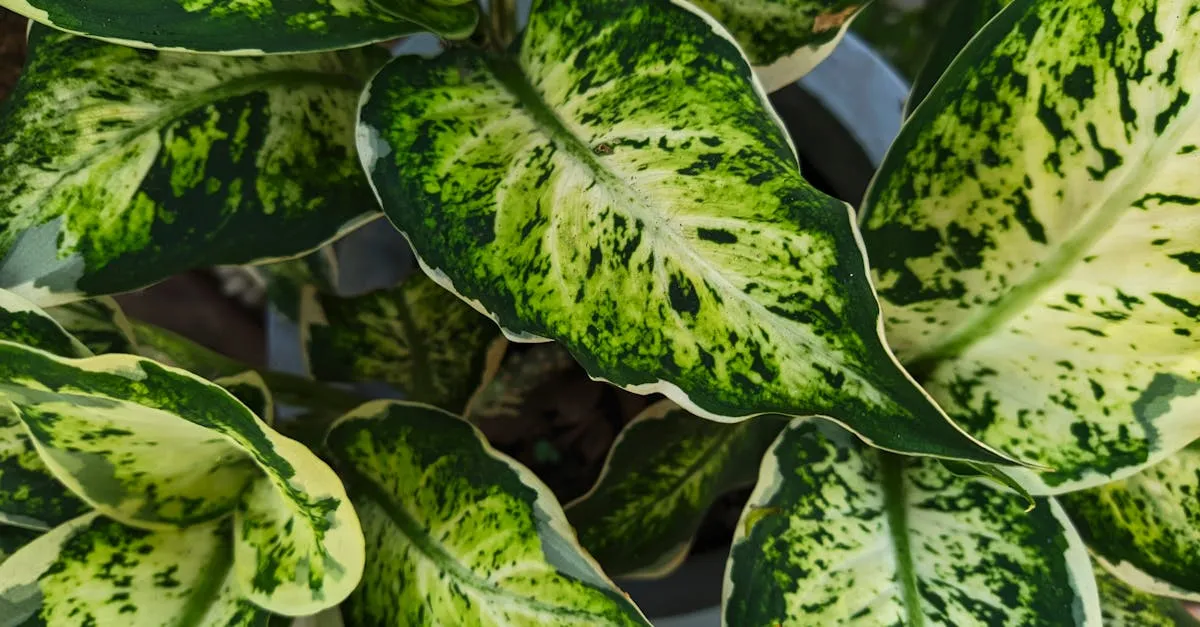
Dieffenbachia, commonly sold as dumb cane, is one of the easiest large-leaved houseplants to grow indoors, with bold cream-and-green foliage that fills a corner quickly. Good dieffenbachia care comes down to three things: medium to bright indirect light, water only when the top inch or two (3 to 5 cm) of soil dry out, and a willingness to cut a tall stem back hard when it goes leggy. There is one important catch, and it is the reason for the unsettling common name: the sap is genuinely harmful if chewed, so where you put the plant matters as much as how you water it.
Why it is called dumb cane
Every part of a dieffenbachia contains insoluble calcium oxalate crystals and a proteolytic enzyme that amplifies the reaction. When a child or pet bites into a leaf or stem, those microscopic needle-shaped crystals embed in the soft tissue of the mouth, triggering intense burning. The mouth, lips, tongue, and throat swell, drooling starts, and swallowing becomes difficult. In humans, this temporary loss of speech is where the name “dumb cane” comes from. Serious systemic poisoning is rare, but the pain can last several hours.
The ASPCA lists dieffenbachia as toxic to dogs and cats, with clinical signs that include oral irritation, intense burning and irritation of the mouth, tongue and lips, excessive drooling, vomiting, and difficulty swallowing. Keep this plant well out of reach of pets and small children. If a pet does chew any part of the plant, contact your vet or the ASPCA Poison Control line (888-426-4435) straight away. If you share your home with curious cats or dogs, consider one of the pet-safe houseplants instead. The same toxicity concern applies to toddlers, so if you have babies or young children at home, read the guide to houseplants and child safety before deciding where to position this plant.
When you prune or repot, wear gloves and wash your hands thoroughly afterwards. Getting sap in your eyes or on broken skin causes the same burning reaction. Treat the sap with the same caution you would a strong cleaning product: harmless to look at, painful to touch in the wrong place.
Light requirements for healthy variegation
Medium to bright indirect light keeps the cream-and-green patterning crisp and growth compact. An east-facing windowsill or a position 3 feet (1 m) or so back from a south- or west-facing window is ideal. Dieffenbachia tolerates lower light better than most variegated plants, but in dim conditions the pale markings fade, the stems stretch toward the nearest light source, and new leaves emerge smaller and less distinctly patterned.
Direct sun through glass scorches the leaves, leaving pale or papery patches that do not recover. If your space is genuinely dark, a grow light placed 12 to 18 inches (30 to 45 cm) above the canopy for 12 to 14 hours a day solves the problem without any compromise to leaf quality.
Watering correctly
Water when the top 1 to 1 1/2 inches (3 to 4 cm) of compost feel dry to the touch. Push a finger into the soil rather than judging by the surface color alone, especially in a heavy pot where the surface can look dry while the root zone stays wet. When you do water, do it thoroughly: pour until water runs freely from the drainage holes, then tip away any that collects in the saucer. Sitting in pooled water is the fastest route to root rot.
In the darker months growth slows noticeably, and the plant needs far less water. Extend the interval between waterings, let the soil dry half an inch (1 cm) or two deeper than you would in summer, and resist the urge to compensate for slower growth with more frequent watering. A slightly dry dieffenbachia bounces back from a missed watering within hours; a waterlogged one rarely does.
Humidity and temperature
Dieffenbachia originates from tropical forest floors, so it prefers warm, reasonably humid conditions. Average room humidity of 40 to 60 percent is adequate, though very dry air (common in centrally heated rooms in winter) browns leaf edges and tips.
To raise humidity without a humidifier, group plants together or sit the pot on a tray of damp pebbles with the base clear of the water. Misting the leaves offers only brief relief and can encourage fungal spots if water sits on the foliage overnight.
Keep the plant above 60°F (16°C) and away from cold drafts, air-conditioning vents, and radiators. Temperatures below 55°F (12°C) cause the stems to soften and collapse, and the damage is not reversible.
Feeding through the growing season
During spring and summer, feed every four to six weeks with a balanced liquid fertilizer at half strength. Full-strength feeds applied too often cause salt build-up in the compost, browning the leaf tips and damaging roots. Stop feeding entirely from October through to late February; excess nutrients in slowed-growth soil do more harm than good.
Pruning a leggy stem
Dieffenbachia naturally sheds its lower leaves as it matures, leaving a bare cane with a cluster of leaves at the top. This is normal behavior, not a sign of poor health, but the silhouette does become awkward once the bare section exceeds 8 to 12 inches (20 to 30 cm).
The remedy is to cut the stem back hard. Using clean, sharp secateurs, cut the bare cane down to 4 to 6 inches (10 to 15 cm) above the compost. Wear gloves, avoid getting sap on your skin, and wipe the blades afterwards. New lateral shoots emerge from nodes on the remaining stem within three to six weeks. Spring and early summer are the best times to prune, when warmth and light are available to push fresh growth.
Propagating from cuttings
Do not discard the sections you cut away during pruning. Dieffenbachia propagates readily from stem cuttings, and a single bare cane can give you several new plants.
Cut the stem into sections 2 to 3 inches (5 to 8 cm) long, each with at least one node (the slight ridge where a leaf was attached). Lay sections horizontally on barely damp compost or perlite so the node contacts the medium. Alternatively, stand the leafy tip cutting upright in a glass of water until roots form, then pot it on.
Keep cuttings warm (above 70°F (20°C)), out of direct sun, and covered loosely with a clear plastic bag to retain humidity. Roots and new shoots typically appear within three to eight weeks.
Common problems and what causes them
Yellow leaves are almost always a watering issue. Yellowing at the base of older leaves usually means overwatering or waterlogged roots; yellowing across the whole plant or in newer growth points to underwatering or sudden cold.
Brown leaf tips and edges point to very dry air, fluoride or salt build-up from tap water or overfeeding, or cold drafts. Switch to filtered or rainwater, flush the compost every few months to leach accumulated salts, and move the plant away from any ventilation source.
Drooping stems that feel soft at the base signal root rot. Remove the plant from its pot, cut away brown or mushy roots, dust the cuts with cinnamon or activated charcoal, and repot into fresh well-draining compost. The prognosis is good if healthy white roots remain.
Pale or washed-out variegation means insufficient light. Move the plant closer to the window gradually over a week or two to avoid sunburn shock.
Mealybugs and spider mites occasionally take hold on dry indoor specimens. Wipe stems and leaf undersides with a damp cloth, then follow up with an insecticidal soap or neem oil spray, repeating every seven days for three to four weeks.
Keeping dieffenbachia thriving long term
The mistake that ends most dieffenbachias is too much winter water, so let the compost dry further between drinks once growth slows in autumn. Aim for upright, firm canes and vivid cream-and-green patterning: those two signs together mean the roots are healthy and the light is adequate. The moment a stem starts to lean or stretch toward the window, move the plant somewhere brighter rather than waiting. Settle placement well out of reach of children and pets first, and everything else in this plant’s care quickly becomes routine.
Where to go next
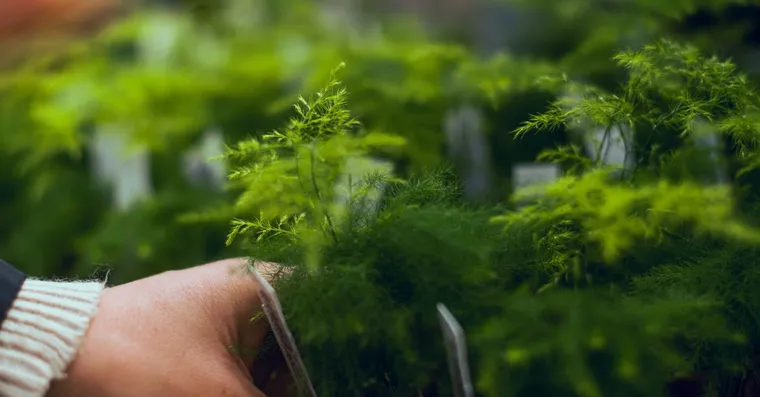
Asparagus Fern Care: Not a Fern, and It Has Thorns
Asparagus fern is not a fern, it is toxic to cats and dogs, and mature stems carry spines. Here is how to grow it and what to know first.
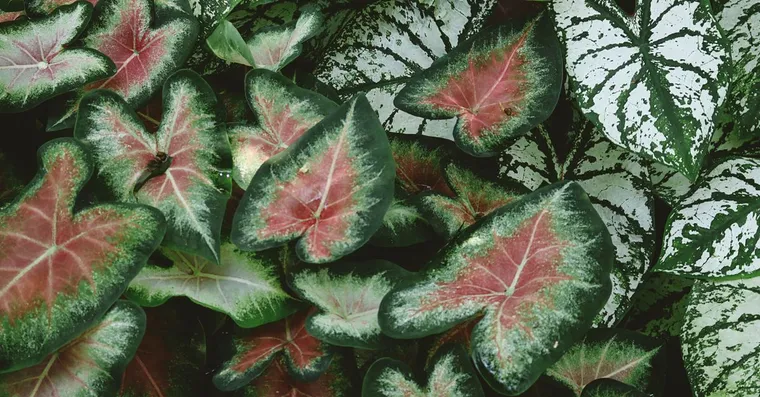
Caladium Care: Bright Leaves, Winter Dormancy, and Toxic Sap
Caladiums die back every winter and that is normal, not failure. Here is how to grow the tubers indoors and why they need care around pets.
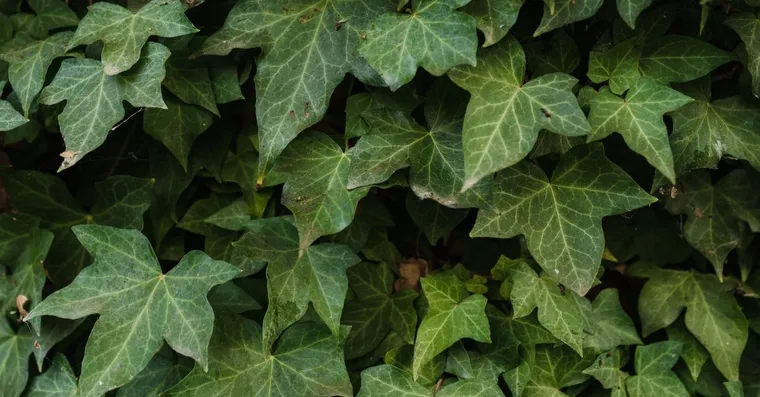
English Ivy Indoor Care: Light, Water, and Keeping It Off the Cat
English ivy grows fast indoors and is toxic to cats and dogs. Here is how to keep it healthy, keep it contained, and decide whether to keep it at all.
Not sure what plant you have? Identify it from a photo and we will point you at its care guide.
Frequently asked questions
How do you care for a dumb cane plant?
Give it medium to bright indirect light, water only when the top 3 to 5 cm of soil dries out, and keep it above 16C away from cold draughts. Dumb cane grows quickly and goes leggy with age, so cut a tall stem back hard in spring and it will resprout from lower down. Wear gloves when you cut it, because the sap is an irritant.
Why is it called dumb cane?
Because the sap can temporarily rob you of speech. Every part of the plant carries insoluble calcium oxalate crystals plus an enzyme that worsens the reaction, so biting into a leaf or stem embeds microscopic needles in the soft tissue of the mouth. The mouth, lips, and throat swell and swallowing becomes painful, which is where the old name comes from.
Is dumb cane toxic to cats and dogs?
Yes. The ASPCA lists dieffenbachia as toxic to dogs and cats, with oral irritation, intense burning of the mouth, tongue and lips, excessive drooling, vomiting, and difficulty swallowing. If a pet chews it, call your vet or the ASPCA Poison Control line on 888-426-4435.
Why are my dumb cane leaves turning yellow?
Usually overwatering. Dieffenbachia hates sitting in wet soil, and soggy roots show up first as yellowing lower leaves. Check that the pot drains freely and let the top few centimetres dry before watering again. Lower leaves also yellow and drop naturally as the stem gains height, which is normal ageing rather than a problem.