English Ivy Indoor Care: Light, Water, and Keeping It Off the Cat
English ivy grows fast indoors and is toxic to cats and dogs. Here is how to keep it healthy, keep it contained, and decide whether to keep it at all.
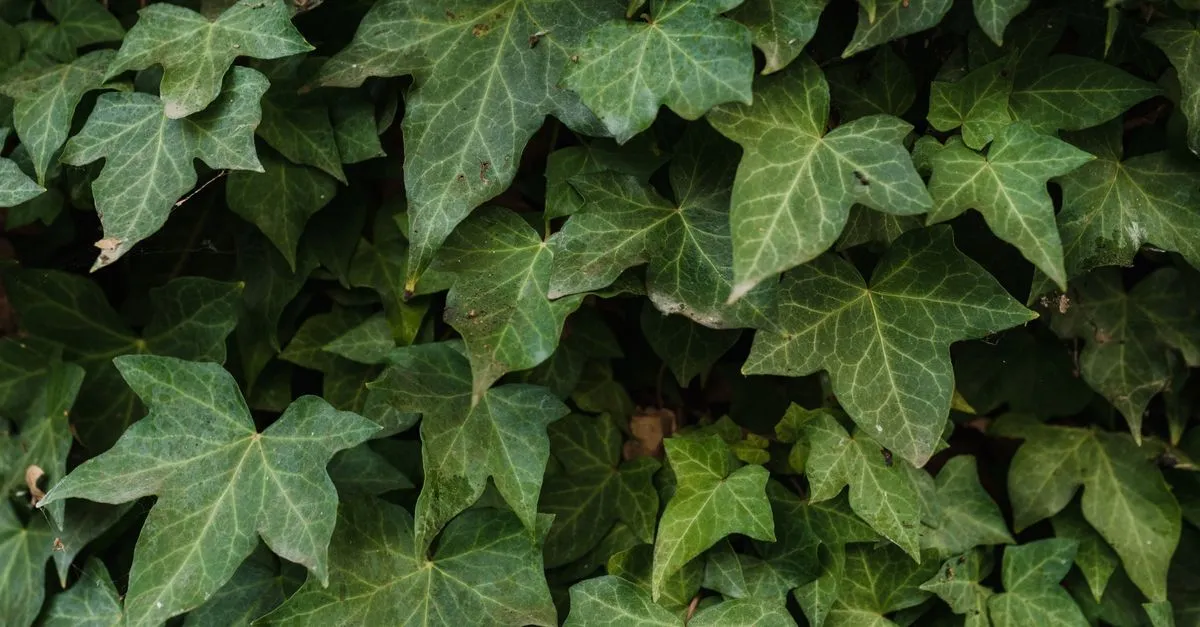
English ivy is sold everywhere and grown badly in most homes, because it wants cooler, damper air than a heated room gives it, and spider mites find it before you do. It is also toxic to dogs, cats and horses, and the leaves are the worse part, not the berries. English ivy indoor care comes down to two jobs: keep the air cool and humid enough that mites never settle, and keep the plant where a pet cannot reach it, which is harder than a shelf.
The first rule of English ivy indoor care: watch for spider mites
Indoors, the biggest killer of English ivy is not light or water but spider mites, and they arrive with the heating. Warm dry air suits them, and the small overlapping leaves hide them until the damage shows: fine pale stippling, a dusty bronzed look, then webbing in the leaf joints. Prevention beats cure, because the leaves are too small and too many to clean once mites are established.
Humidity. Keep the air around the plant moist: a cool bathroom, a pebble tray, grouping with other plants, or a humidifier. Dry air does not kill ivy, but it invites the thing that does.
Inspection. Once a week, turn a few stems over and check the undersides against the light, or tap a stem over white paper and watch for moving specks. A dozen mites is a rinse in the shower; ten thousand is a long fight.
If you find them, isolate the plant and follow spider mites on houseplants for treatment.
Light: bright indirect, and more for variegated forms
English ivy does best in bright indirect light and takes some direct sun, especially morning or winter sun. It tolerates lower light, but it does not thrive there: stems stretch, gaps between leaves widen, and the plant thins out.
Variegated forms lose their pattern in low light: new leaves come in plain green and stay that way. If you bought it for the cream edges, give it the brightest spot short of a hot south window, and move it when new growth starts coming in green.
Watering, and why it wants a cool room
Water. Evenly moist, never sitting wet. Water when the top two or three centimetres have dried, water until it runs from the drainage holes, and empty the saucer. Ivy wilts when bone dry and usually recovers; it rots when kept soggy and does not. Water less in winter.
Temperature. This is where ivy differs from most houseplants. It is a temperate woodland plant and prefers cool conditions, roughly 10 to 18°C. A warm room beside a radiator is close to the worst place for it: dry air, happy mites, weak leggy growth. An unheated porch, a stairwell or a cool bathroom suits it far better. Keep it from frost, but do not warm it for its own sake.
Pruning and training: it goes stringy unless you cut it
English ivy grows fast and will trail off a shelf, climb a support, or wander along a windowsill. Left alone it goes long and sparse, a few leafy tips on a lot of bare stem.
Cut it back. Pinch out growing tips through the season and cut long stems back by a third to a half in spring. That forces branching lower down, which is what keeps the plant dense. It is yearly maintenance, not a rescue.
Training. To climb, tie young stems loosely to a trellis; indoors they rarely cling on their own. To trail, keep trimming the ends so the top stays full.
Gloves. The sap causes contact dermatitis in some people, usually an itchy rash on the hands and forearms. Wear gloves to prune and wash your hands afterwards.
Toxicity: the leaves are worse than the berries
The ASPCA lists Hedera helix as toxic to dogs, cats and horses. The toxic principle is triterpenoid saponins, including hederagenin, and the clinical signs are vomiting, abdominal pain, hypersalivation and diarrhoea. Most people assume the berries are the danger. It is the other way round: the ASPCA notes the foliage is more toxic than the berries, and an indoor ivy rarely fruits, so the leaves are the whole problem.
A trailing ivy on a shelf is not out of a cat’s reach; the trailing part is the bit the cat gets.
This is the plant where hanging it up genuinely does not help. Cats reach shelves, stems hang down to where they can be batted and chewed, and a hanging basket drops leaves and cut ends onto the floor. If your cat chews plants, the honest options are a room the cat never enters or a different plant; pet-safe houseplants lists trailing alternatives. If a pet eats ivy, call your vet or an animal poison line.
Cool air, weekly checks, and a room the cat does not use
English ivy does well indoors once you stop treating it like a tropical plant: cool air, steady moisture, bright light, a yearly cut back, and a weekly look under the leaves. The hard part is placement, not care, so decide where it lives before you buy, and check under the leaves the first week the heating comes on.
Where to go next
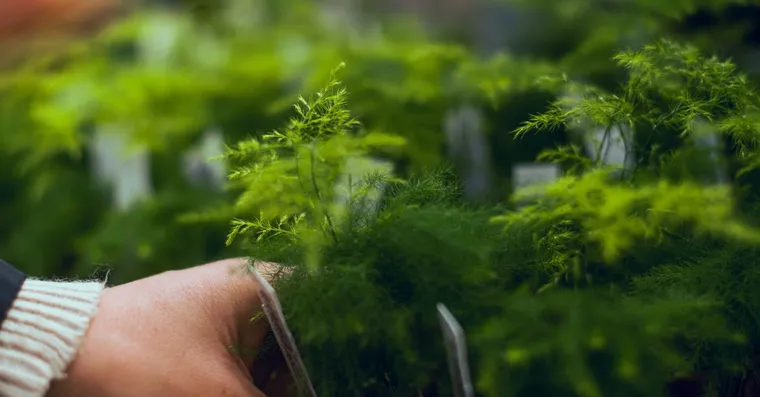
Asparagus Fern Care: Not a Fern, and It Has Thorns
Asparagus fern is not a fern, it is toxic to cats and dogs, and mature stems carry spines. Here is how to grow it and what to know first.
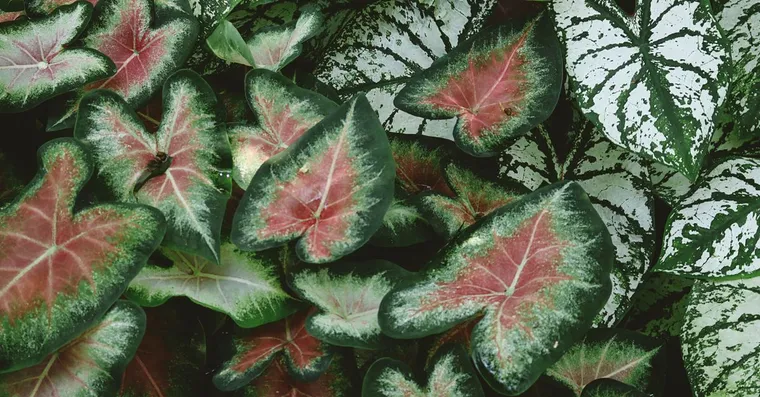
Caladium Care: Bright Leaves, Winter Dormancy, and Toxic Sap
Caladiums die back every winter and that is normal, not failure. Here is how to grow the tubers indoors and why they need care around pets.
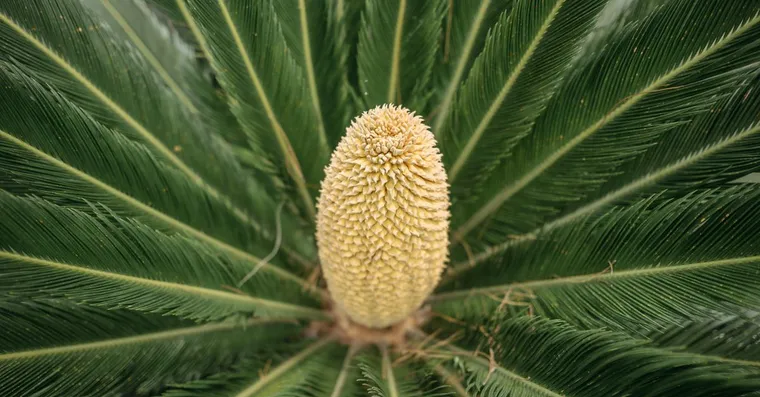
Sago Palm Care, and the Poisoning Risk You Must Know First
A sago palm is not a palm and it is the most dangerous plant commonly sold as a houseplant. Care is easy; the safety decision is the hard part.
Not sure what plant you have? Identify it from a photo and we will point you at its care guide.